
Business
FG extends 2024 budget implementation to June 2025

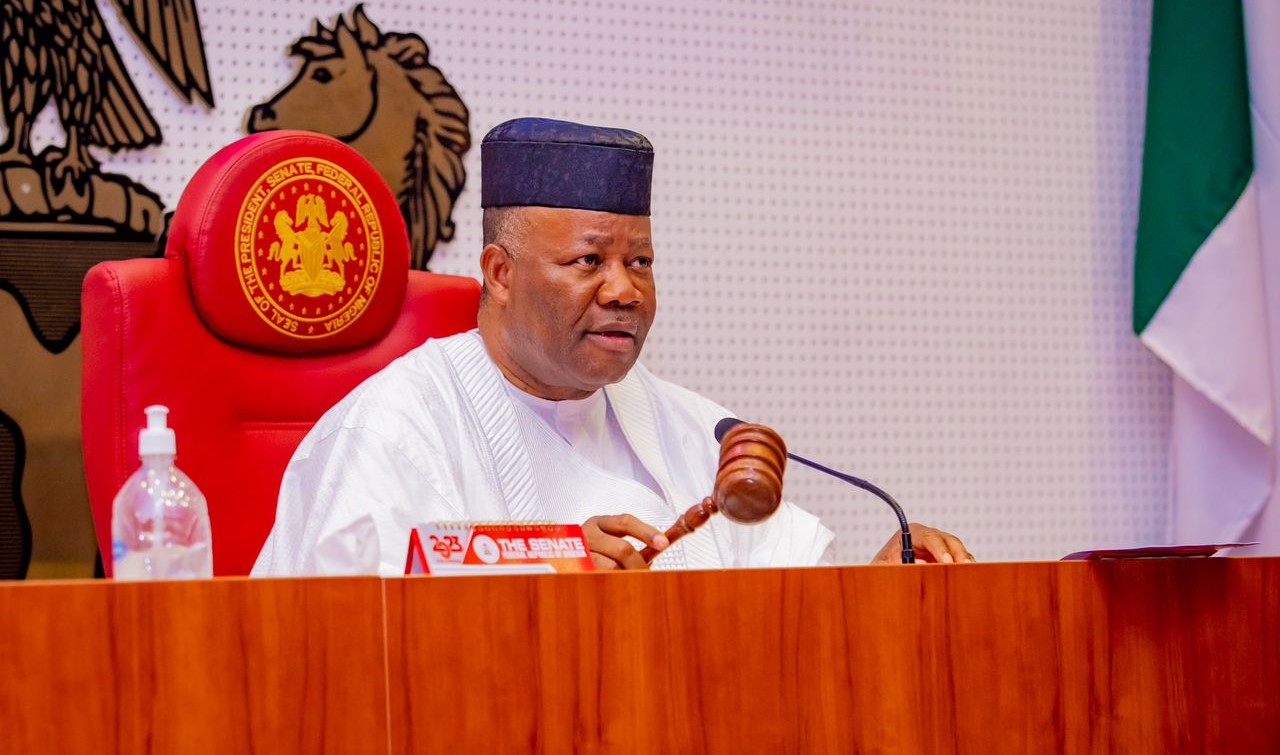
The President of the Senate, Godswill Akpabio, has announced that the lifespan of Nigeria’s 2024 budget will be extended to June 30, 2025, to ensure full implementation of its capital components.
Akpabio made this revelation during a joint session of the National Assembly on Wednesday, highlighting the importance of sustaining the momentum of the budget’s achievements.
According to Akpabio, the extension process is already underway, with enabling legislation passed by the National Assembly to facilitate the initiative.
This decision, he noted, underscores the Assembly’s commitment to enhancing the performance of the budget for greater national development.
“Given these great achievements, we have deemed it necessary to extend the life of the 2024 budget to June 30, 2025,” Akpabio said.
“The enabling law for this extension has already been put in place by this patriotic Assembly, as a testament to our appreciation for the great performance of the budget, ensuring we build upon your momentum.”
The extension aims to address challenges related to the execution of capital projects, which often face delays due to administrative bottlenecks and late budget approval.
READ ALSO: Tinubu postpones 2025 budget presentation to National Assembly
By extending the timeline, the government seeks to ensure that all planned projects under the 2024 fiscal year are completed without interruptions, thereby boosting infrastructure development and economic growth.
Economic analysts have welcomed the move, describing it as a strategic decision to ensure the effective utilization of public funds and the timely completion of critical projects.
However, they cautioned that the government must improve monitoring mechanisms to prevent wastage and ensure accountability during the extended period.
The extension reflects Nigeria’s ongoing efforts to refine its fiscal policy framework, with a focus on aligning budget implementation with the country’s developmental goals.
The announcement has sparked discussions among stakeholders on how best to leverage the extended timeline to maximize the impact of the 2024 budget on key sectors such as health, education, and infrastructure.
This adjustment to the budget cycle follows broader reforms aimed at stabilizing Nigeria’s economic trajectory amidst global and domestic challenges.
Stakeholders have called for continuous engagement between the executive and legislative arms to ensure the seamless execution of the budget.


-

 Featured5 days ago
Nigeria’s youth unemployment paradox: Graduates struggle as millions survive in informal jobs
-

 Business5 days ago
Nigerian Banks earn N521.8bn from E-banking, card fees in nine months
-

 Energy5 days ago
Nigeria’s power crisis deepens as ₦639bn unpaid gas debt threatens electricity supply
-

 Latest5 days ago
Dalung claims ‘message from Buhari’s grave’ urges Nigerians to vote Atiku in 2027
-
 Latest1 week ago
2027 elections: Former INEC commissioner warns against ‘Rig and Die’ slogan, says violence undemocratic
-
 Featured4 days ago
Tinubu’s Renewed Hope: Reforms, hardship and the unanswered question of a second term
-

 Business1 week ago
GTCO fashion weekend: As fashion evolves, Nigerian men are rewriting the rules of style
-
 Featured4 days ago
The cost of Renewed Hope: How Nigeria’s economic reforms are reshaping everyday family life