
Business
CBN’s fresh interest rate hike sparks debate amid soaring inflation

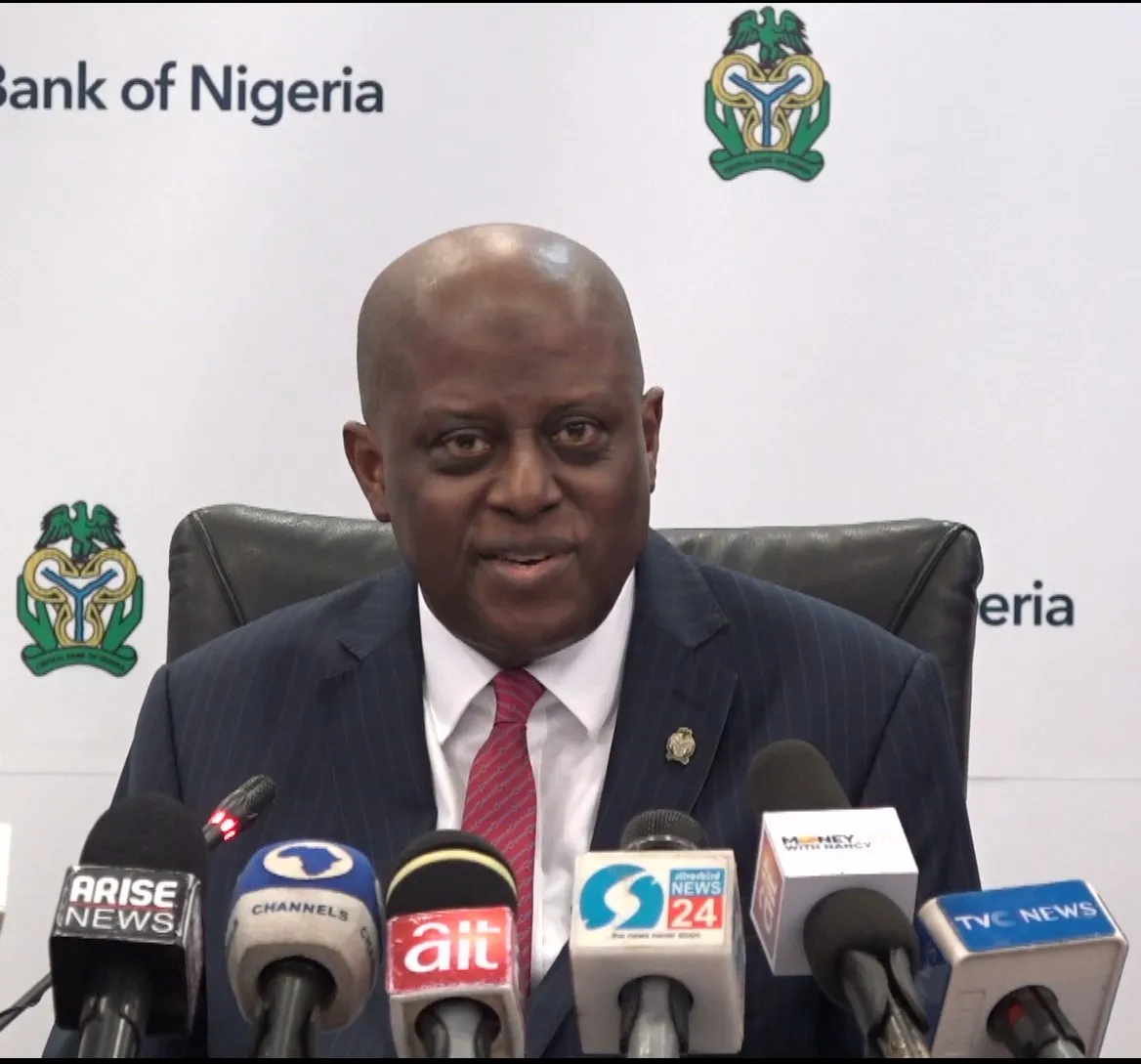
The Central Bank of Nigeria (CBN) has raised the Monetary Policy Rate (MPR) by 25 basis points, bringing it to 27.50%—a move aimed at curbing inflationary pressures that surged to 33.88% in October 2024.
Governor Yemi Cardoso, who chairs the Monetary Policy Committee (MPC), announced the decision following a two-day meeting in Abuja.
This adjustment marks the sixth rate hike under Cardoso’s leadership, representing a cumulative increase of over 800 basis points since he assumed office.
The central bank’s aggressive tightening reflects its determination to tackle persistent inflation challenges, driven by rising food prices, currency volatility, and structural inefficiencies.
Governor Cardoso explained the rationale, stating, “The committee remains deeply concerned about persistent price pressures, which adversely impact the income and welfare of citizens. This decision aligns with our commitment to stabilize the economy and safeguard purchasing power.”
Nigeria’s inflation rate, at a multi-year high of 33.88%, continues to squeeze household incomes and increase the cost of living. The October rise reflects a combination of elevated food prices and core inflation, aggravated by currency depreciation and supply chain disruptions.
Economic analysts are divided on the implications of the CBN’s latest rate hike. While some commend the move as necessary to address inflation, others highlight the risks it poses to economic growth and credit accessibility.
Dr. Chika Okeke, a financial analyst, noted, “This hike demonstrates the CBN’s resolve to combat inflation.
Stabilizing the naira and addressing currency-induced price pressures will be key to ensuring this policy achieves its intended impact.”
Critics of the Policy: Dr. Akin Adebayo, an economist at Lagos Business School, warned, “Higher interest rates could dampen economic growth by making credit more expensive for businesses and consumers. Without addressing structural inefficiencies, these measures may only provide short-term relief.”
Concerns persist about the limited effectiveness of rate hikes in an economy dominated by informal activities and supply-side constraints.
The cost of borrowing has already surged, affecting small businesses and households, while inflationary pressures remain stubborn due to high import costs and exchange rate volatility.
“The government must complement monetary policy with structural reforms in agriculture, infrastructure, and manufacturing to address the root causes of inflation,” Dr. Adebayo added.
Financial markets largely anticipated the CBN’s decision, though the limited impact of previous rate hikes has raised questions about their efficacy.
The naira’s instability remains a major hurdle, with currency depreciation inflating import costs and undermining purchasing power.
Looking ahead, experts suggest that further rate hikes might be unavoidable if inflation persists.
However, they emphasize the importance of adopting a multi-pronged approach, including fiscal measures and targeted investments in key sectors, to achieve sustainable economic stability.


-
 Latest6 days ago
Israel marks 3 years since October 7 Hamas attack amid Gaza strikes, election debate
-

 Energy5 days ago
Fuel Battle: Dangote, marketers and government clash over petrol imports
-

 Energy7 days ago
Petrol, diesel prices rise 86% in 2026 as costs hit fresh highs
-

 Energy1 week ago
Has Iran lost control of the Strait of Hormuz? Oil flows rebound as war disruptions persist
-

 Football6 days ago
Nigeria’s World Cup exit under spotlight as FIFA’s DR Congo files emerge
-

 Latest6 days ago
US Court set to rule on release of FBI, DEA records on Tinubu
-

 Business6 days ago
Nigerian investors at a crossroads as fixed-income yields slide
-

 Business7 days ago
LoveWorld Trade and Investment Forum to Convene Business Leaders in Accra