
Business
China fires back with 34% tariffs on all imports from U.S

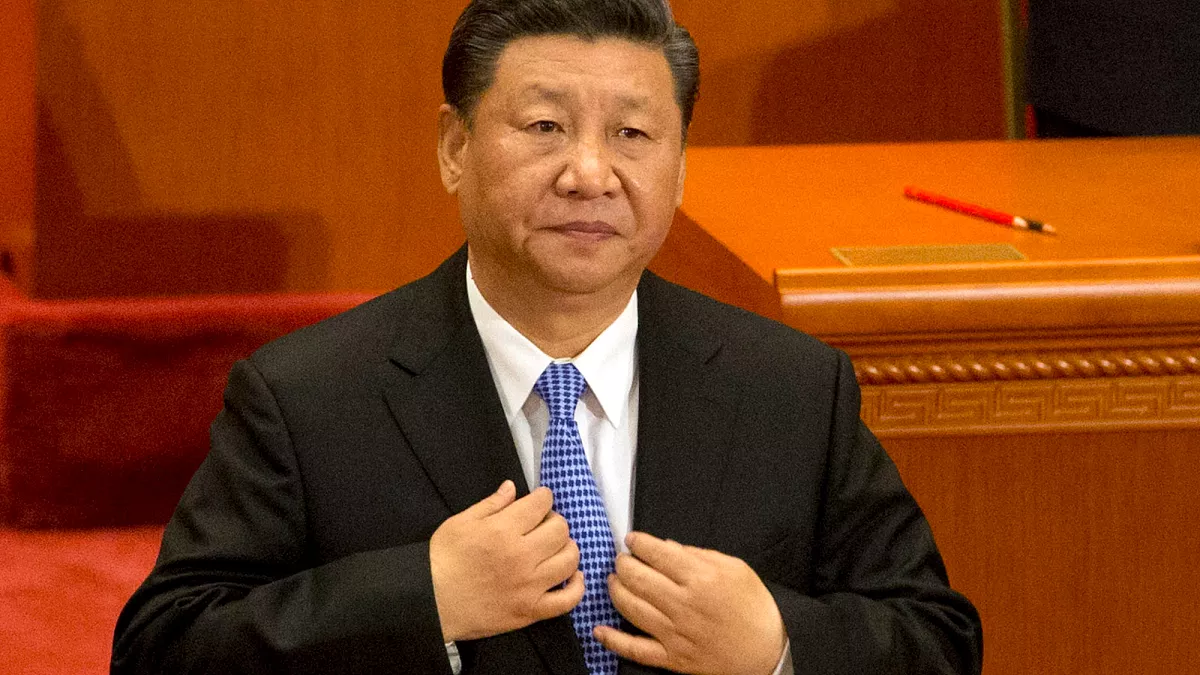
In a dramatic escalation of tensions between the world’s two largest economies, China has imposed sweeping 34% tariffs on all U.S. imports, matching the latest round of duties announced by President Donald Trump.
The retaliatory measure, set to take effect on April 10 — just one day after Washington’s own tariffs kick in — marks a significant step toward a full-scale trade war that threatens to destabilize global markets and reshape international commerce.
The tit-for-tat move follows Trump’s decision to raise tariffs on a broad range of Chinese goods, bringing the total levies on exports from Beijing to over 60%. That figure now exceeds the worst-case scenarios modeled by Chinese economists during Trump’s first presidential campaign.
The Chinese Ministry of Commerce condemned the U.S. tariffs in a strongly worded statement, calling them “a typical unilateral bullying move” that violates World Trade Organization rules and “seriously damages the legitimate rights and interests of China.” Beijing’s response, the ministry said, was a necessary countermeasure to defend its economic sovereignty.
Global financial markets reacted swiftly and sharply to the news. On Friday, S&P 500 futures fell 2%, while Europe’s Stoxx 600 index plummeted 4.4%. London’s FTSE 100 slid 2.6%, and Germany’s DAX suffered an even steeper 4.8% drop.
READ ALSO: Oil prices plunge after Trump tariff shock, OPEC + to raise outputInvestors scrambled for safer assets, with U.S. Treasury yields falling by 0.15 percentage points to dip below 3.9% — their lowest level since October 2024.
Wall Street was already reeling: on Thursday alone, approximately $2.5 trillion in market value was erased, wiping out all of the dollar’s gains since Trump’s return to office.
Analysts warn that the widening trade war could severely disrupt global supply chains, particularly in technology, manufacturing, and consumer goods sectors that rely heavily on cross-border trade with China.
The timing is especially precarious for Chinese President Xi Jinping, who has been banking on export-driven growth to stabilize China’s economy amid a property sector downturn and growing deflationary pressure.
The initial 20% U.S. tariffs imposed earlier this year had already dealt a blow to Chinese exporters. The new 34% tariffs now threaten to exacerbate those challenges and may further strain domestic economic policy.
READ ALSO: U.S.-China trade war escalates as Beijing vows retaliation against Trump’s tariffs
President Trump’s aggressive tariff strategy, which includes similar duties on other major trading partners, has become a defining element of his economic agenda.
While his administration argues that the moves are necessary to protect American industries and reduce the trade deficit, critics warn that such measures are likely to backfire — triggering inflation, slowing growth, and alienating key allies.
As both Beijing and Washington dig in for what appears to be a prolonged trade confrontation, policymakers around the globe are bracing for the ripple effects. Businesses with deep ties to China face mounting uncertainty and the global economy — already under pressure from slowing growth and volatile energy prices — could suffer long-term consequences.
With diplomatic talks stalled and neither side showing signs of backing down, the path to a resolution remains unclear.
What is certain, however, is that the escalating tariff war is redrawing the contours of global trade and putting unprecedented strain on the already fragile fabric of economic interdependence.


-

 Latest6 days ago
US Immigration fees rise from October 16 as USCIS announces new charges
-
 Latest1 day ago
Israel marks 3 years since October 7 Hamas attack amid Gaza strikes, election debate
-

 Business6 days ago
Nigeria’s $55bn reserves raise fresh questions over naira value
-

 Health5 days ago
Florida sues Pfizer over deceptive COVID-19 vaccine marketing
-

 Business1 week ago
Tuoyo Erikowa wins digital marketing personality of the Year at 2026 EDGE awards
-

 Crime5 days ago
From camp to captivity: How kidnappers now target NYSC Corps members on highways
-

 Featured6 days ago
2027: Can Nigeria’s opposition still unite behind a single presidential candidate?
-

 Crime5 days ago
Fulani Militia leader linked to Christian killings arrested in Plateau