
Latest
Company to pay $4.25m after mass firings over COVID-19 vaccine mandate

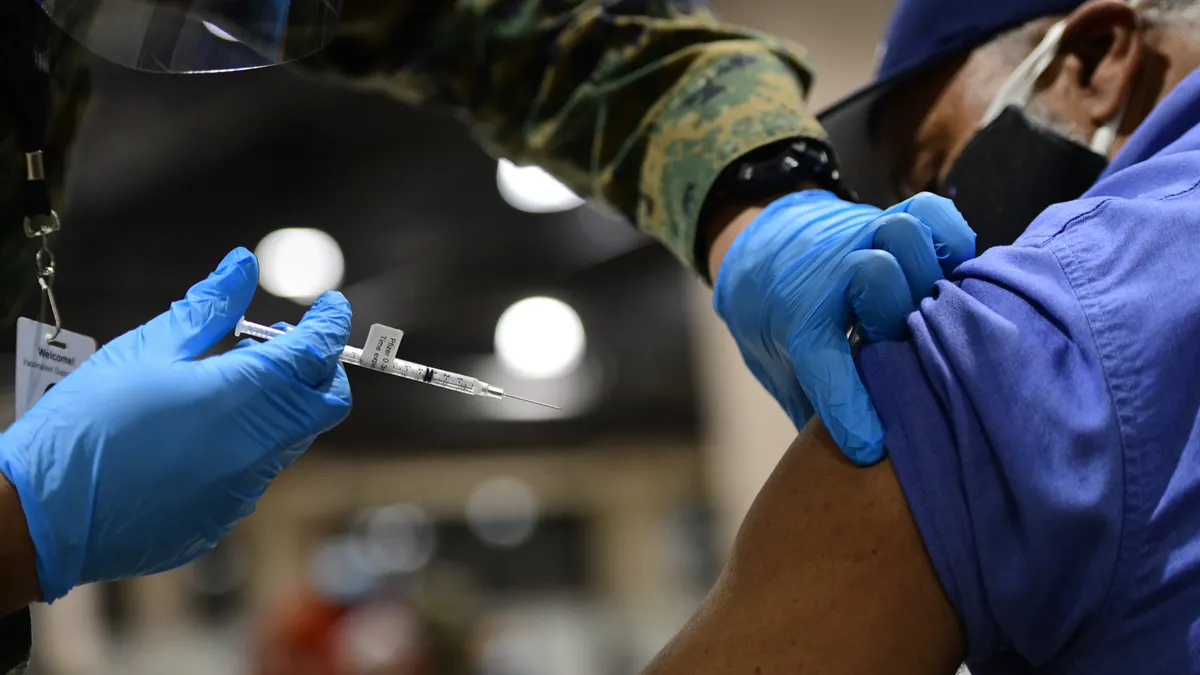
An Oklahoma-based manufacturing company will pay $4.25 million to more than 40 former employees following findings by U.S. federal officials that it violated anti-discrimination laws when it enforced a COVID-19 vaccine mandate without considering religious or medical exemptions.
The settlement, announced this week by the U.S. Equal Employment Opportunity Commission (EEOC), resolves allegations against A G Equipment Company, a producer of natural gas compressor systems, over its 2021 vaccination policy.
According to the EEOC, the company implemented a sweeping workplace vaccine requirement during the pandemic and informed employees that no exemptions—religious or medical—would be allowed. Workers who later sought accommodations were allegedly denied any meaningful review process.
Federal investigators further stated that on October 15, 2021, the company terminated 43 employees who had not provided proof of vaccination, including individuals who had formally requested religious or medical exemptions.
The EEOC said the company’s actions violated Title VII of the Civil Rights Act of 1964 and the Americans with Disabilities Act (ADA), both of which require employers to consider reasonable accommodations for sincerely held religious beliefs or qualifying medical conditions unless doing so would create undue hardship.
READ ALSO: COVID vaccine-death link study republished in peer-reviewed Journal
Under a three-year consent decree, the company will not only pay the $4.25 million settlement but will also be required to overhaul its workplace policies. These reforms include mandatory training on anti-discrimination laws, revision of its accommodation procedures, and formal notification to employees about their rights to request exemptions based on religion or disability.
EEOC officials emphasized that employers are still required to evaluate accommodation requests individually, even during public health emergencies.
“When these workers asked for a simple religious accommodation, the company didn’t pause to listen or even consider the impact,” said Patrick J. Holman, a trial attorney with the EEOC’s Oklahoma City Area Office. “It fired every one of them outright — without a conversation and without any real inquiry into whether granting an accommodation would have caused the business any hardship at all.”
A G Equipment Company said it had resolved the matter and highlighted steps it has taken to improve its workplace systems and culture, including establishing an employee hotline, strengthening safety programs, and improving internal communication and leadership accountability. The company stated it remains committed to fair treatment of employees and operational progress.
The case was filed in the U.S. District Court for the Northern District of Oklahoma after an investigation and attempted pre-litigation resolution process, officials said.
The ruling adds to a growing number of workplace disputes tied to COVID-19 vaccine mandates and religious accommodation requests, many of which have reached federal courts or resulted in settlements.
Similar high-profile cases have emerged in recent years, including a jury award of more than $12 million to a Catholic employee of Blue Cross Blue Shield of Michigan who was dismissed after seeking a religious exemption from its vaccine mandate.
Legal analysts say the evolving interpretation of workplace accommodation law has been influenced by the U.S. Supreme Court’s 2023 decision in Groff v. DeJoy, which raised the threshold employers must meet to deny religious accommodations, requiring proof of “substantial increased costs” rather than minimal hardship.
Employment law experts note that while the ruling has strengthened protections for employees requesting exemptions, courts are still defining how these standards interact with disability accommodation requirements under the ADA.
Federal officials also pointed to other recent COVID-19-related settlements, including a $15 million conciliation agreement involving a global technology company, as part of a broader trend of enforcement actions.
The EEOC reiterated that employers must engage in an interactive review process when accommodation requests are made and cannot issue blanket denials without assessment.
The settlement underscores ongoing legal and policy debates surrounding workplace vaccine mandates, religious freedoms, and disability rights in the post-pandemic employment landscape.


-

 Latest5 days ago
Full List: Meet the 2026 Nobel Prize winners across six categories
-

 Football5 days ago
Premier League Matchweek 7: Five Fixtures That Could Shape the Weekend
-

 Latest5 days ago
Umahi defends Lagos-Calabar highway route changes amid public outcry
-

 Business4 days ago
Dangote Refinery IPO: 70% Subscription claim meets fourfold demand assertion as investors seek clarity
-
Business4 days ago
Dangote Refinery IPO Extension: Was the 70% subscription report overhyped?
-

 Latest3 days ago
UCTH faces morgue crisis as 50 unclaimed corpses await mass burial
-

 Featured4 days ago
El-Rufai, ADC governorship candidate’s court appearance puts Kaduna opposition politics in focus
-

 Business2 days ago
BREAKING: Nigeria’s Inflation Rate Drops to 14.63% in September