
Covid-19
Coronavirus is airborne – WHO

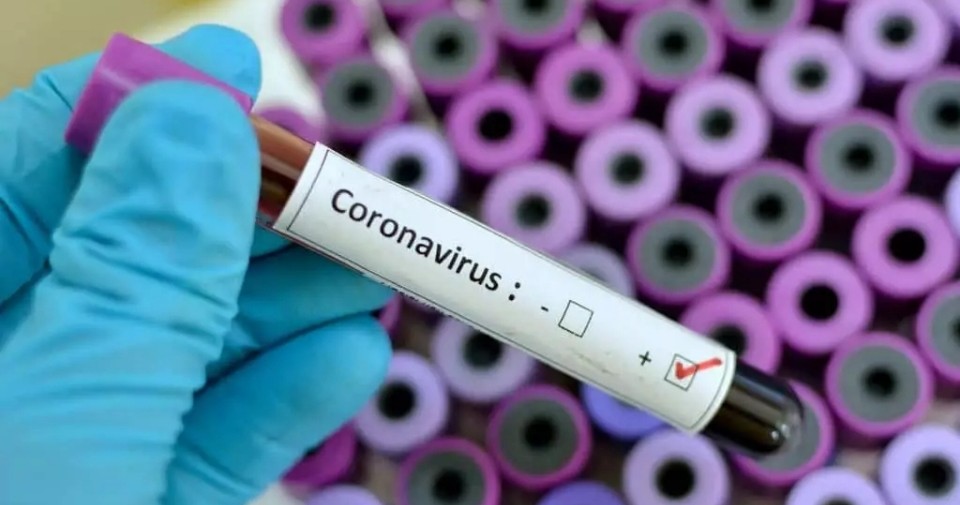
The World Health Organization is considering “airborne precautions” for medical staff after a new study showed the coronavirus can survive in the air in some settings.
The virus is transmitted through droplets, or little bits of liquid, mostly through sneezing or coughing, Dr. Maria Van Kerkhove, head of WHO’s emerging diseases and zoonosis unit, told reporters during a virtual news conference on Monday. “When you do an aerosol-generating procedure like in a medical care facility, you have the possibility to what we call aerosolize these particles, which means they can stay in the air a little bit longer.”
She added: “It’s very important that health-care workers take additional precautions when they’re working on patients and doing those procedures.”
World health officials say the respiratory disease spreads through human-to-human contact, droplets carried through sneezing and coughing as well as germs left on inanimate objects. The coronavirus can go airborne, staying suspended in the air depending on factors such as heat and humidity, they said.
Kerkhove said health officials are aware of several studies in a number of countries looking at the different environmental conditions that COVID-19 can persist. Scientists are specifically looking at how humidity, temperature and ultraviolet lighting affects the disease as well as how long it lives on different surfaces, including steel, she said.
Health officials use the information to make sure WHO’s guidance is appropriate, and “so far … we are confident that the guidance that we have is appropriate,” she added. Health officials recommend medical staff wear so-called N95 masks because they filter out about 95% of all liquid or airborne particles.
“In health-care facilities, we make sure health-care workers use standard droplet precautions with the exception … that they’re doing an aerosol-generating procedure,” she said.
Robert Redfield, director of the U.S. Centers for Disease Control and Prevention, told Congress last month that the agency was aggressively evaluating how long COVID-19 can survive, particularly on surfaces.
Redfield added infections contracted from surfaces rather than through the air could have contributed to the outbreak on the Diamond Princess cruise ship.
Separately, WHO Director-General Dr. Tedros Adhanom Ghebreyesus said Monday that there’s been a rapid escalation of COVID-19 cases over the past week, adding, “we have not seen an urgent enough escalation in testing, isolation and contact tracing, which is the backbone of the response.”
“We have a simple message for all countries: test, test, test. Test every suspected case, if they test positive, isolate them and find out who they have been in contact with two days before they developed symptoms and test those people, too,” Tedros said.
Continue Reading


-

 Featured5 days ago
Inside INEC’s race to prepare for Nigeria’s 2027 elections
-

 Featured5 days ago
2027: APC unveils nationwide campaign timetable, Tinubu to rally in 12 states
-

 Latest1 week ago
UCTH faces morgue crisis as 50 unclaimed corpses await mass burial
-

 Business6 days ago
President Tinubu and the Low Transport Fares Fiasco
-

 Business1 week ago
BREAKING: Nigeria’s Inflation Rate Drops to 14.63% in September
-

 Business5 days ago
Court dismisses ₦170m Trade Fair contract claim, says Zenith Bank was not a party
-

 Business3 days ago
Naira faces exchange rate gap as Dollar hits N1,380 on parallel market
-

 Latest6 days ago
Global excitement builds as Healing Streams Live Services returns October 23