
Business
Devaluing Naira by stealth

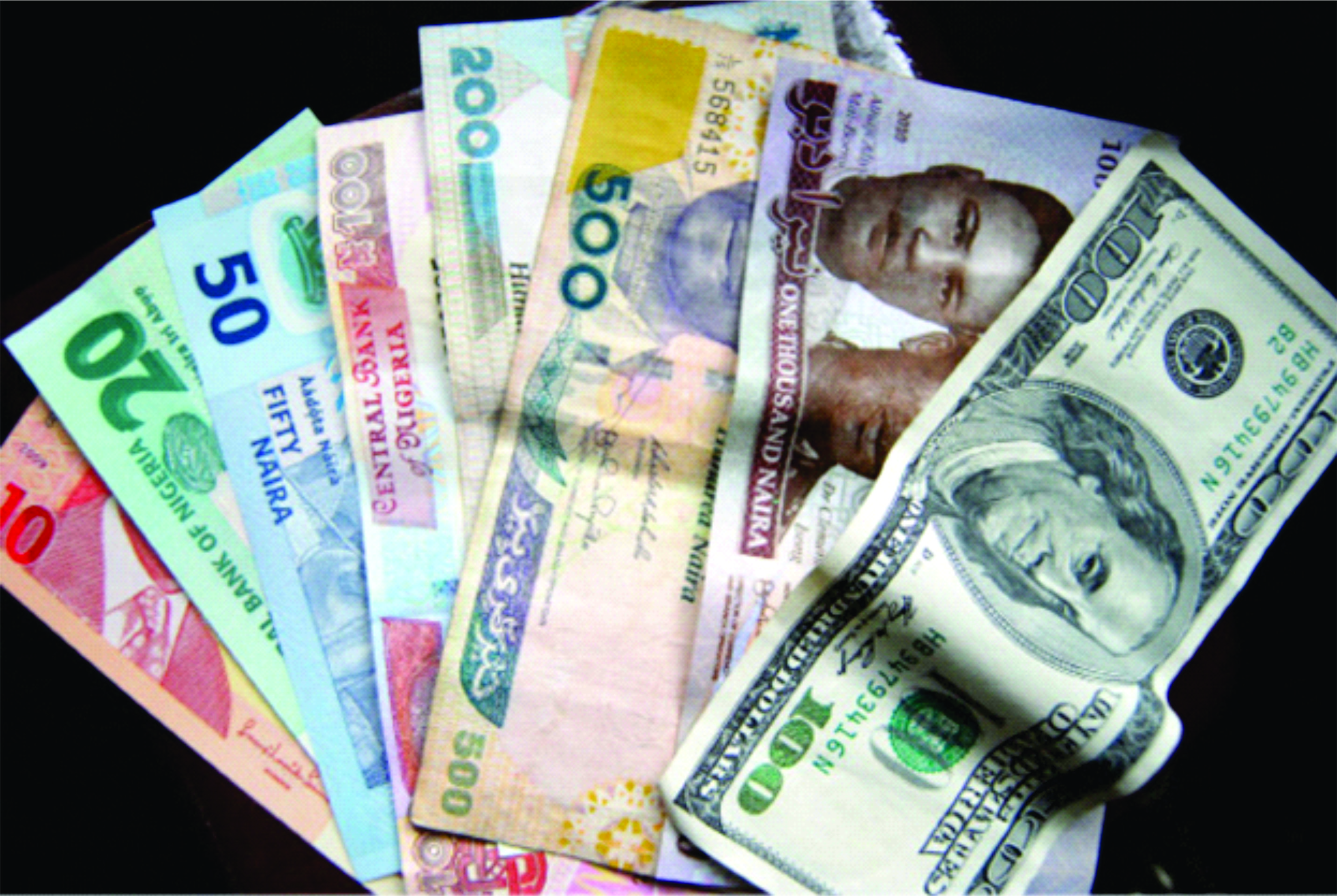
Despite President Muhammadu Buhari’s strong insistence that his administration would not devalue the Naira, the opening of special Investors & Exporters’ (I&E) foreign exchange window amounts to a partial and unofficial devaluation of the Naira.
In April, faced with persistent shortages of foreign exchange in the country, partly due to the drop in the nation’s oil revenue but also the reluctance of investors to bring money into the country, the CBN opened a special Investors’ & Exporters’ (I&E) foreign exchange window where investors and exporters trade currencies at market determined rates.
These rates, known as the Nigerian Autonomous Foreign Exchange Rate Fixing (Nafex), started at N372.89: US$1 when the window was launched and was around N362: US$1 at the end of August, compared with an official rate of N305/US$1.
This devaluation by stealth has allowed the government and the CBN to maintain the illusion that the country has a stable and relatively strong official exchange rate, enabling them to continue channeling cheap dollars to selected users.
Following the introduction of the I&E window the nation’s private banks began quietly trading with each other based on the Nafex rates rather than the official rates.
In early August the FMDQ OTC Securities Exchange, a Lagos based trading platform, asked banks to start quoting Nafex rates, in effect merging that I&E window with the main interbank one and aligning them with the parallel market.
With the dollar now being sold between banks, at the I&E window and bureaux de change and on the black market at around market rates, it is probably the case that most business related foreign exchange transactions in the country are now being conducted at market rates.
ALSO SEE: Naira remains stagnant against Dollar
The official rate is primarily used for government transactions, to dispense cheap dollars to some privileged buyers and as an administrative tool.
By allowing banks to align their rates with market rates the government appears to be moving closer to a single rate for the naira, but a number of factors make it unlikely that the government will completely scrap its official exchange rates.
Nigerian politicians have long seen a strong national currency as an indication of economic virility, whereas weakness is seen as a symptom of political failure.
This view stems at least partly from a mercantilist perspective, in which currency weakness is regarded as evidence of overconsumption of foreign goods and under consumption of locally produced products. Nigeria’s president has long been a staunch opponent of devaluation and a proponent of economic nationalism.
In his first stint in power as a military ruler in the 1980s, Buhari severed ties with the IMF rather than accept the Fund’s call on his government to devalue the naira.
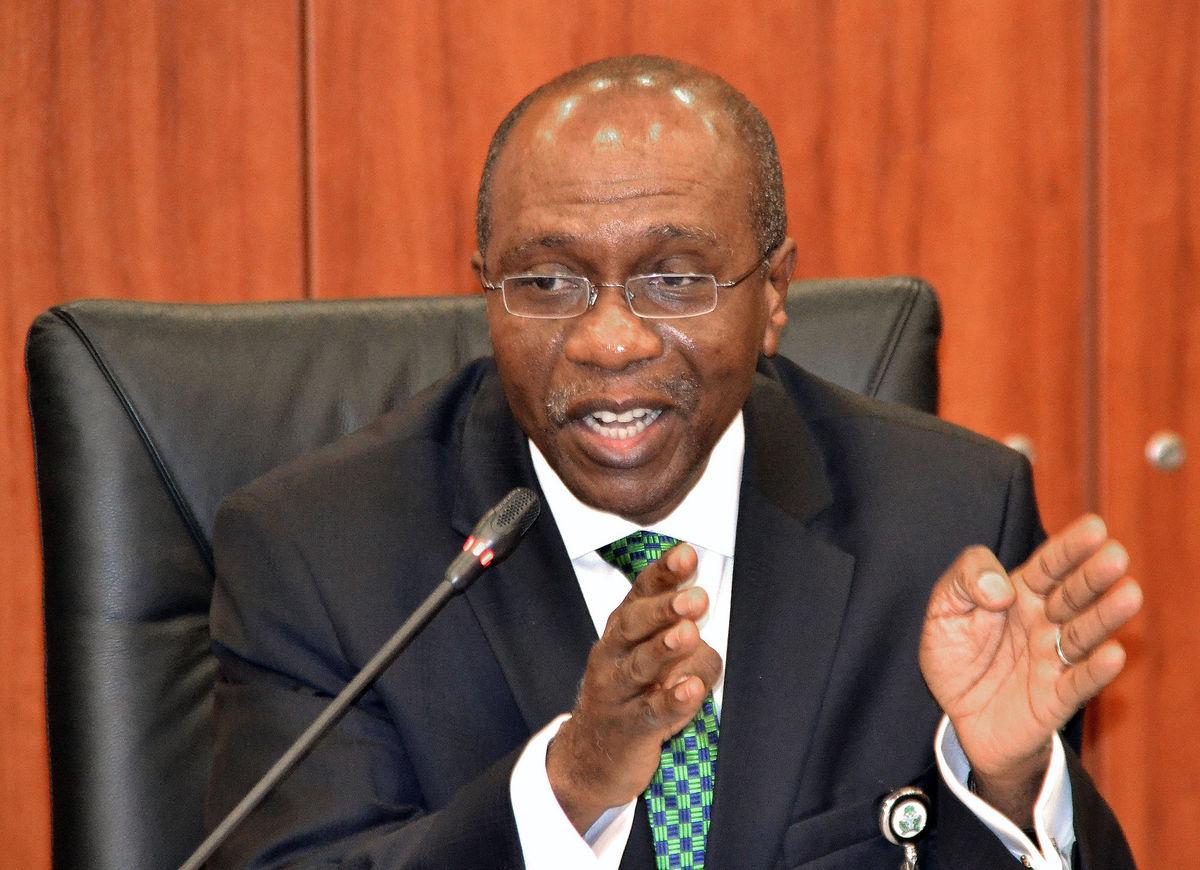
The current CBN governor, Godwin Emefiele, is of a similar mindset to the president. Mr. Emefiele has repeatedly mourned what he sees as Nigeria’s overdependence on imported goods, especially foodstuffs, and urged Nigerians to look inwards and stop importing stuff they can produce locally.







-
 Latest6 days ago
Israel marks 3 years since October 7 Hamas attack amid Gaza strikes, election debate
-

 Energy6 days ago
Fuel Battle: Dangote, marketers and government clash over petrol imports
-
 Energy1 week ago
Petrol, diesel prices rise 86% in 2026 as costs hit fresh highs
-

 Football7 days ago
Nigeria’s World Cup exit under spotlight as FIFA’s DR Congo files emerge
-

 Energy1 week ago
Has Iran lost control of the Strait of Hormuz? Oil flows rebound as war disruptions persist
-

 Latest7 days ago
US Court set to rule on release of FBI, DEA records on Tinubu
-
 Latest19 hours ago
Full List: Meet the 2026 Nobel Prize winners across six categories
-
 Business7 days ago
Nigerian investors at a crossroads as fixed-income yields slide