
Business
Economist warns against total petrol subsidy removal amid refining capacity concerns

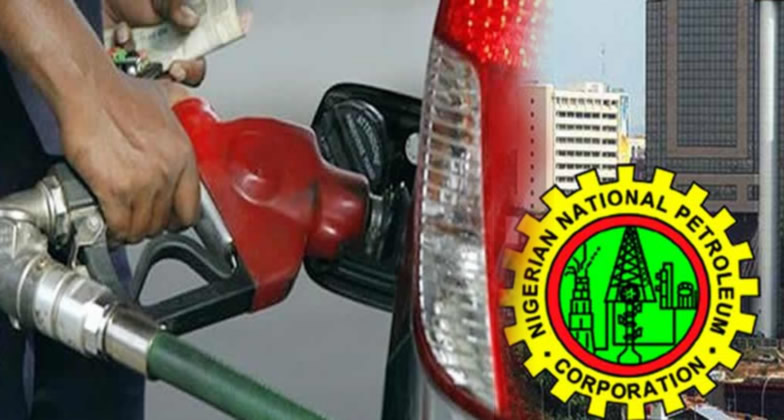
Dr. Samson Simon, Chief Economist at Economics & Data Limited, has urged the Federal Government to reconsider the complete removal of petrol subsidies, cautioning that the country’s insufficient local refining capacity makes such a move risky at this time.
His comments come in response to an interview by Aliko Dangote, Chairman of Dangote Group, who advocated for full subsidy removal.
Simon acknowledged that while subsidy removal could theoretically free up resources for critical sectors like education, healthcare, and infrastructure, Nigeria’s past attempts at subsidy removal have proven problematic.
He explained, “We’ve tried to remove subsidies before, but it has caused severe hardship for Nigerians, and paradoxically, the government continues to pay even more for subsidies despite increasing fuel prices.”
One of Simon’s major concerns is the lack of domestic refining capacity. “The key issue isn’t just removing the subsidy—it’s ensuring that we have sufficient domestic refining, which should not be limited to Dangote alone,” he argued, warning against creating a monopoly in the refining sector.
READ ALSO: Dangote: Our petrol was 20% cheaper than NNPC’s import price
“When a businessman like Dangote, who is profit-driven, becomes a monopolist, it can be even more dangerous.”
Simon emphasized the importance of competition in the oil market, noting that monopolies—whether in oil refining or other industries like cement—tend to lead to higher prices for consumers.
“Domestic refining alone won’t necessarily reduce fuel prices. We need to foster competition to ensure price stability,” he said, drawing parallels with the cement industry, where Dangote controls a significant portion of the market, often resulting in prices above the global average.
READ ALSO: Fuel Subsidy: From the pit of Niger Delta to the federal purse
He also stressed the need for a strategic approach to reducing fuel prices without relying on subsidies.
“We should aim to bring down the pump price of fuel through other means, such as increasing domestic refining and feedstock supply. If we can achieve that while phasing out the subsidy, it would be the best outcome.”
In conclusion, Simon advocated for a more cautious and competitive framework for subsidy removal, emphasizing that the solution lies in expanding domestic refining capacity and avoiding monopolistic control of the sector.
“Subsidy removal and lower fuel prices are not mutually exclusive. By fostering a diversified refining sector, we can alleviate both the subsidy burden and high pump prices.”


-
 Latest6 days ago
Israel marks 3 years since October 7 Hamas attack amid Gaza strikes, election debate
-
 Energy6 days ago
Fuel Battle: Dangote, marketers and government clash over petrol imports
-
 Energy1 week ago
Petrol, diesel prices rise 86% in 2026 as costs hit fresh highs
-

 Football7 days ago
Nigeria’s World Cup exit under spotlight as FIFA’s DR Congo files emerge
-
 Energy1 week ago
Has Iran lost control of the Strait of Hormuz? Oil flows rebound as war disruptions persist
-

 Latest7 days ago
US Court set to rule on release of FBI, DEA records on Tinubu
-

 Latest16 hours ago
Full List: Meet the 2026 Nobel Prize winners across six categories
-
 Business7 days ago
Nigerian investors at a crossroads as fixed-income yields slide