
Business
Foreign investment in Nigerian stocks crashes 92% in April amid global trade shocks, FX instability

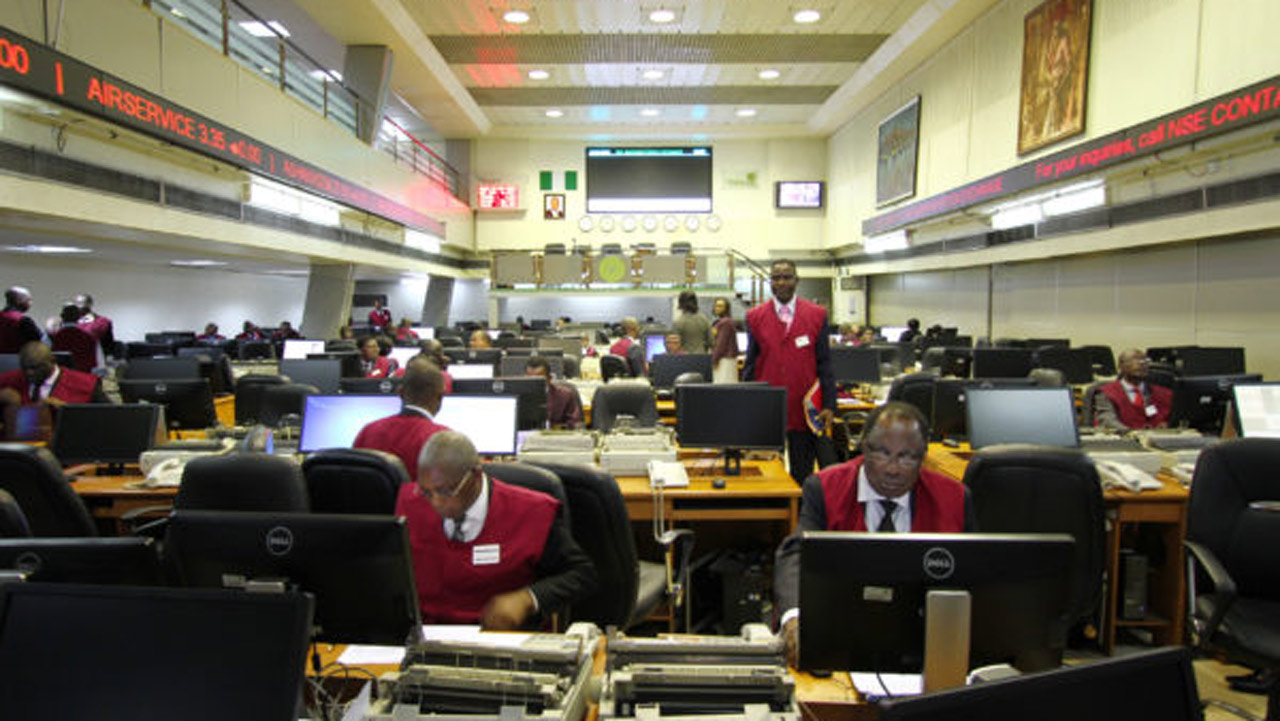
Foreign portfolio investment (FPI) in Nigeria’s equities market experienced a dramatic collapse in April 2025, plunging by 92.39% to ₦26.64 billion from ₦349.97 billion in March, fresh data from the Nigerian Exchange (NGX) has revealed.
The overall value of foreign transactions also declined steeply by 90.99%, nosediving from ₦699.89 billion in March to ₦63.07 billion in April. Foreign inflows accounted for ₦26.64 billion, while outflows surged to ₦36.43 billion, resulting in a net capital flight of ₦9.79 billion for the month.
This sharp downturn marks a sudden reversal from the unusually strong activity seen in March, when foreign trades represented 62.74% of total market turnover.
In April, foreign participation dwindled to just 13.08%, highlighting the volatility and vulnerability of international investor confidence in Nigeria’s capital markets.
Analysts Blame Policy Uncertainty, Global Trade Turmoil
Economic and market experts say the decline reflects a combination of global and domestic pressures weighing on investor sentiment.
Dr. Bismarck Rewane, Chief Executive Officer of CFG Advisory, described the plunge as a textbook example of the instability typical in frontier markets.
READ ALSO: Economists score Tinubu’s ‘Renewed Hope’ low on cost of living, despite economic stabilisation gains
“The figures reveal a classic case of volatility in portfolio flows, especially in markets like Nigeria. Without predictable policy direction, foreign investors will naturally reduce exposure—particularly amid global monetary tightening and rising geopolitical tensions,” Rewane stated.
Similarly, Dr. Ayo Teriba, CEO of Economic Associates, pointed to both internal and external factors contributing to the fall.
“While the recent U.S. tariff regime and global trade disruptions are concerning, Nigeria’s persistent foreign exchange instability and unpredictable regulatory climate are equally discouraging to investors,” Teriba said.
U.S. Tariffs Add Pressure as Naira Wobbles
April’s market downturn followed U.S. President Donald Trump’s imposition of new trade tariffs, including a 14% levy on Nigerian exports—a move that sent ripples through the global economy and heightened uncertainty in emerging and frontier markets.
Nigeria, whose non-oil export sector is still developing, was hit particularly hard.
In a bid to stabilise the naira and ease forex pressure, the Central Bank of Nigeria (CBN) intervened with a $200 million injection into the currency market. However, this failed to halt the foreign capital exodus or significantly bolster investor confidence.
Domestic Investors Hold the Line
Despite the exit of foreign capital, domestic investors continued to provide critical support to the market. In April, local investors accounted for ₦418.97 billion—or 86.92%—of total trade, slightly up from ₦415.62 billion in March.
Institutional investors, including pension funds, mutual funds, and corporates, expanded their participation by 8.77% to ₦237.66 billion. Retail investors, however, appeared more cautious. Their trading volume fell by 8.02% to ₦181.31 billion, suggesting growing apprehension among everyday Nigerians.
The broader domestic trend remains positive. Year-to-date, institutional investors have executed ₦976.66 billion in trades, surpassing the ₦860.29 billion recorded by retail participants—underscoring the dominant role of professional investors in market activity.
READ ALSO: CBN launches mystery shopping to tighten BDC regulation after CBEX forex scandal
Overall Market Still Up Year-to-Date, But Caution Prevails
Despite April’s slump, cumulative data for 2025 shows a 43.3% year-on-year increase in market transaction volume. As of April, total trades stood at ₦2.714 trillion, compared to ₦1.894 trillion in the same period of 2024.
However, analysts warn that sustaining this momentum may prove challenging amid Nigeria’s fragile macroeconomic climate. While foreign investors had returned aggressively in March, the overall balance for the year remains negative.
So far in 2025, foreign investors have recorded ₦420.32 billion in inflows against ₦456.80 billion in outflows—resulting in a net negative position of ₦36.48 billion.
Looking Ahead: Policy Clarity, FX Stability Seen as Critical
Market watchers agree that regaining investor confidence will depend heavily on consistent policy communication, FX market stability, and improved global trade conditions.
As Nigeria continues to implement structural reforms under the Tinubu administration, including subsidy removals and FX market liberalisation, analysts say clearer regulatory frameworks and macroeconomic stability will be critical to attracting and retaining foreign capital.
Until then, foreign investors are likely to remain on the sidelines—watching, waiting, and weighing the risks


-

 Latest7 days ago
US Immigration fees rise from October 16 as USCIS announces new charges
-
 Latest2 days ago
Israel marks 3 years since October 7 Hamas attack amid Gaza strikes, election debate
-

 Business6 days ago
Nigeria’s $55bn reserves raise fresh questions over naira value
-

 Health6 days ago
Florida sues Pfizer over deceptive COVID-19 vaccine marketing
-

 Business1 week ago
Tuoyo Erikowa wins digital marketing personality of the Year at 2026 EDGE awards
-

 Crime6 days ago
From camp to captivity: How kidnappers now target NYSC Corps members on highways
-

 Featured7 days ago
2027: Can Nigeria’s opposition still unite behind a single presidential candidate?
-

 Crime6 days ago
Fulani Militia leader linked to Christian killings arrested in Plateau