
Business
Ghana signs MoU with ATI on access to reliable, affordable electricity

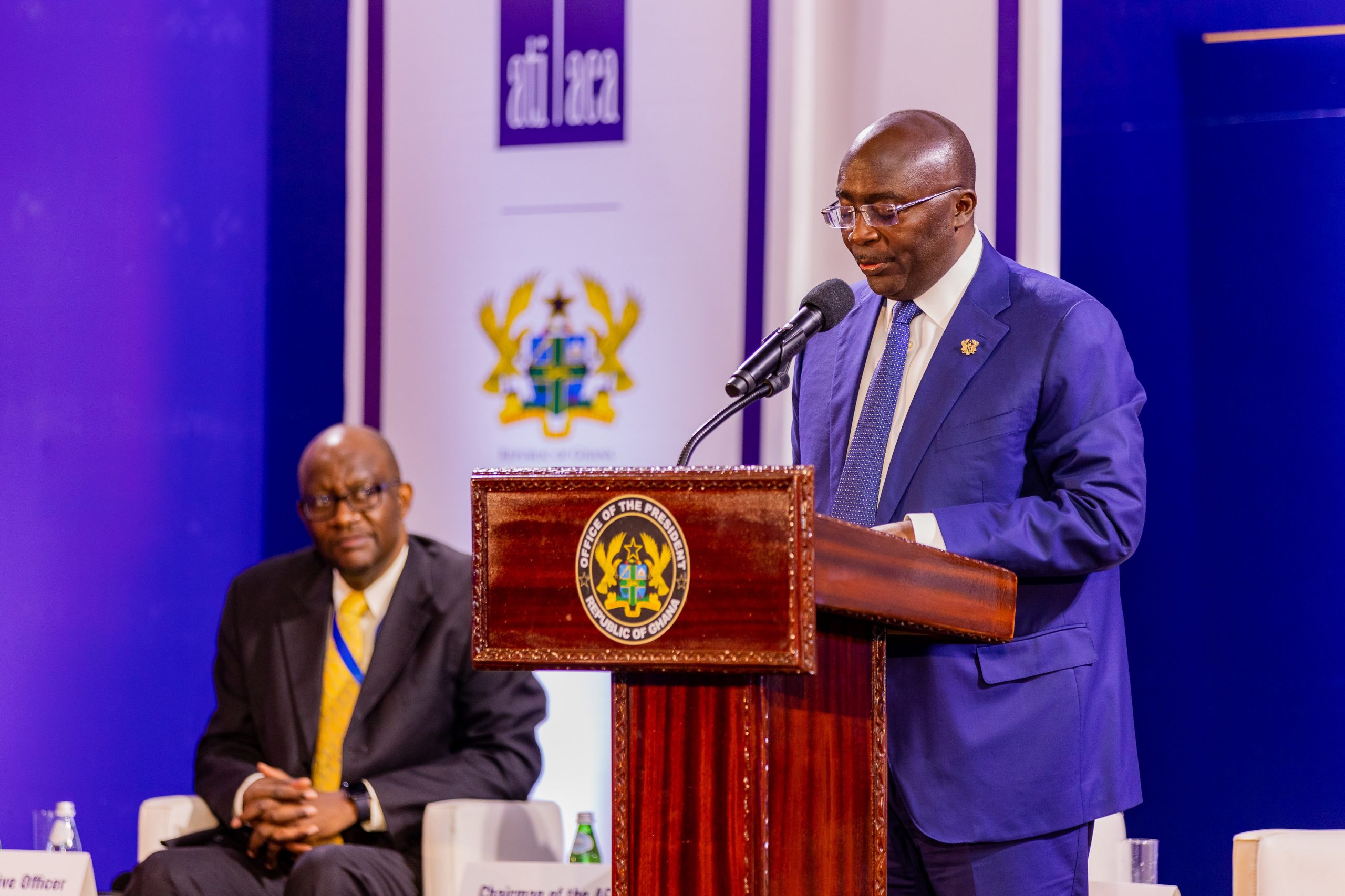
In line with its mission to promote access to reliable, clean, and affordable electricity, the Government of Ghana has signed a Memorandum of Understanding (MoU) with the African Trade Insurance Agency (ATI) for the roll out of the Regional Liquidity Support Facility (RLSF) within the country.
RLSF, a joint initiative of ATI, the KfW Development Bank and the Norwegian Agency for Development Cooperation (Norad), is a financial product that is designed to address the short term liquidity risks faced by small and medium sized Independent Power Producers (IPPs) that sell electricity to state owned power utilities – improving bankability and helping such projects reach financial close.
The signing of the MoU has come at an opportune time when the demand for energy in Ghana is increasing by 10% per year, coupled with the country’s focus on expanding the contribution of renewable energy sources towards the country’s energy mix.
Thanks to the MoU, IPPs in Ghana will benefit from RLSF which was not only created to help tackle climate change and attract investments by supporting renewable energy projects in ATI’s member countries, but also to protect the IPPs against the risk of delayed payments by public offtakers.
READ ALSO: Ghana hikes interest rate to 22% to combat inflation, forex crises
Ghana has one of Africa’s highest rates of access to electricity at 86.63 percent with 74 percent of rural residents and 95 percent of urban residents connected to the electricity grid. Ghana also exports excess power to the neighboring countries of Benin, Burkina Faso and Togo.
Additionally, the country, which currently has a total installed capacity of over 5,300 MW – aspires to industrialize, modernize its agriculture, and provide economic opportunities for its growing population. However, one of the key constraints to this vision is access to reliable and cost-efficient electric power, and the sector’s current financial deficit.
RLSF will therefore be available to relieve the financial burden of the national utility, the Electricity Company of Ghana (ECG), which is often asked to provide collateral for similar liquidity instruments under power purchase agreements.
Ghana is the ninth ATI Member State to have signed the RLSF MoU – joining Benin, Burundi, Côte d’Ivoire, Madagascar, Malawi, Togo, Uganda and Zambia.


-

 Latest1 week ago
Global excitement builds as Healing Streams Live Services returns October 23
-

 Featured7 days ago
Inside INEC’s race to prepare for Nigeria’s 2027 elections
-

 Business1 week ago
President Tinubu and the Low Transport Fares Fiasco
-

 Featured7 days ago
2027: APC unveils nationwide campaign timetable, Tinubu to rally in 12 states
-

 Business4 days ago
Naira faces exchange rate gap as Dollar hits N1,380 on parallel market
-
 Business7 days ago
Court dismisses ₦170m Trade Fair contract claim, says Zenith Bank was not a party
-

 Latest6 days ago
Breaking: NNPCL raises petrol price to ₦1,405 per litre amid discount controversy
-

 Business1 week ago
Rite Foods targets beverage market growth with LIDA Malt