
Business
Global oil prices edge higher on first trading day of 2025 amid optimism, uncertainty

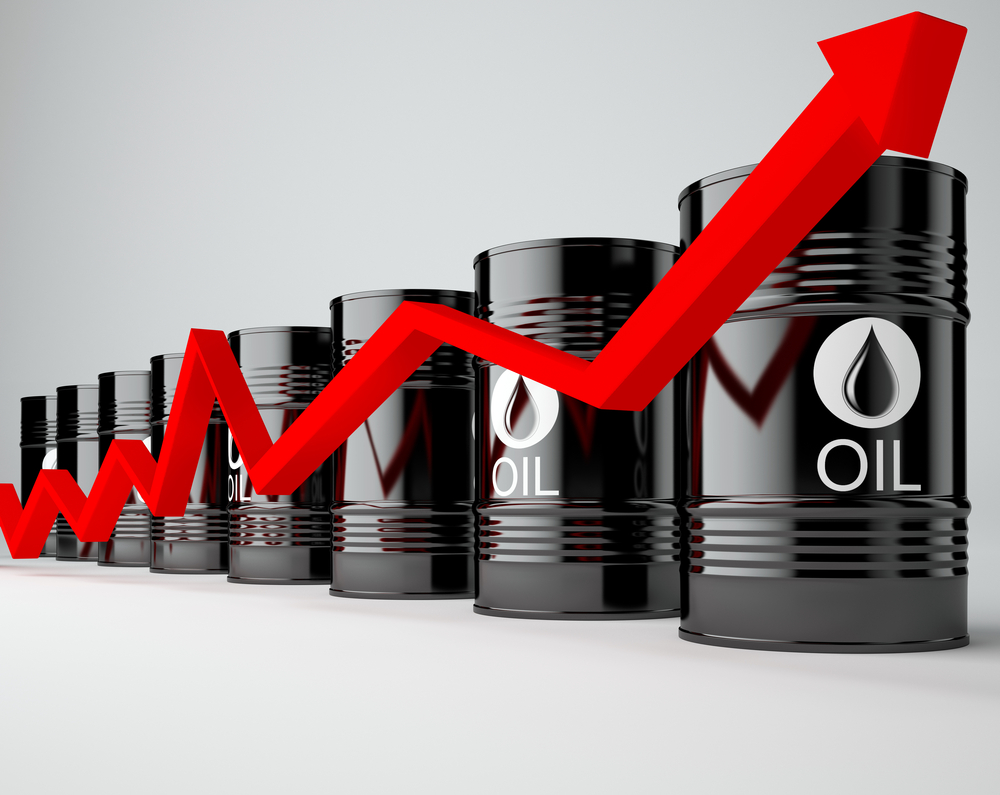
Global oil prices rose slightly on Thursday, January 1, 2025, marking the first trading day of the year. Brent crude futures climbed to $74.80 per barrel, gaining 17 cents (0.06%), while U.S. West Texas Intermediate (WTI) crude futures rose 19 cents (0.26%) to $71.91 per barrel.
Investors are cautiously optimistic about potential growth in China’s economy but remain concerned about geopolitical and economic uncertainties.
Brent crude had risen by 65 cents on New Year’s Eve, while WTI closed 73 cents higher the same day. Oil prices fluctuated significantly in 2024 due to Middle Eastern conflicts and reduced demand from China, the world’s second-largest economy.
Optimism surrounds China’s potential economic rebound in 2025 following President Xi Jinping’s New Year address. Xi pledged to implement more proactive policies to stimulate economic growth.
A Caixin/S&P Global survey revealed slow growth in China’s factory activity in December 2024 but highlighted slight recoveries in the services and construction sectors, suggesting the effectiveness of recent policy stimuli.
The China National Petroleum Corporation’s Economic and Technological Research Institute (ETRI) forecasts that China’s oil demand will peak in 2025, reaching approximately 770 million tonnes.
If realized, this could drive up global oil prices. Meanwhile, India, now the world’s most populous country, is poised to displace China as Asia’s leading oil market, potentially adding upward pressure on prices.
READ ALSO: 2024: A Transformative year for Nigeria’s oil, gas industry
Investors are closely monitoring the upcoming U.S. ISM manufacturing report, which is expected to influence crude oil’s next price movement.
IG market analyst Tony Sycamore commented, “WTI’s weekly chart is narrowing, signaling an imminent significant price movement. Rather than predicting the direction, it’s prudent to wait for the break and follow it.”
The Energy Information Administration’s weekly U.S. oil stocks data, delayed due to the New Year holiday, is also highly anticipated.
U.S. President-elect Donald Trump, set to assume office on January 20, has pledged to increase domestic oil production. However, experts caution that America’s private-sector-driven oil industry may limit immediate policy impacts.
The Organization of the Petroleum Exporting Countries (OPEC) struggled in 2024 to stabilize oil prices through production cuts. Analysts suggest that OPEC’s influence in the global oil market has diminished compared to previous decades.
President Bola Tinubu’s administration based its 2025 budget on an assumed oil price of $75 per barrel and set a production target exceeding 2 million barrels per day. Achieving these goals would significantly impact Nigeria’s economic outlook and its role in the global oil market.
While market optimism surrounds potential growth in China and India, concerns about geopolitical tensions, U.S. policy shifts, and OPEC’s waning influence continue to cast uncertainty over 2025 oil prices. As the year unfolds, the interplay of these factors will determine the trajectory of global oil markets.


-

 Crime6 days ago
Kwara bandit deal under scrutiny as footage shows security operatives negotiating with terrorists [VIDEO]
-

 Business4 days ago
NGX loses N3trn in three days as Dangote Cement, Aradel, Banks lead sell-off
-

 Latest4 days ago
Tinubu’s 2027 re-election bid: New promises, old questions and an unfinished record
-

 Entertainment1 week ago
2027 Grammys: Asake, Wizkid, Tems, Ayra Starr lead Nigerian nominees in African music category
-

 Latest4 days ago
2027: Dele Momodu predicts Peter Obi will defeat Soludo’s Tinubu mobilisation in Anambra
-

 Football6 days ago
Argentine teen footballer Abel Nunez dies after suffering head injury during match
-

 Latest6 days ago
2027 Elections: 66% of Nigerians feel no connection to political parties, 89% fear vote-buying – Survey
-

 Football1 week ago
Portugal gives iconic No. 7 a new look to immortalise Cristiano Ronaldo’s legacy