
Featured
Journalists meet to strengthen media coverage for migration

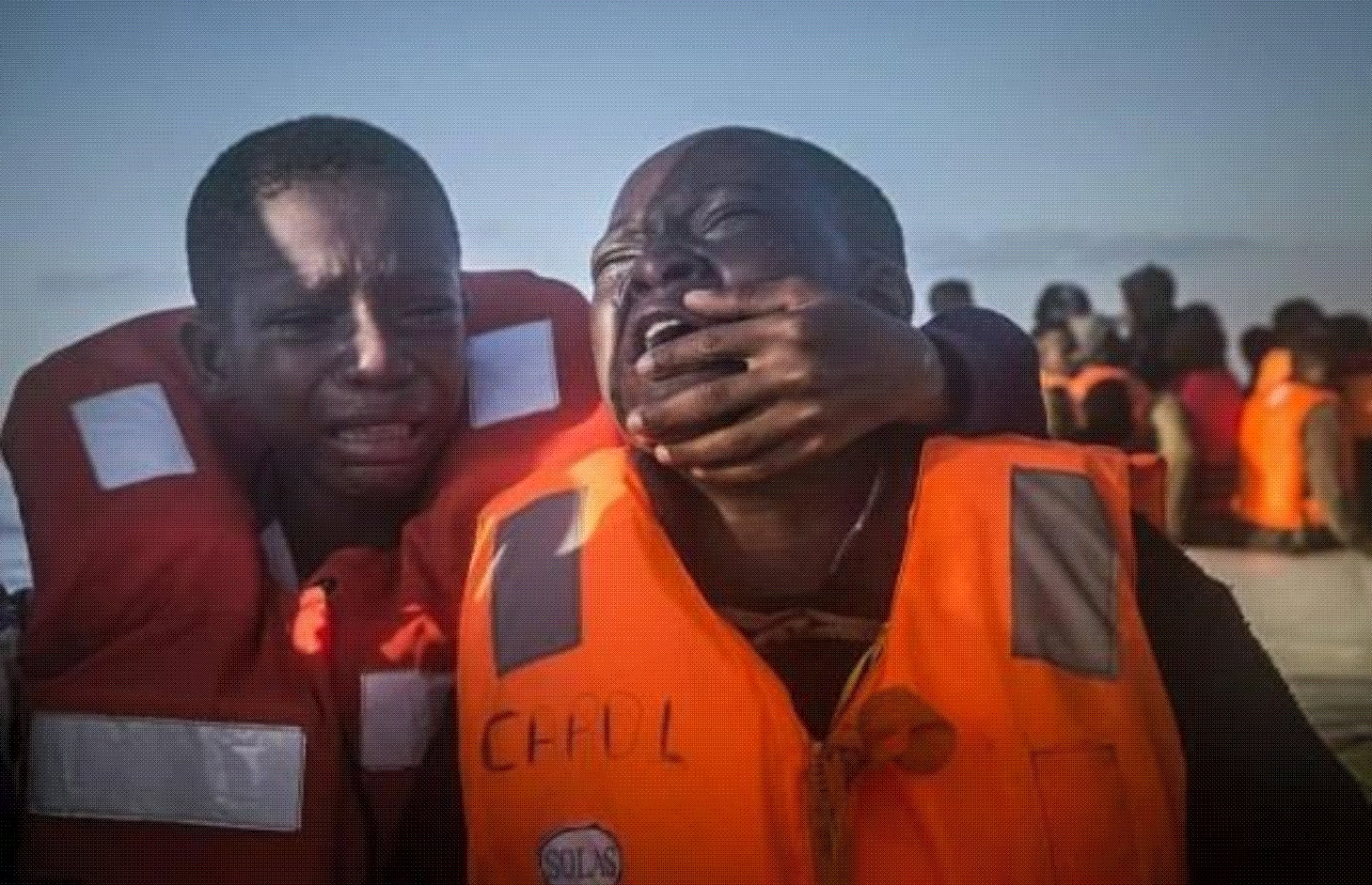
Africa and Europe-based institutions just concluded a weeklong training in Dakar to deepen understanding of migration-related issues and strengthen its media coverage on the continent.
The weeklong event, held at the West African Research Center (WARC) in the Senegalese capital brought together 28 journalists from Europe and Africa with the aim of collaborating on stories connected to migration – and in the process to strengthen the intercultural understanding of the topic.
The workshop has received generous support from the Germany-based Erich Brost Institute for International Journalism of TU Dortmund University, the German magazine Africa Positive, the Robert Bosch Stiftung and the African Media Initiative (AMI).
The training was also an opportunity for scholars from the fields of development studies, demography and political studies to provide rich and diverse perspectives into the conversation around migration.
The research resulting from this event is expected to be integrated in leading media outlets such as The Nation (Nigeria), DIE ZEIT and Spiegel Online (Germany), Gazeta Wyborcza (Poland), The Ethiopian Herald or CRTV (Cameroon).
“African migrants who head to Europe through the desert and the Mediterranean are not traveling to look for a better life; they head out in search of life. It is a life and death option for them and they choose life!” said Eric Chinje, Senior Advisor at the African Media Initiative (AMI), who holds the view that intercontinental migration and the reasons behind the movements are underrepresented in many African media. Hence his support to the “Journalism in a Global Context” (JiGC) project, which started in 2015 in Dortmund, Germany.
“The international coverage on migration is often very Euro-centric – at the same time, coverage of migration in many African countries has too many blank spots”, says Prof. Dr. Susanne Fengler, Director of the Germany-based Erich Brost Institute for International Journalism of TU Dortmund University.
“We want to promote a realistic image of Africa, exempted from negative clichés such as hunger, drought and sicknesses – but also exempted from positive clichés such as wild animals and romantic sunsets”, adds Veye Tatah, founder of Africa Positive.
The training is part of a larger project that includes content creation and promotion, training as well as research on the different forms of migration. Participating journalists have established a network of specialized reporters on migration issues and will act as a community of practice for purposes of cross-fertilization and peer mentorship.

Continue Reading


-

 Football1 week ago
Saka: England still carry World Cup scar
-

 Latest4 days ago
Pastor Chris Oyakhilome announces mother’s passing at 88 [VIDEO]
-

 Latest6 days ago
Arsenal eye €70-80m move for Real Madrid star
-

 Crime5 days ago
Police arrest suspect, launch manhunt for 2 others over Delta Education Director’s death
-

 Crime4 days ago
Deaths in NSCDC Custody: Can Nigeria guarantee the safety of detainees?
-

 Latest5 days ago
How adulterated palm oil, coloured pepper are putting consumers at risk
-

 Latest6 days ago
Obi left $155m in Anambra, Otti insists amid debt controversy
-
 Crime6 days ago
184.5kg Cocaine Bust: NDLEA docks KC Luxury, two accomplices, remands them in custody