
Business
Money supply in Nigeria hits N66.4 trillion in September

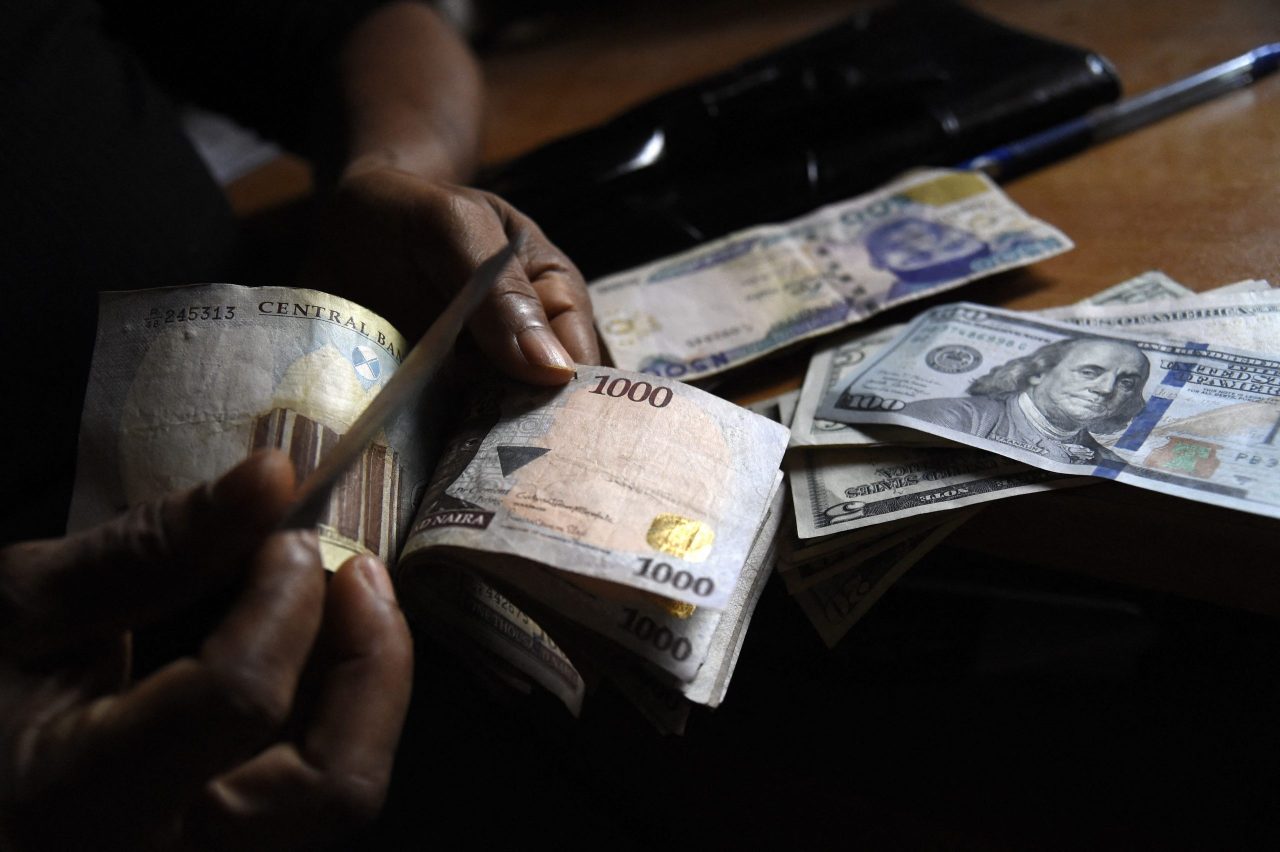
Data from the Central Bank of Nigeria reveals Nigeria’s total money supply (M2) rose to N66.4 trillion in September 2023.
The money supply, identified as M2, captures the total amount of money available in the economy at a particular moment.
This includes physical currency such as coins and banknotes, in addition to various types of deposits maintained by individuals, enterprises, and institutions in banks and other financial entities.
Nigeria’s money supply has been on the rise since the central bank began its expansive monetary policy stand in the wake of the Covid-19 pandemic.
Since September 2020, Nigeria’s money supply has doubled from N29 trillion before the lockdown (February 28th). However, the rise has been rapid in the last 12-18 months rising by about 34.6% year on year.
READ ALSO: Bank glitch lets customers without money withdraw €1,000 from ATMs
The increase in money supply was also a result of the devaluation of the naira following forex unification in June, The policy effectively added close to N10 trillion to the money supply.
A closer look at the data reveals that certain components of the money supply, namely demand deposits, quasi-money, and currency outside banks, also witnessed growth and declines.
Specifically, quasi-money, which pertains to financial tools that can be easily converted to cash, surged from N40.8 trillion in the month of August 2023 to N41 trillion
Moreover, demand deposits, primarily made up of chequing accounts or funds in banks accessible without prior notice, moved from N21.7 trillion to N23 trillion
Meanwhile, currency outside banks observed a relatively modest increment from N2.29 trillion to N2.3 trillion.
One major observation was the drop in Net Foreign Assets which went from N7.1 trillion to just N591 billion while Net Domestic Assets rose to N66.5 trillion from N58.3 trillion. The money supply is the summation of the net domestic assets and net foreign assets.
The recent surge in Nigeria’s money supply aligns with challenges like escalating inflation, pressure on the exchange rate, and diminishing interest rates.
As the money supply grows, there’s a rising chance of inflation, leading to decreased purchasing power.
Additionally, a larger money supply might result in declining interest rates, especially when investment assets are in short supply.
This could potentially make Nigerian assets less enticing to overseas investors, a concern given Nigeria’s dependence on dollar imports.









-
 Latest5 days ago
Israel marks 3 years since October 7 Hamas attack amid Gaza strikes, election debate
-

 Energy5 days ago
Fuel Battle: Dangote, marketers and government clash over petrol imports
-

 Energy6 days ago
Petrol, diesel prices rise 86% in 2026 as costs hit fresh highs
-

 Energy7 days ago
Has Iran lost control of the Strait of Hormuz? Oil flows rebound as war disruptions persist
-

 Football6 days ago
Nigeria’s World Cup exit under spotlight as FIFA’s DR Congo files emerge
-

 Latest6 days ago
US Court set to rule on release of FBI, DEA records on Tinubu
-

 Business6 days ago
Nigerian investors at a crossroads as fixed-income yields slide
-

 Business7 days ago
LoveWorld Trade and Investment Forum to Convene Business Leaders in Accra