
Business
Naira at mercy of plunging oil prices, shrinking reserves, says expert

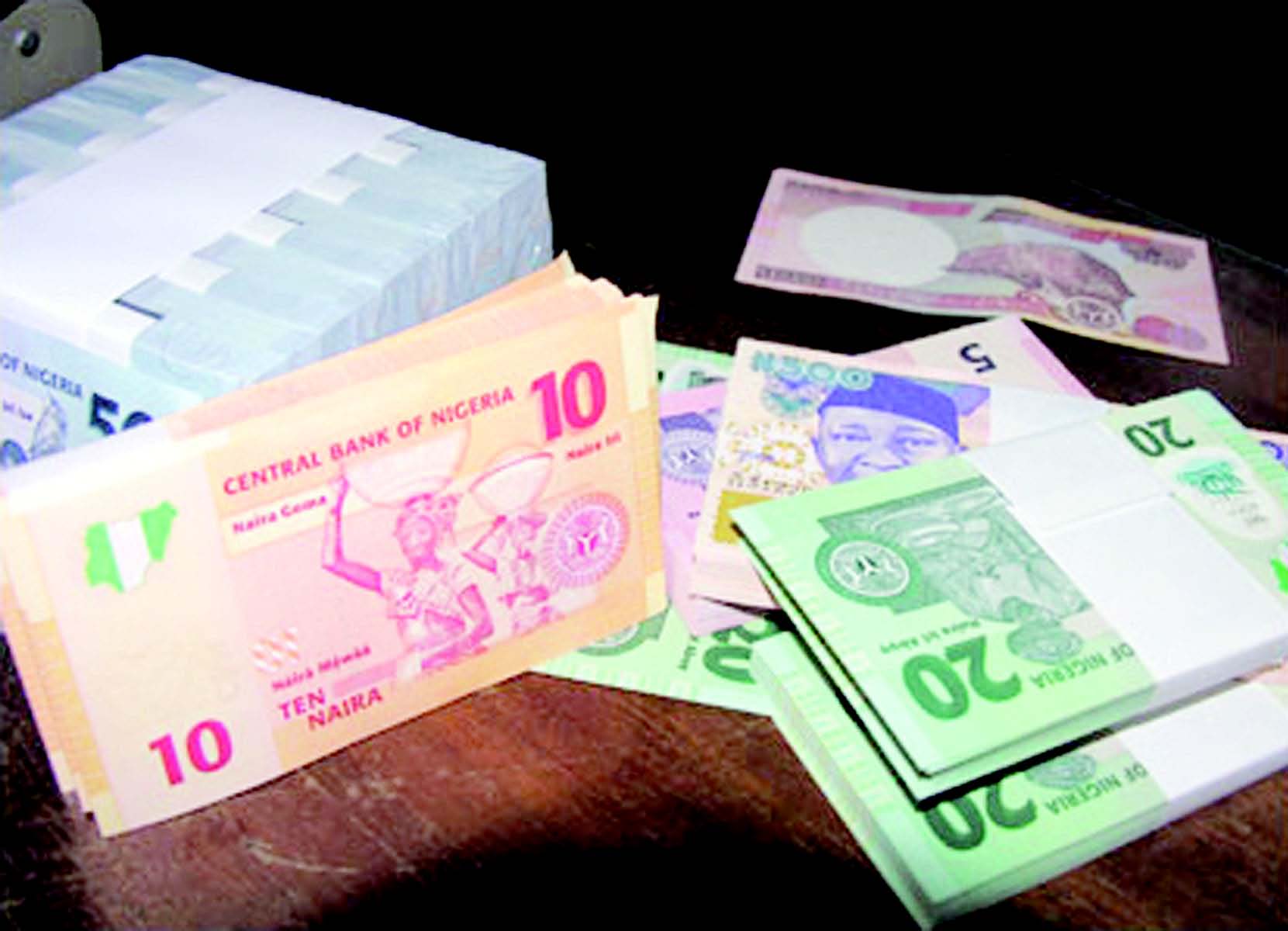
The Naira is currently at the mercy of two economic catastrophes: the ceaseless plunge in oil prices triggered by the untameable COVID-19, and the nation’s shrinking international reserves that have been on a free fall for months on end.
Crude prices took their hardest bashing so far from the epidemic early Monday following a price warfare between top producers, Saudi Arabia and Russia, after efforts by Saudi to broker an output cut deal with Russia ended in a standoff.
Yesterday, crude oil futures, West Texas Intermediate (WTI) and Brent cratered to as low as $31.13 and $31.02 per barrel respectively, their lowest since 12th February 2016 and the largest single-day percentage plunge since 17th January 1991, when the US Gulf War teed off.
French multinational investment bank, Société Générale S.A. said on Monday that fall in oil prices might compel Nigeria to devalue the Naira as the current export revenue crunch eats away at foreign reserves, weakening the Central Bank of Nigeria’s (CBN) ability to rescue the currency.
In the last two years, the reserves have hit their lowest since November 2017, tumbling by 20% and there are worries they might reach $30 billion anytime soon, the limit set by Godwin Emefiele, the apex bank chief, for devaluation to happen.
Jason Daw and Phoenix Kalen, strategists at Paris-headquartered SocGen said in a note obtained by Bloomberg on Monday it was high time the CBN looked the way of currency reform review before something untoward occurred.
Naira fundamentals are not sustainable and under current external vulnerabilities, principally lower oil prices, the threat of a devaluation is pretty much high, said SocGen.
“The combination of a current-account deficit — previously due to strong imports but now being compounded by weak exports — portfolio outflows and lower oil prices will continue to deplete FX reserves and pressure the naira.”
President Muhammadu Buhari had signed this year’s budget into law on a crude oil forecast of $57 per barrel with the government targeting N2.64 trillion from oil revenue.
Brent, the benchmark for Nigeria’s Bonny Light, has tumbled by about 45% year to date to $35.77 per barrel. Crude oil earnings make up over 90% of Nigeria’s export revenues.
Emefiele, since taking over the leadership of the CBN in 2014, has tightened capital controls and closely managed the value of the Naira, regularly saying both measures are the best remedies for inflation and stimulating manufacturing by discouraging imports.
Daw and Kalen wrote, “an initial attempt at a managed depreciation is more likely than a one-off large devaluation (like in the past), but it might be challenging to maintain over the medium term unless bolder policy action is taken.”


-

 Business1 week ago
Dangote Refinery IPO: 70% Subscription claim meets fourfold demand assertion as investors seek clarity
-

 Featured4 days ago
Inside INEC’s race to prepare for Nigeria’s 2027 elections
-

 Latest6 days ago
UCTH faces morgue crisis as 50 unclaimed corpses await mass burial
-

 Featured4 days ago
2027: APC unveils nationwide campaign timetable, Tinubu to rally in 12 states
-

 Business6 days ago
BREAKING: Nigeria’s Inflation Rate Drops to 14.63% in September
-

 Aviation1 week ago
Germany opens online application route for student, EU Blue Card and other long-stay visas
-

 Business4 days ago
Court dismisses ₦170m Trade Fair contract claim, says Zenith Bank was not a party
-

 Business5 days ago
President Tinubu and the Low Transport Fares Fiasco