
Business
Naira strengthens as CBN reports FX stability, surge in reserves

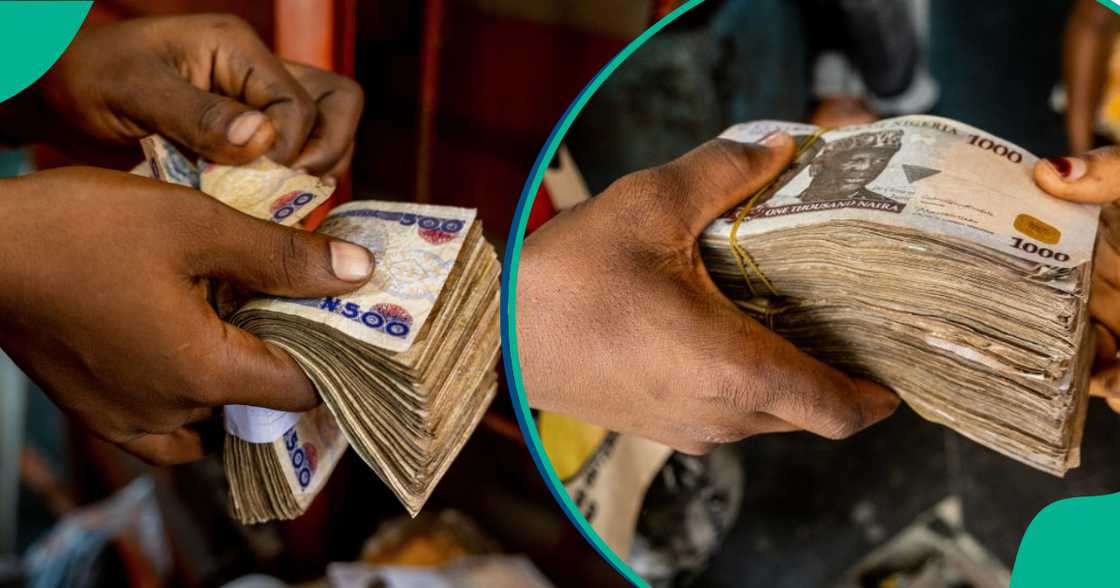
The naira recorded its second straight day of appreciation in the parallel market on Tuesday, trading at N1,625/$1, a slight improvement from N1,627/$1 on Monday.
At the official market, the naira also posted gains, closing at N1,588.50/$1, up from N1,597/$1 the previous day, ahead of the Central Bank of Nigeria’s (CBN) milestone 300th Monetary Policy Committee (MPC) meeting.
Intra-day trading showed continued volatility, with rates fluctuating between N1,580/$1 and N1,601.5/$1.
Speaking during a post-MPC press briefing in Abuja, CBN Governor Olayemi Cardoso highlighted a major achievement in Nigeria’s monetary environment—foreign exchange (FX) volatility has dropped below 0.5%, compared to over 4% a year ago.
“If you look at the exchange rate, volatility has reduced from over 4% a year ago to less than half of 1% now. That’s an indication of stability,” Cardoso said.
He credited this development to a series of monetary and fiscal reforms aimed at rebuilding macroeconomic confidence, including: Liberalisation of the FX market; Unification of exchange rates; Market-driven reforms to increase FX supply
In a notable disclosure, Cardoso revealed that Nigeria’s net external reserves have risen sharply from just over $3 billion to about $23 billion, calling it a “quantum leap.”
READ ALSO: Naira begins week stronger at official market amid volatility
The surge is attributed to growing investor confidence, resumed transparency in reserve reporting, and the return of previously sidelined market participants.
Gross external reserves, which hovered around $33–34 billion in early 2024, are projected to increase further due to stronger oil earnings, decreased demand for fuel imports, and rising non-oil exports, especially in natural gas.
At its historic 300th session, the MPC unanimously voted to retain all key monetary policy parameters: Monetary Policy Rate (MPR): 27.5%; Asymmetric Corridor: +500/-100 basis points around the MPR; Cash Reserve Ratio (CRR): 50% for Deposit Money Banks, 16% for Merchant Banks and Liquidity Ratio: 30%
All 12 committee members voted in favor of maintaining the current stance, emphasizing continuity and the need to consolidate recent gains in Nigeria’s macroeconomic environment.


-

 Latest2 days ago
Pastor Chris Oyakhilome announces mother’s passing at 88 [VIDEO]
-

 Football6 days ago
Saka: England still carry World Cup scar
-

 Comments and Issues1 week ago
Sometimes, goodwill finds us through the people we love
-

 Latest4 days ago
Arsenal eye €70-80m move for Real Madrid star
-

 Business7 days ago
CBN reduces MPR by 350bps to 23% in major monetary policy shift
-

 Latest3 days ago
How adulterated palm oil, coloured pepper are putting consumers at risk
-

 Crime2 days ago
Deaths in NSCDC Custody: Can Nigeria guarantee the safety of detainees?
-

 Crime3 days ago
Police arrest suspect, launch manhunt for 2 others over Delta Education Director’s death