
Business
Nigeria leads global decline in cash transactions as digital payments skyrocket

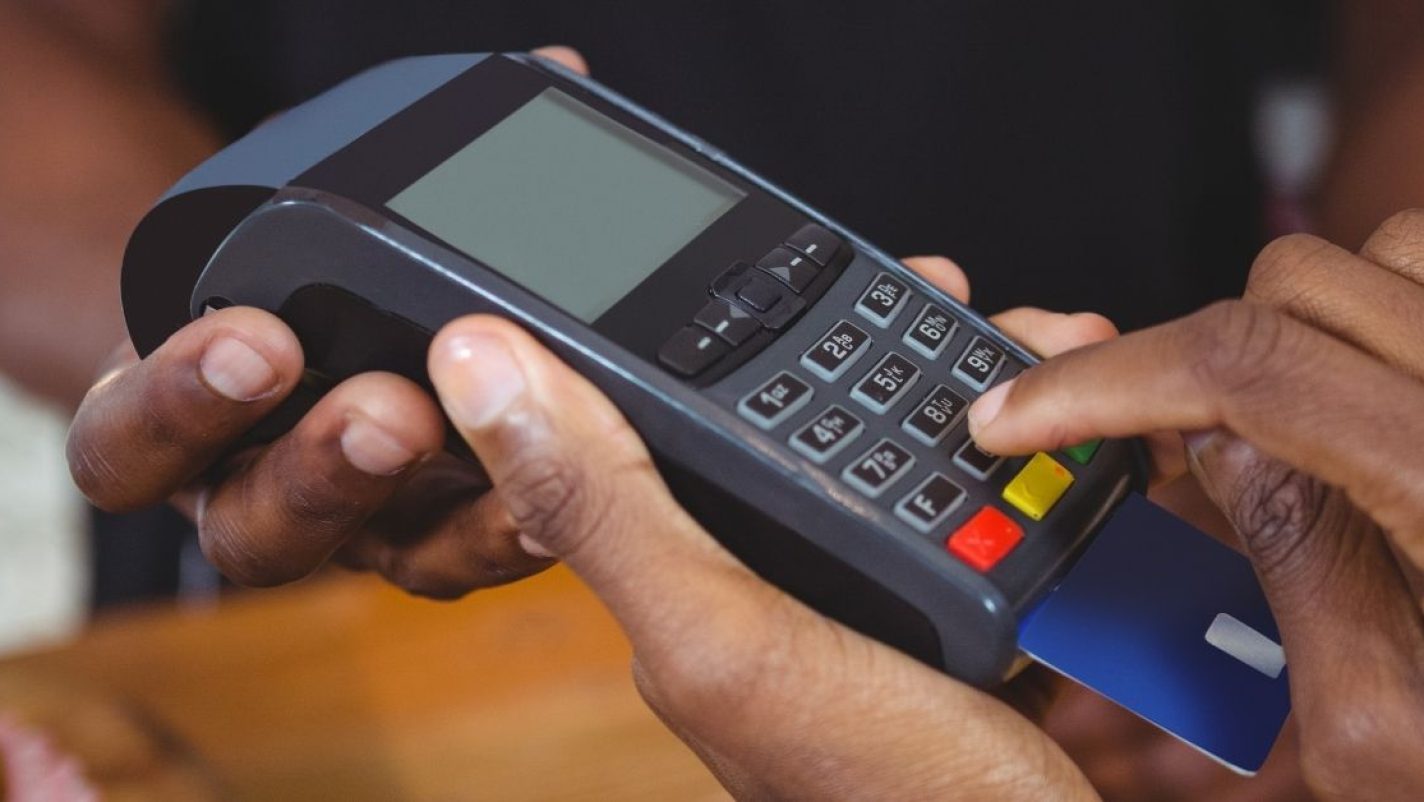
Nigeria has recorded the world’s largest drop in cash usage over the past decade, surpassing six other cash-dependent economies, thanks to the rapid adoption of digital payments and growing fintech partnerships.
This is according to a report by global payment processing company Worldpay. Between 2014 and 2024, cash transactions in Nigeria fell by 59%—the steepest decline among the seven major economies analyzed.
The Philippines followed with a 43% drop, while Indonesia (44%), Mexico (41%), Japan (31%), Germany (24%), and Colombia (22%) also saw declines. This shift comes as Nigeria’s electronic transactions hit record highs, driven by increased collaboration between banks and fintech companies.
The Worldpay report, which examined 40 markets representing 88% of global GDP, projects that cash usage in Nigeria will decline further to 32% by 2030 as digital payments continue to expand.
ALSO READ: Naira falls further against Dollar at official market, records gains in parallel market
The surge in digital transactions was accelerated in 2023 by the Central Bank of Nigeria’s (CBN) naira redesign policy, which aimed to curb cash hoarding and money laundering.
However, the policy triggered severe cash shortages, causing a 29.2% drop in currency circulation to ₦982.1 billion by February 2023—the lowest since 2008.
As traditional banks struggled to handle the increased demand for online transactions, fintech companies like OPay and PalmPay capitalized on the crisis, providing reliable alternatives for transfers and bill payments, emerging as the biggest beneficiaries of the cash crunch.
“Nigerians now have an increasing appetite for non-cash transactions,” said Uchenna Uzo, a professor of marketing at Lagos Business School. Data from the Nigeria Inter-Bank Settlement System (NIBSS) shows that the volume of electronic transactions skyrocketed by 1,514.2% between 2018 and 2024, rising from 793 million to 11.3 billion.
While Nigeria remains a cash-heavy economy, cash transactions have dropped from 91% in 2019 to less than half of that today, with mobile devices playing a central role in this transformation, the Worldpay report noted.


-

 Latest2 days ago
Pastor Chris Oyakhilome announces mother’s passing at 88 [VIDEO]
-

 Football6 days ago
Saka: England still carry World Cup scar
-

 Comments and Issues1 week ago
Sometimes, goodwill finds us through the people we love
-

 Latest4 days ago
Arsenal eye €70-80m move for Real Madrid star
-

 Business7 days ago
CBN reduces MPR by 350bps to 23% in major monetary policy shift
-

 Latest3 days ago
How adulterated palm oil, coloured pepper are putting consumers at risk
-

 Crime4 days ago
Police arrest suspect, launch manhunt for 2 others over Delta Education Director’s death
-

 Crime3 days ago
Deaths in NSCDC Custody: Can Nigeria guarantee the safety of detainees?