
Business
Nigeria needs to spend 18% GDP on infrastructure – IMF

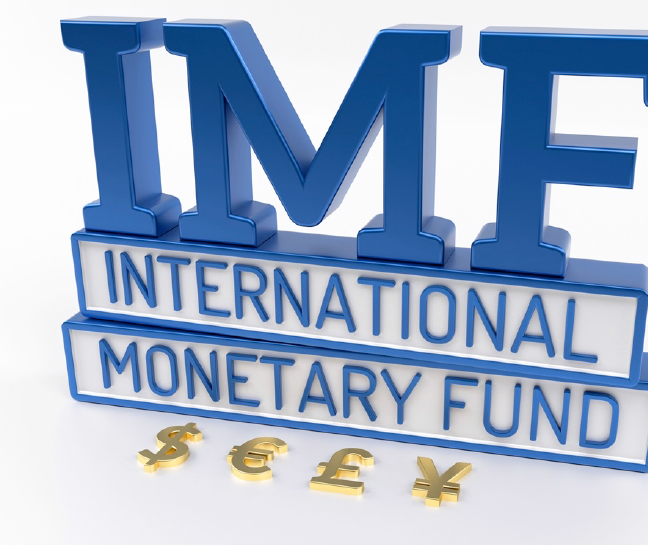
The International Monetary Fund has estimated additional spending of 18 percentage points of Gross Domestic Product by 2030 for Nigeria to achieve Sustainable Development Goals.
It stated this in its report on, “Technical assistance report––additional spending toward Sustainable Development Goals,” for May 2020, which was released recently.
Part of the report read, “Making progress in the Sustainable Development Goals requires substantial additional resources.
“Concomitant with the reform priorities identified by the United Nations, World Bank, European Union, and other international development institutions, the mission estimates additional spending of 18 percentage points of Gross Domestic Product by 2030—a level higher than the average low-income and developing countries.
“Relative to other low-income and developing countries, additional spending is higher in education and water and sanitation, and lower in health, electricity, and roads.”
The IMF noted that Nigeria faced serious development gaps.
It added that, “Half of the student-age population is enrolled in schools.
“Healthy life expectancy is 49 years, placing Nigeria among the bottom six countries in the world. Some 54 per cent of the population is connected to an electricity grid that collapses about once a month.
“Roads are in precarious condition. Less than four per cent of the population have access to safely managed water.
“Overall, Nigeria’s indicators of human and physical capital are worse than countries with lower GDP per capita.”
The IMF stated that unlocking the potential of a rapidly growing population required substantial improvements in human and physical capital.
It stated that Nigeria is Africa’s most populous country and its largest economy, adding that its population was projected to grow by 30 per cent—about 60 million people—between now and 2030.
“To raise living standards, reduce poverty, and provide better opportunities for the growing youth, Nigeria needs to invest more on its people—education and health—and its infrastructure—roads, electricity, and water and sanitation,” it stated.


-

 Latest1 week ago
US Immigration fees rise from October 16 as USCIS announces new charges
-
 Latest2 days ago
Israel marks 3 years since October 7 Hamas attack amid Gaza strikes, election debate
-

 Business7 days ago
Nigeria’s $55bn reserves raise fresh questions over naira value
-
 Health6 days ago
Florida sues Pfizer over deceptive COVID-19 vaccine marketing
-

 Crime6 days ago
From camp to captivity: How kidnappers now target NYSC Corps members on highways
-
 Featured7 days ago
2027: Can Nigeria’s opposition still unite behind a single presidential candidate?
-

 Crime6 days ago
Fulani Militia leader linked to Christian killings arrested in Plateau
-

 Business1 week ago
PalmPay upgrades security centre as digital fraud risks evolve in Nigeria