
Business
Nigeria projected to save over $5bn from fuel subsidy in 2023

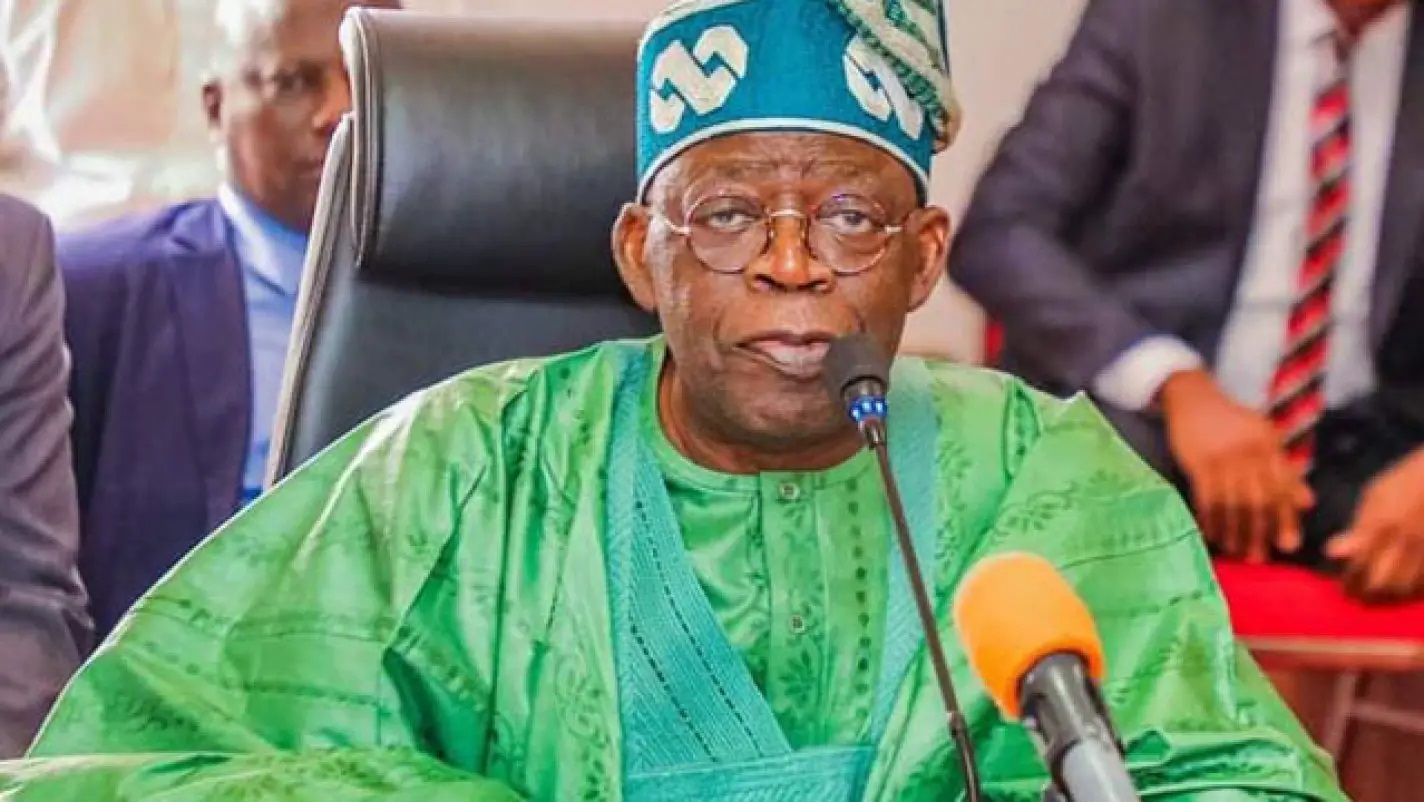
World Bank lead economist, Alex Sienaert, says Nigeria is projected to save up to $5.1 billion (N3.9 trillion) in 2023 alone after the removal of fuel subsidy and reforms of its foreign exchange market.
Sienaert disclosed this during a presentation at an event organized by the bank to assess the country’s economy in the last 6 months on Tuesday in Abuja, noting that savings from the reforms did not amount to a fiscal windfall.
He said, “They stop Nigeria from going over what you might call the fiscal cliff. They really set the stage for a new and an upward trajectory in terms of Nigeria’s development path.’’
On the exchange rate, the World Bank Senior Economist said that the previous foreign exchange management approach impeded investment and growth, contributed to inflation and undermined the efficacy of the monetary and fiscal policies.
He said Nigeria should remove restrictions that had been placed on a list of 43 items, including sugar and flour, which the apex bank directed cannot be allocated dollars at the official rate, in order to deepen foreign exchange reforms.
Also, speaking at the occasion, the World Bank Country Director for Nigeria, Dr Subham Chadhuri, said the international financial institution is in support of the Federal Government’s removal of fuel subsidy and exchange rate unification.
Chadhuri explained that the policy, though painful, remains key to rebuilding the economy of the nation.
He further stated that the World Bank’s concessionary funding to Nigeria currently stands at over $10 billion.
Nigeria’s recently sworn-in President, Bola Tinubu, is embarking on the country’s biggest reforms in decades with the removal of the petrol subsidy and unification of the country’s multiple exchange rates.
Recall that President Bola Tinubu during his inaugural speech on May 29, 2023, announced that fuel subsidy is gone as there was no provision for that in the 2023 budget from July 1.
The President pledged his administration’s support to channel the money to provide basic infrastructural needs to Nigerians.
The CBN had on June 14, announced the unification of all segments of the forex market collapsing all windows into one. This was part of a series of immediate changes to operations in the Nigerian Foreign Exchange (FX) Market, in a bid to improve liquidity and stability.








-
 Business7 days ago
Dangote Refinery IPO: 70% Subscription claim meets fourfold demand assertion as investors seek clarity
-

 Latest1 week ago
Umahi defends Lagos-Calabar highway route changes amid public outcry
-
Business1 week ago
Dangote Refinery IPO Extension: Was the 70% subscription report overhyped?
-
 Featured4 days ago
Inside INEC’s race to prepare for Nigeria’s 2027 elections
-

 Latest6 days ago
UCTH faces morgue crisis as 50 unclaimed corpses await mass burial
-
 Featured4 days ago
2027: APC unveils nationwide campaign timetable, Tinubu to rally in 12 states
-
 Business6 days ago
BREAKING: Nigeria’s Inflation Rate Drops to 14.63% in September
-

 Featured1 week ago
El-Rufai, ADC governorship candidate’s court appearance puts Kaduna opposition politics in focus