
Business
Nigerian Banks face liquidity ratio crisis – CBN

…pegged liquidity ratio at 30%
By Odunewu Segun
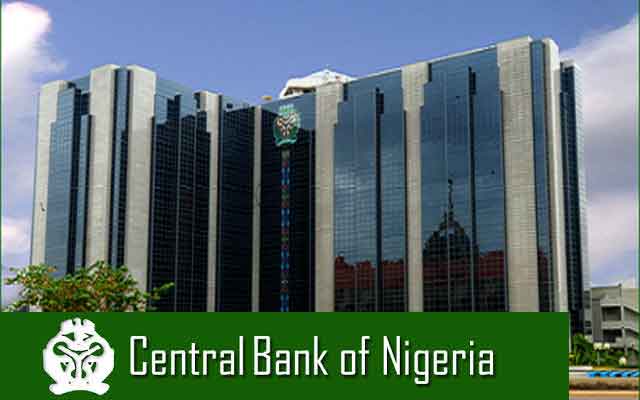
The peculiar case of Skye Bank which was worsened after it used short-term finding to acquire Mainstreet Bank in 2014 but failed to attract fresh funds may have prompted the Central Bank of Nigeria to monitor some unnamed commercial lenders for liquidity crisis, National Daily has gathered.
It was gathered that the concerned banks were not in the same same situation as Skye Bank. According to the Director of Banking Supervision for CBN, Tokunbo Martins, the Central bank is working with the banks to restore their ratios and sought to reassure depositors that there was no need to panic. “We have our eyes on one or two other banks right now but they are not in a state of distress,” she said.
According to the Chief Executive Officer, Financial Derivatives Limited, Mr. Bismarck Rewane, the solution to the challenges facing the banks was for them to raise additional capital.
He, however, pointed out that during economic downturns, banks’ asset quality suffer the most and central banks the world over do everything to assist them.
ALSO SEE: Interbank rate soars again as cash shortage hits bank
He expressed optimism that the CBN would continue to support banks so as not to create a crisis of confidence in the system.
The Head of Research at SCM Capital Limited (formerly Sterling Capital), Mr. Sewa Wusu, said banks should consider rights issues to raise additional capital so as to maintain the capital threshold.
“One of the ways to address the issues of low capital adequacy is to raise capital. What it means is that the new management has the responsibility of raising fresh capital and they should also ensure that they come up with a strategy to boost their loan recovery drive.
Meanwhile, the Central Bank of Nigeria (CBN) has said commercial banks will need to maintain minimum liquidity ratio of 30 per cent in line with regulatory requirement. The new guideline is contained in the Monetary, Credit, Foreign Trade and Exchange Policy for fiscal years 2016/2017 released by the apex bank.
Liquidity ratios are a class of financial metrics used to determine a bank’s ability to pay off its short-term debts obligations. It is the total specified liquid assets of a bank divided by total current liabilities. The higher the value of the ratio, the larger the margin of safety a bank possesses to cover short-term debts.
According to the guidelines, discount houses shall continue to invest at least 60 per cent of their total liabilities in government securities in the 2016/2017 fiscal period, while the ratio of individual bank loans to deposits, is retained at 80 per cent.
It said the major tool for liquidity management will continue to be Open Market Operation (OMO) Auctions will be conducted through the sale and purchase of Treasury Bills and CBN Bills at the two-way quote trading platform.
It said cash reserve and liquidity ratios shall continue to serve as prudential and liquidity management tools.














-

 Latest7 days ago
US Immigration fees rise from October 16 as USCIS announces new charges
-
 Latest2 days ago
Israel marks 3 years since October 7 Hamas attack amid Gaza strikes, election debate
-

 Business7 days ago
Nigeria’s $55bn reserves raise fresh questions over naira value
-

 Health6 days ago
Florida sues Pfizer over deceptive COVID-19 vaccine marketing
-

 Business1 week ago
Tuoyo Erikowa wins digital marketing personality of the Year at 2026 EDGE awards
-

 Crime6 days ago
From camp to captivity: How kidnappers now target NYSC Corps members on highways
-

 Featured7 days ago
2027: Can Nigeria’s opposition still unite behind a single presidential candidate?
-

 Crime6 days ago
Fulani Militia leader linked to Christian killings arrested in Plateau