
Latest
Nigeria’s inflation eases for second month despite rise in food prices

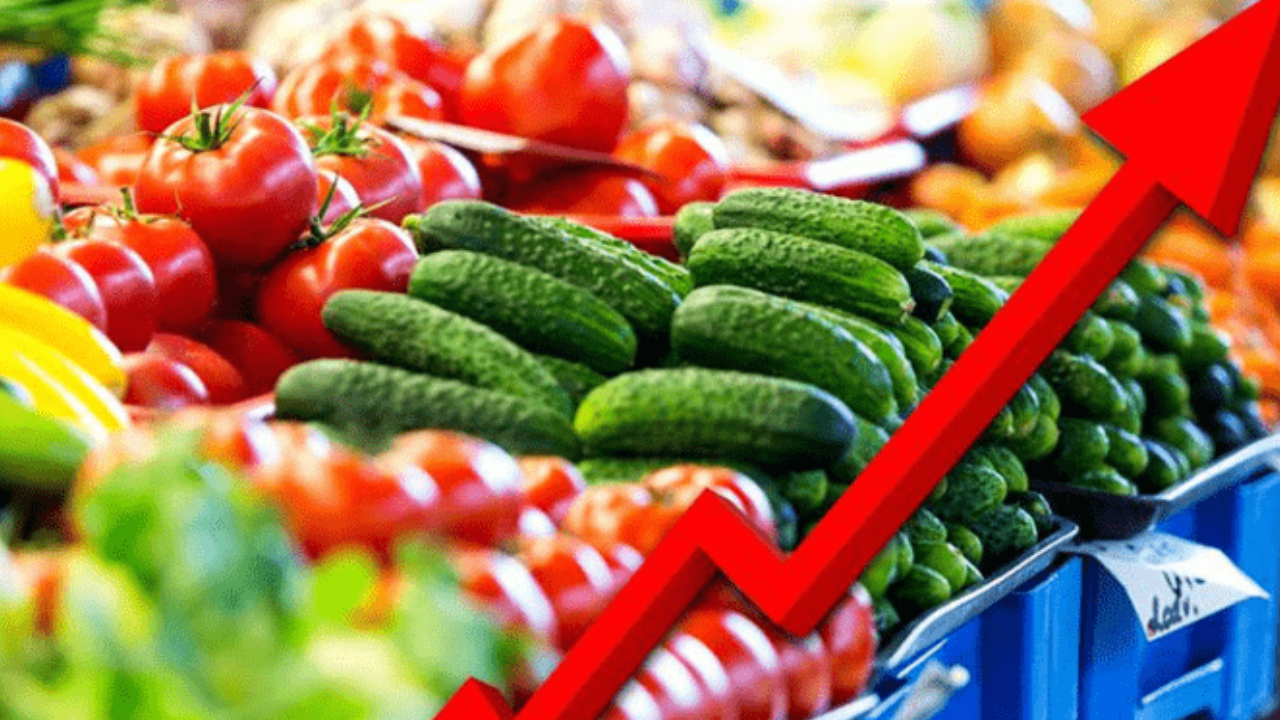
Nigeria’s inflation rate dropped for the second consecutive month, falling to 32.15% in August 2024 from 33.40% in July, according to the National Bureau of Statistics (NBS).
While the dip offers some relief, analysts warn that rising food and core inflation continue to weigh heavily on household finances.
Economist Emmanuel Akpan views the decline as “a positive sign,” attributing the moderation to temporary factors, such as the recent stabilization in fuel prices. However, he expressed concern over the sustainability of the trend, particularly with food inflation soaring at 37.52%.
“This affects the purchasing power of the average Nigerian,” Akpan added, emphasizing that despite the decline in headline inflation, the outlook remains grim for many families.
Core inflation, which excludes volatile items like food and energy, increased to 27.58%, reflecting sustained cost pressures in critical areas such as housing, transportation, and healthcare.
READ ALSO: Inflation figures under Nigerian Presidents 1999 – 2024
Financial analyst Tola Adeyemi pointed out that rent, bus fares, and medical consultation fees have surged, driving core inflation higher. “There’s still underlying pressure on rent, transportation, and medical services that could push inflation up again,” Adeyemi said.
The urban inflation rate stood at 34.58%, highlighting the heightened cost of living in cities, while rural inflation was recorded at 29.95%. Despite being slightly lower, the rural inflation rate underscores the economic strain in Nigeria’s countryside.
The government’s decision to remove fuel subsidies earlier in the year significantly contributed to inflationary pressures across multiple sectors. While fuel prices have stabilized, the broader economic impact persists, particularly in transportation, where costs remain elevated.
Food inflation, one of the most pressing concerns, rose by 8.18 percentage points year-on-year, reaching 37.52% in August 2024, compared to 29.34% in August 2023.
READ ALSO: Food inflation has declined massively – Bayo Onanuga
Basic foodstuffs such as yams, rice, and palm oil have become prohibitively expensive for many Nigerians, disproportionately affecting the most vulnerable populations.
Adeyemi warned that food price inflation poses a severe threat to household spending. “When food prices remain high, it limits disposable income for other essentials like education and healthcare, and drives wage pressures, which could further fuel inflation.”
The rise in healthcare costs is also alarming. According to financial analyst Bimpe Adesina, rising medical fees, laboratory services, and general healthcare costs are becoming unaffordable for many families, further exacerbating social instability.
“With healthcare becoming a luxury, access to essential services is increasingly restricted,” Adesina warned.
Analysts like Adesina also see core inflation as a more reliable long-term indicator. “The persistence of high core inflation suggests underlying structural issues in the economy—poor infrastructure, high business costs—that need to be addressed if lower headline inflation is to be sustained.”
While Nigeria’s inflation has shown some moderation, these persistent pressures indicate that economic relief may be fleeting without structural reforms to tackle the root causes of inflation across key sectors.


-
 Latest6 days ago
Israel marks 3 years since October 7 Hamas attack amid Gaza strikes, election debate
-

 Energy6 days ago
Fuel Battle: Dangote, marketers and government clash over petrol imports
-

 Energy1 week ago
Petrol, diesel prices rise 86% in 2026 as costs hit fresh highs
-

 Football7 days ago
Nigeria’s World Cup exit under spotlight as FIFA’s DR Congo files emerge
-

 Energy1 week ago
Has Iran lost control of the Strait of Hormuz? Oil flows rebound as war disruptions persist
-

 Latest7 days ago
US Court set to rule on release of FBI, DEA records on Tinubu
-

 Latest17 hours ago
Full List: Meet the 2026 Nobel Prize winners across six categories
-

 Business7 days ago
Nigerian investors at a crossroads as fixed-income yields slide