
Business
Nigeria’s inflation eases in July as food harvest, base effect drive decline

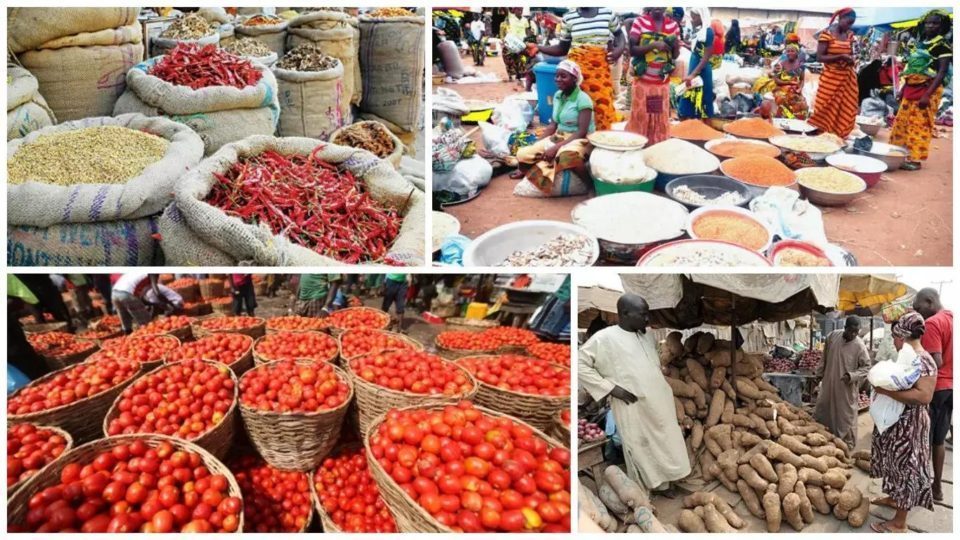
Nigeria’s headline inflation rate slowed marginally to 21.88% in July 2025, marking a modest decline from the 22.22% recorded in the previous month, according to the latest figures released by the National Bureau of Statistics (NBS).
The year-on-year data shows a significant drop of 11.52 percentage points when compared to July 2024, when inflation peaked at 33.40%.
The NBS attributed this decline in part to a favorable base effect, using the November 2009 base year as a benchmark for comparison.
“This shows that the headline inflation rate (year-on-year basis) decreased in July 2025 compared to the same month in the preceding year (i.e., July 2024), though with a different base year, November 2009 = 100,” the NBS stated in its report.
READ ALSO: School fees, rent, and rice: Surviving Nigeria’s triple inflation punch
However, on a month-on-month basis, price pressures remain persistent. The inflation rate rose by 1.99% in July 2025, up from 1.68% recorded in June 2025 — an increase of 0.31 percentage points.
This indicates that the rate of increase in average price levels was slightly higher in July than in the preceding month.
Meanwhile, the 12-month average change in the Consumer Price Index (CPI) stood at 25.65%, showing a 5.11 percentage point reduction compared to the 30.76% recorded in the same period last year.
The NBS report also highlighted disparities between urban and rural inflation figures. Urban inflation stood at 22.01% in July 2025, a sharp drop of 13.76 percentage points from 35.77% in July 2024.
Rural inflation figures are yet to be fully disclosed, but the general trend suggests a nationwide moderation in price growth.
Analysts say a combination of seasonal factors and macroeconomic adjustments are influencing the recent inflation trajectory.
Professor David Adonri, Vice Chairman of Highcap Securities, noted that the ongoing harvest of staple crops such as maize, yam, and cassava is helping to improve food supply, thus easing some of the upward pressure on prices.
“Food availability is improving in many parts of the country due to ongoing harvests. This should continue to stabilize market prices in the short term,” Adonri explained.
Additionally, moderating energy costs may have contributed to the easing inflation, though structural issues — such as logistics inefficiencies, foreign exchange volatility, and security concerns — continue to exert pressure on the overall price environment.
Despite the modest retreat, analysts caution that inflation remains elevated and could stay stubbornly high in the coming months without sustained economic and policy reforms.












-

 Latest6 days ago
US Immigration fees rise from October 16 as USCIS announces new charges
-
 Latest23 hours ago
Israel marks 3 years since October 7 Hamas attack amid Gaza strikes, election debate
-

 Business6 days ago
Nigeria’s $55bn reserves raise fresh questions over naira value
-

 Health5 days ago
Florida sues Pfizer over deceptive COVID-19 vaccine marketing
-

 Business7 days ago
Tuoyo Erikowa wins digital marketing personality of the Year at 2026 EDGE awards
-

 Crime5 days ago
From camp to captivity: How kidnappers now target NYSC Corps members on highways
-

 Featured6 days ago
2027: Can Nigeria’s opposition still unite behind a single presidential candidate?
-

 Crime5 days ago
Fulani Militia leader linked to Christian killings arrested in Plateau