
Comments and Issues
School fees, rent, and rice: Surviving Nigeria’s triple inflation punch

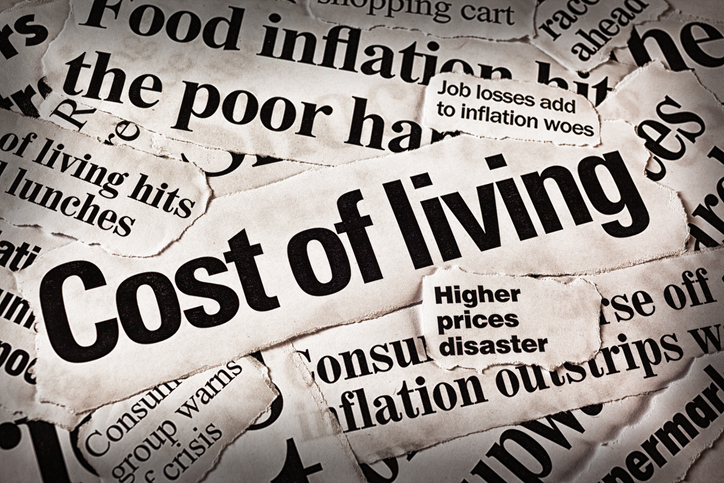
At 6:00 a.m. on a Tuesday morning, Mrs. Bisi Adekoya is already dressed for work, but her mind is elsewhere — crunching numbers. School resumes in two weeks, and her two children’s fees have doubled since last year. Rent is also due. And then there’s rice — a once-affordable staple now tasting like luxury.
“We used to buy a bag of rice for ₦35,000. It’s now ₦80,000,” she said, her voice edged with fatigue. “School fees are up, rent is up. Even salary never go up.”
Across Nigeria, middle-income families — often perceived as the “comfortable class” — are facing a silent crisis. Inflation is no longer just a number in a government report; it is a daily battle for survival, especially for those earning between ₦150,000 to ₦400,000 per month.
Three Fronts of Financial Fire
1. School Fees: Education Becoming Elitist
Private schools, once the pride of Nigeria’s growing middle class, are now outpricing the very people they were created for. With the rise in cost of diesel, learning materials, and imported books, school owners say they have no choice.
“We increased fees by 40% this term just to break even,” said Mr. Chidi, an administrator at a secondary school in Lagos. “We lost over 25 students last term due to parents withdrawing.”
In Abuja, some parents are even resorting to home-schooling or “downgrading” to more affordable schools, disrupting children’s stability and learning progress.
2. Rent: The Landlord is Not Smiling
In urban centers like Lagos, Ibadan, and Port Harcourt, landlords are adjusting rents to meet their own inflation burdens. For many tenants, renewal notices now feel like eviction threats.
ALSO READ: Nigeria’s season of petty politics, poor governance
“My landlord added ₦300,000 to my rent in Ikorodu,” said Taiwo, a bank worker. “I had to borrow part of it. And I still have school fees pending.”
3. Food: The New Class Divider
Rice, garri, oil, and bread — once staples of the average Nigerian diet — have seen shocking price hikes. Market traders say even well-dressed customers now bargain like hawkers.
“Someone in suit came to price 3 cups of rice. I was shocked,” said Mama Uche, a trader in Mile 12. “People no get shame again — hunger dey humble everybody.”
The Emotional Toll
Many middle-class breadwinners are facing not just financial strain, but mental burnout. The pressure to “appear okay” while privately struggling is becoming unsustainable.
“I’ve stopped going to some social events,” said Chinyere, a single mother of three. “You can’t explain to people that you can’t afford aso-ebi because you need to buy books.”
Even couples are fighting more. Children are noticing the tension. The “middle-class dream” — once anchored in education, dignity, and gradual progress — is now being hollowed out by survival math.
Economists warn that if middle-class erosion continues, the country risks wider instability.
“The middle class is the buffer between the rich and poor. When they collapse, social tension rises,” said Prof. Rauf Okon of UNILAG. “The government must tackle inflation with urgency.”
Nigeria’s inflation crisis is not just an economic issue — it’s a human story. A story of mothers skipping meals so kids can go to school. Of fathers doing ride-hailing jobs after office hours. Of families slowly watching their aspirations shrink to survival.
And yet, amid the hardship, there is resilience. Nigerians are adapting, adjusting, and — somehow — still hoping. Because in this country, hope remains the one thing no inflation can touch.


-

 Featured3 days ago
BREAKING NEWS: Shouts of joy rock the world as Pastor Chris opens final Healing Streams edition for 2026
-

 Football4 days ago
Man United shortlist Emery, Nagelsmann as potential replacements for Carrick
-

 Business4 days ago
Hoodlums raid JED Benue office, abduct 10 staff over power dispute
-
 Business7 days ago
Naira faces exchange rate gap as Dollar hits N1,380 on parallel market
-

 Football4 days ago
Aston Villa ready to freeze out Garnacho to avoid £43m Chelsea transfer
-

 Business4 days ago
EV adoption: Roxettes seeks cheaper financing, local manufacturing incentives
-

 Latest3 days ago
Akpabio tasks Tompolo-backed movement with spreading Tinubu’s renewed hope message
-

 Business2 days ago
How Ethiopian Airlines is challenging Africa’s aviation narrative through self-reliance