
Business
Office of NSA, CBN, EFCC, others to go after FX speculators

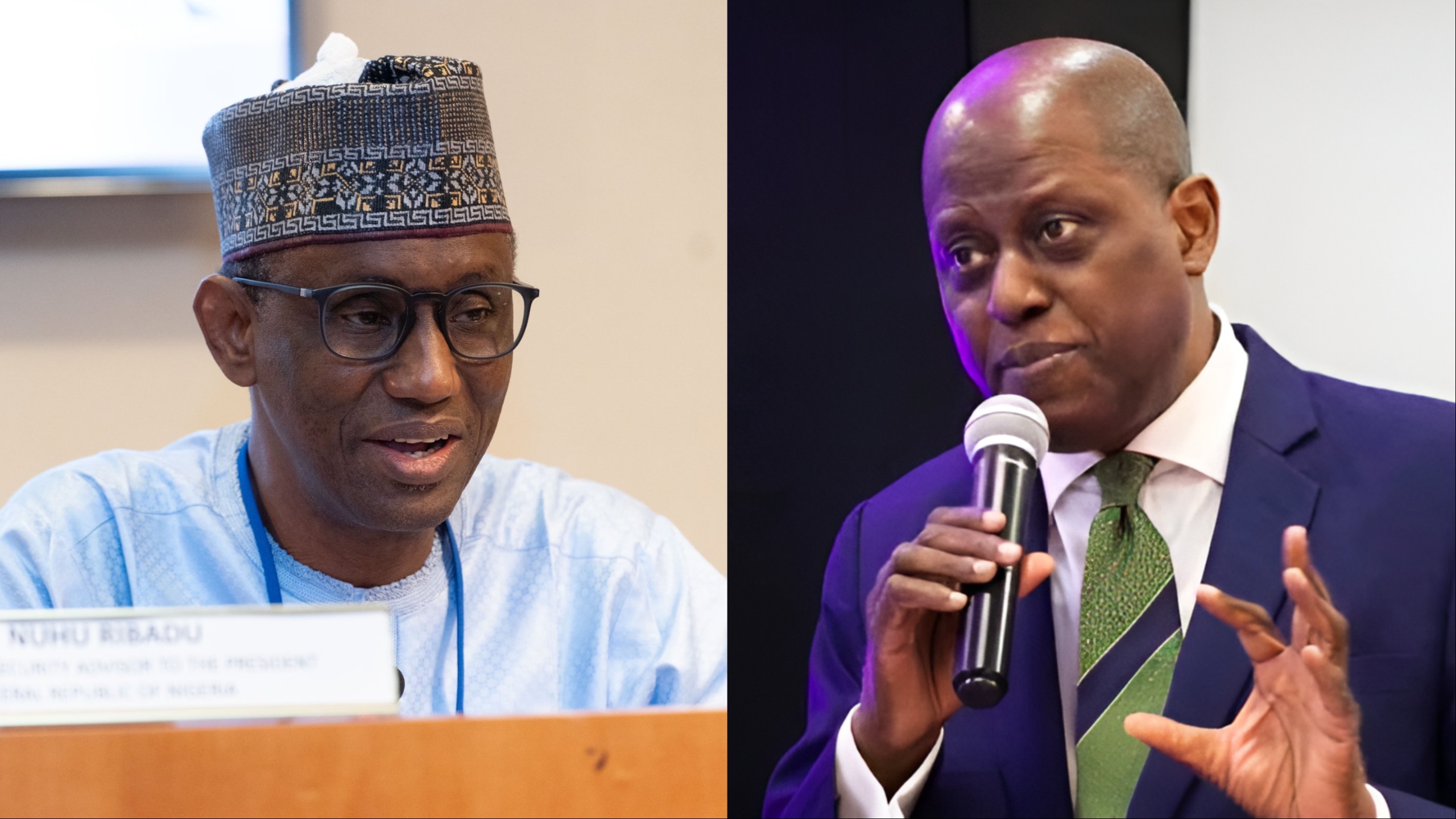
The National Security Adviser’s Office, led by Nuhu Ribadu, in collaboration with the Central Bank of Nigeria (CBN), has initiated a joint effort to combat forex speculation and tackle the issues affecting the country’s economic stability.
In a statement on Tuesday, a spokesperson for Ribadu’s office, Zakari Mijinyawa, the partnership is set to include coordinated actions with leading law enforcement agencies such as the Nigeria Police Force (NPF), the Economic and Financial Crimes Commission (EFCC), the Nigeria Customs Service (NCS), and the Nigeria Financial Intelligence Unit (NFIU).
Mijinyawa pointed out that the activities of speculators, operating both domestically and internationally through different mechanisms, have played a significant role in the naira’s depreciation, thereby exacerbating inflation and leading to economic instability in Nigeria.
Mijinyawa noted that this cooperative endeavor signals the Federal Government’s serious intent to improve its Anti-Money Laundering and Counter Financing of Terrorism (AML/CFT) policies, aiming to clear its name from the grey list of the Financial Action Task Force.
He said: “Recent intelligence reports have highlighted continued illicit activities within the Nigerian foreign exchange market, the ONSA and CBN are therefore embarking on this collaborative approach to tackle these infractions.
READ ALSO: CBN stops foreign oil companies from remitting 100% of forex proceeds abroad
“This partnership will involve a coordinated effort with key law enforcement agencies, including the Nigeria Police Force (NPF), the Economic and Financial Crimes Commission (EFCC), the Nigeria Customs Service and the Nigeria Financial Intelligence Unit (NFIU).
“The primary objective of this alliance is to systematically identify, thoroughly investigate and appropriately penalise individuals and organizations involved in wrongful activities within the FX market.
“By leveraging the expertise of these agencies, we aim to deter malicious practices, protect investor interests, and promote sustainable economic growth.”
The unification of forex windows by President Tinubu-led government in mid-2023 led to a significant fall of the Naira against the Dollar foreign exchange rate market, which doubled from about N700/$1 to a historic high of over N1,500/$1.
The Governor of the Central Bank of Nigeria (CBN), Yemi Cardoso, has attributed the significant foreign exchange challenges facing Nigeria to the substantial amounts spent on foreign education and medical tourism.
In a presentation to the House of Representatives, Cardoso revealed that around $40 billion has been invested in these sectors, contributing to the Naira’s depreciation to over N1,400 in the official market.
To address the forex scarcity and protect the Naira’s value, the CBN has revised the operations of International Money Transfer Operators (IMTOs), restricting them to inbound transfers only and mandating that international transfers be paid out in Naira.









-

 Business1 week ago
Dangote Refinery IPO: 70% Subscription claim meets fourfold demand assertion as investors seek clarity
-
 Featured4 days ago
Inside INEC’s race to prepare for Nigeria’s 2027 elections
-

 Latest6 days ago
UCTH faces morgue crisis as 50 unclaimed corpses await mass burial
-
 Featured4 days ago
2027: APC unveils nationwide campaign timetable, Tinubu to rally in 12 states
-

 Business6 days ago
BREAKING: Nigeria’s Inflation Rate Drops to 14.63% in September
-

 Aviation1 week ago
Germany opens online application route for student, EU Blue Card and other long-stay visas
-
 Business4 days ago
Court dismisses ₦170m Trade Fair contract claim, says Zenith Bank was not a party
-
 Business5 days ago
President Tinubu and the Low Transport Fares Fiasco