
Energy
Oil climbs to $46.80/barrel, experts predict further rise in prices

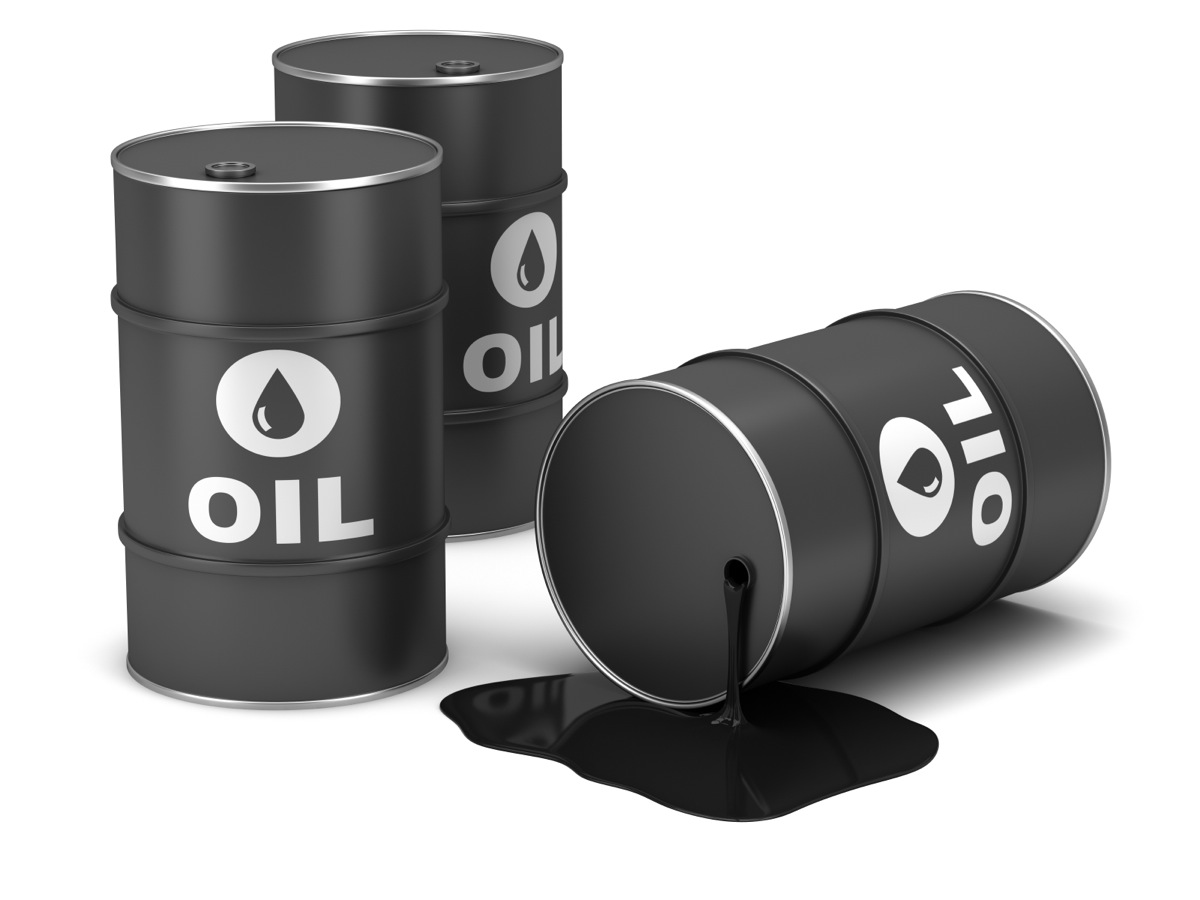
Oil prices on Monday, July 10 climbed to $46.80/barrel after losing a 3 per cent fall in the previous session.
Despite Brent prices staying below the 17 per cent its 2017 opening, traders said the higher prices reflected opportunistic buying following Friday’s steep fall.
ANZ bank said on Monday that the market “continued to focus on the increasing (U.S.) drilling activity and higher production.”
U.S. energy firms added seven oil drilling rigs last week, marking a 24th week of increases out of the last 25 and bringing the total count up to 763, the most since April 2015, Baker Hughes energy Services Company said on Friday.
The rising U.S. output comes as supplies from OPEC also remain ample despite a pledge by the group to cut production between January this year and March 2018.
OPEC exported 25.92 million barrels per day (bpd) in June, 450,000 bpd more than in May and 1.9 million bpd more than a year earlier, Reuters said.
ALSO SEE: Niger Delta: Militants to resume attacks on oil facilities
Meanwhile the rising oil demand and reduced supply from the Organization of the Petroleum Exporting Countries, OPEC, could push crude prices up to $60 a barrel before the end of the year, according to a report from Barron’s.
The report cites research from Citigroup senior energy analyst Eric Lee, who previously called for a bear market in oil when the price was above $100. The decline in recent weeks to a low of just over $44 for Brent crude LCOc1, the international benchmark, has made Lee a short-term bull, Barron’s notes.
Lee projects demand of 97.3 million barrels a day in 2017, a record high, up from 96 million in 2016, driven largely by emerging market countries such as China and India. Simultaneously, reduction in supply from OPEC of about 0.7 million barrels a day versus the 2016 average should drive the price up before the end of the fourth quarter.
Lee notes that oil speculators ignored details of OPEC’s agreement, which ordered cuts to begin at the end of 2016 rather than when the accord was announced. That allowed participants to ramp up production during negotiations, which meant the cuts were struck from a higher base, Reuters reports.
As for supply from the United States, Lee says continued pumping by producers will keep prices from skyrocketing back towards $100 a barrel, but their presence is unlikely to prevent an upward move in oil for the remainder of the year.
Following the jump to $60 Lee expects prices to remain flat heading into 2018, as the supply side catches up with demand. Barring major political disruptions from petroleum-producing nations, he expects the price of crude probably will not rise much above $60.




-

 Featured1 week ago
Inside INEC’s race to prepare for Nigeria’s 2027 elections
-

 Featured1 week ago
2027: APC unveils nationwide campaign timetable, Tinubu to rally in 12 states
-
 Business5 days ago
Naira faces exchange rate gap as Dollar hits N1,380 on parallel market
-

 Business1 week ago
Court dismisses ₦170m Trade Fair contract claim, says Zenith Bank was not a party
-
 Latest1 week ago
Breaking: NNPCL raises petrol price to ₦1,405 per litre amid discount controversy
-

 Featured1 week ago
From kitchen to Supreme Court: Nigerian’s fight over alleged support for terrorists
-

 Football1 week ago
Maresca reveals Guardiola’s reaction to Man City’s 4-2 defeat to PSG
-

 Business7 days ago
NCC launches Internet Governance Working Group to tackle AI risks, boost online safety