
Energy
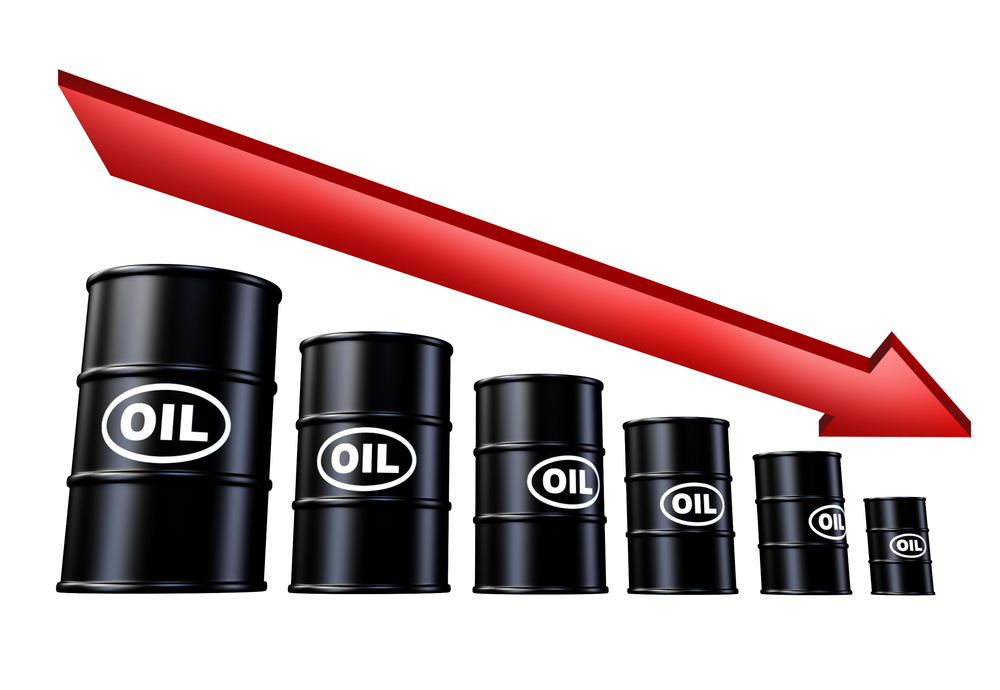
Oil prices surge as outages balance trade dispute


Oil prices jumped on Tuesday, June 26, driven by Canadian production losses and uncertainty over Libyan exports, but under pressure from climbing OPEC supply and intensifying trade conflicts between the United States and other major economies.
Benchmark Brent crude LCOc1 was up 35 cents at $75.08 a barrel by 0910 GMT. U.S. light crude CLc1 was 30 cents higher at $68.38 a barrel.
Brent, which tends to reflect global supply and demand, was driven up by uncertainty around oil exports by Libya, a member of the Organization of the Petroleum Exporting Countries.
Eastern Libyan commander Khalifa Haftar’s forces have given control of oil ports to a separate National Oil Corporation (NOC) based in the country’s east.
The official state-owned oil company from the capital Tripoli, also called NOC, will no longer be allowed to handle that oil, he said.
“The move increases the risk that Libyan oil output will be shut in as the NOC in Tripoli is the only legal entity with the right to sell oil,” said Sukrit Vijayakar, director of energy consultancy Trifecta.
Production problems at one of Canada’s largest oil sands facilities drove front-month U.S. crude to its highest premium above second-month futures since 2014.
Higher feedstock crude oil prices, as well as surging fuel exports from China, have pulled down Asian refinery product margins to two-year lows.
Uncertainty over Libya’s exports follows a move by OPEC and other oil producers to increase supply by around 1 million barrels per day (bpd).
Oil markets have tightened significantly since 2017, when OPEC and its partners started withholding supply to prop up slumping prices at the time.
But some analysts think oil markets will stay tight.
“Despite the OPEC agreement (last week) we believe that tight supply is likely to drive oil prices higher during 2018,” said Jason Gammel of U.S. investment bank Jefferies.
Bank of America Merrill Lynch (BoAML) said Brent could rise to $90 a barrel by the second quarter of 2019.
But BoAML said the effects of the global trade dispute between the United States and major other economies including the European Union and China were gradually taking effect.
In a sign of what may lie ahead for economic growth, the escalating trade fight has already led to sharp sell-offs in stock markets, especially in Asia.




-

 Business1 week ago
Dangote Refinery IPO: 70% Subscription claim meets fourfold demand assertion as investors seek clarity
-

 Featured4 days ago
Inside INEC’s race to prepare for Nigeria’s 2027 elections
-

 Latest7 days ago
UCTH faces morgue crisis as 50 unclaimed corpses await mass burial
-

 Featured4 days ago
2027: APC unveils nationwide campaign timetable, Tinubu to rally in 12 states
-

 Business6 days ago
BREAKING: Nigeria’s Inflation Rate Drops to 14.63% in September
-

 Aviation1 week ago
Germany opens online application route for student, EU Blue Card and other long-stay visas
-

 Business5 days ago
President Tinubu and the Low Transport Fares Fiasco
-
 Business4 days ago
Court dismisses ₦170m Trade Fair contract claim, says Zenith Bank was not a party