
Energy
Oil extends losses as OPEC, Russia look to raise output

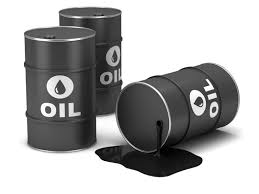
Oil prices extended losses on Monday as Saudi Arabia and Russia said they may increase supplies while U.S. production gains show no signs of slowing.
Brent crude futures (LCOc1) stood at $75.39 a barrel at 1208 GMT, down $1.05 from the previous close and after touching a three-week low of $74.49 earlier in the session.
U.S. West Texas Intermediate (WTI) crude futures were at $66.85, down $1.03, after hitting a six-week low of $65.80.
The spread between the two contracts (CL-LCO1=R) reached $9.38 a barrel, its widest since March 2015.
The Organization of the Petroleum Exporting Countries (OPEC) and other producers led by Russia began withholding 1.8 million barrels per day (bpd) of supplies in 2017 to tighten the market and prop up prices that in 2016 fell to their lowest in more than a decade at less than $30 a barrel.
Prices have soared since the start of the cuts last year, with Brent breaking through $80 this month, triggering concerns that high prices could crimp economic growth and stoke inflation.
“The pace of the recent rise in oil prices has sparked a debate among investors on whether this poses downside risks to global growth,” Chetan Ahya, chief economist at U.S. bank Morgan Stanley, wrote in a weekend note.
To address potential supply shortfalls Saudi Arabia, de-facto leader of producer cartel OPEC, and top producer Russia have been in talks about easing the cuts and raising oil production by 1 million bpd.
Russian energy minister Alexander Novak said that a return to October 2016 production levels, the baseline for the current supply pact, is one of the options for easing curbs.
“Given that our crude balance is short some 825,000 bpd over [the second half of the year], a gradual increase of about 1 million bpd would probably limit stock draws to quite some extent,” Vienna-based consultancy JBC Energy said.
Meanwhile, surging U.S. crude production showed no sign of abating as drillers continue to expand their search for new oilfields to exploit.
U.S. energy companies added 15 rigs looking for new oil in the week ending May 25, bringing the rig count to 859, its highest since 2015, in a strong indication that American crude production will continue to rise.
U.S. crude output (C-OUT-T-EIA) has already surged by more than 27 percent in the past two years, to 10.73 million bpd, ever closer to Russia’s 11 million bpd.
Continue Reading


-

 Business1 week ago
Dangote Refinery IPO: 70% Subscription claim meets fourfold demand assertion as investors seek clarity
-

 Featured4 days ago
Inside INEC’s race to prepare for Nigeria’s 2027 elections
-

 Featured4 days ago
2027: APC unveils nationwide campaign timetable, Tinubu to rally in 12 states
-

 Latest7 days ago
UCTH faces morgue crisis as 50 unclaimed corpses await mass burial
-

 Business7 days ago
BREAKING: Nigeria’s Inflation Rate Drops to 14.63% in September
-

 Aviation1 week ago
Germany opens online application route for student, EU Blue Card and other long-stay visas
-

 Business6 days ago
President Tinubu and the Low Transport Fares Fiasco
-
 Business4 days ago
Court dismisses ₦170m Trade Fair contract claim, says Zenith Bank was not a party