
Business
Spiritual marketing: Researcher urges businesses to prioritise people over profit

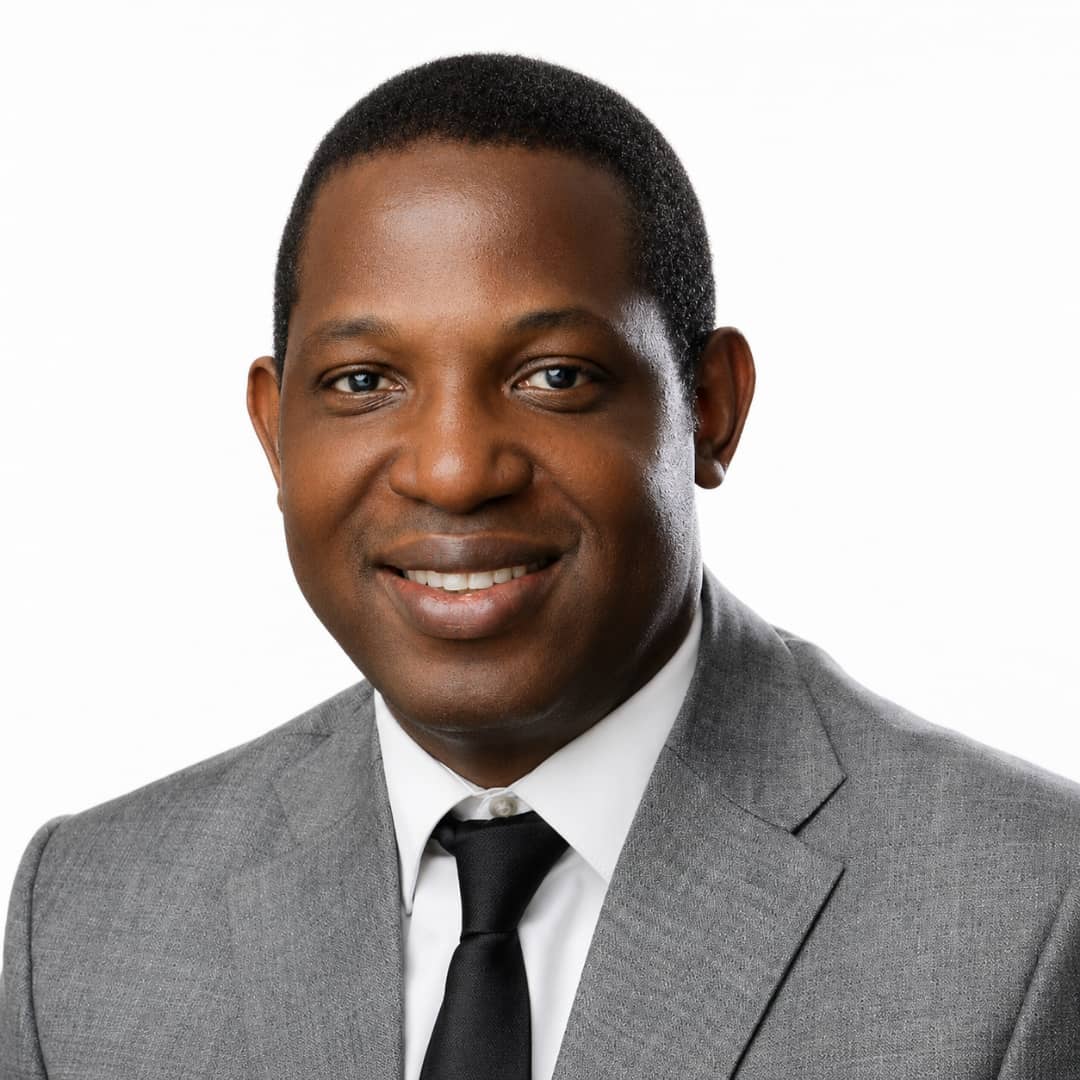
As businesses gain greater access to consumer data and increasingly sophisticated tools to influence purchasing decisions, marketing researchers are advocating an approach that places human dignity, purpose and responsible value creation at the centre of commercial activities.
The approach, known as Spiritual Marketing, challenges businesses to look beyond sales figures and consider the impact of their products, services and marketing strategies on customers, employees and society.
Oluwafemi Adeniba, one of the researchers advancing the concept, said Spiritual Marketing was neither about selling religion nor abandoning conventional marketing principles, but about “creating value without losing our humanity.”
According to Adeniba, the concept encourages businesses to view customers as people with individual needs, aspirations, financial circumstances and expectations, rather than treating them merely as sources of revenue.
He argued that while conventional marketing focuses on persuading consumers to choose a product or service, Spiritual Marketing raises deeper questions about the purpose of business decisions, their consequences and the value they create.
The researcher said the approach was particularly relevant in an era when artificial intelligence, data analytics and digital technologies enable companies to identify consumer preferences, fears and vulnerabilities.
He maintained that the ability to influence purchasing decisions should not automatically justify exploiting consumers’ weaknesses.
For instance, a financial institution may use customer data to identify people likely to accept loans. However, a Spiritual Marketing approach would require the institution to consider whether the loan suits the customer’s financial circumstances and whether the terms and implications are properly understood.
READ ALSO; Anietie Udoh wins Creative Marketing Professional of the Year
The objective, Adeniba explained, should be to ensure that transactions benefit customers rather than merely generate revenue for businesses.
He also introduced the concept of “Spiritual Capital”, which encompasses moral, social, cultural and human assets, including trust, credibility, relationships, knowledge and goodwill.
According to him, businesses that prioritise short-term profits while neglecting these intangible assets risk undermining their long-term sustainability.
He noted that organisations could achieve financial targets while damaging employee welfare, weakening customer relationships and eroding public confidence.
Workplace culture, therefore, remains central to the framework.
“You cannot consistently give customers an experience that your employees don’t experience themselves,” Adeniba said, highlighting the connection between employee treatment and customer satisfaction.
He argued that employees who experience fairness, dignity, trust and a sense of purpose are better positioned to extend those values to customers.
The concept also has practical implications for Nigerian businesses, particularly in competitive markets where trust and personal recommendations influence purchasing decisions.
For example, an appliance retailer could recommend a refrigerator based on a customer’s budget, household size and electricity supply rather than simply pushing the most expensive model.
Such an approach, Adeniba suggested, allows businesses to remain profitable while building lasting customer relationships.
Ultimately, Spiritual Marketing challenges businesses to measure success not only through revenue but also by assessing customer welfare, employee development, ethical conduct and community impact.
The framework proposes a shift from transactions to relationships and, ultimately, responsible stewardship, urging businesses to consider not just how effectively they persuade consumers, but the purpose and consequences of that influence.


-

 Featured6 days ago
Nigeria’s youth unemployment paradox: Graduates struggle as millions survive in informal jobs
-

 Business6 days ago
Nigerian Banks earn N521.8bn from E-banking, card fees in nine months
-

 Energy6 days ago
Nigeria’s power crisis deepens as ₦639bn unpaid gas debt threatens electricity supply
-

 Latest6 days ago
Dalung claims ‘message from Buhari’s grave’ urges Nigerians to vote Atiku in 2027
-
 Featured5 days ago
Tinubu’s Renewed Hope: Reforms, hardship and the unanswered question of a second term
-

 Business1 week ago
GTCO fashion weekend: As fashion evolves, Nigerian men are rewriting the rules of style
-

 Featured4 days ago
The cost of Renewed Hope: How Nigeria’s economic reforms are reshaping everyday family life
-

 Latest6 days ago
Ondo shuts ponmo processing centre after discovery of human waste