
Latest
State police could undermine democracy, Buba Galadima warns

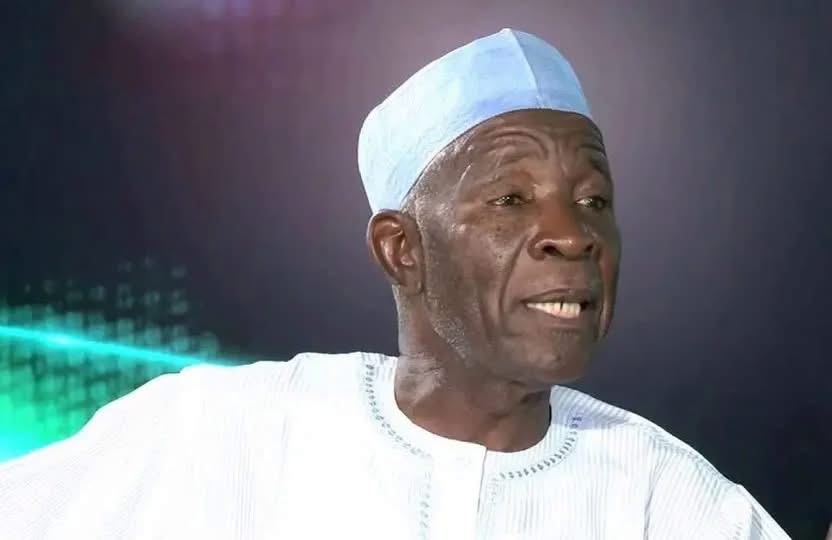
Elder statesman and opposition figure Buba Galadima has warned that the proposed establishment of state police could pose a serious threat to Nigeria’s democracy, arguing that governors may use the new security structure to intimidate political opponents rather than tackle insecurity.
Galadima made the remarks at an opposition gathering in Abuja amid growing national debate over a constitutional amendment bill before the National Assembly seeking to empower Nigeria’s 36 states to establish their own police forces.
According to him, the current push for state policing is politically motivated and comes at a sensitive period as preparations for the 2027 general elections gather momentum.
He questioned the rationale behind creating state police when existing federal security agencies are still battling widespread insecurity across the country.
“They are introducing state police not to secure Nigerians, but to disrupt upcoming elections and kill our democracy,” Galadima said. “If the heavily equipped federal police and the entire Nigerian military apparatus are struggling to solve insecurity, what magic will state police perform? The reality is that the presidency and sitting governors want to use state police as glorified political thugs.”
Galadima expressed concern that state police commissioners would ultimately answer to state governors, making the proposed system vulnerable to political interference and abuse of power.
The debate over state policing has intensified in recent months, with supporters arguing that decentralizing law enforcement would improve response times to security threats and enable governors, who are constitutionally regarded as chief security officers of their states, to better protect lives and property.
However, critics have raised concerns over the absence of strong constitutional safeguards to prevent abuse. They argue that state-controlled police forces could be deployed to suppress political opposition, intimidate journalists and civil society groups, and influence electoral processes.
Galadima also questioned whether many states possess the financial capacity to establish and sustain independent police formations, noting that most state governments rely heavily on federal allocations to meet their basic obligations.
He urged opposition parties and civil society organisations to remain vigilant as discussions on the bill continue, insisting that any reform of Nigeria’s policing system must prioritize accountability, professionalism, and the protection of democratic institutions.
The proposed state police legislation remains under consideration as lawmakers continue consultations with stakeholders across the country. If approved, it would mark one of the most significant changes to Nigeria’s security architecture since the return to democratic rule in 1999.


-

 Business7 days ago
Dangote Refinery IPO: 70% Subscription claim meets fourfold demand assertion as investors seek clarity
-
 Latest1 week ago
Umahi defends Lagos-Calabar highway route changes amid public outcry
-
Business1 week ago
Dangote Refinery IPO Extension: Was the 70% subscription report overhyped?
-
 Featured3 days ago
Inside INEC’s race to prepare for Nigeria’s 2027 elections
-

 Latest6 days ago
UCTH faces morgue crisis as 50 unclaimed corpses await mass burial
-
 Featured3 days ago
2027: APC unveils nationwide campaign timetable, Tinubu to rally in 12 states
-

 Business5 days ago
BREAKING: Nigeria’s Inflation Rate Drops to 14.63% in September
-
 Featured1 week ago
El-Rufai, ADC governorship candidate’s court appearance puts Kaduna opposition politics in focus