
Comments and Issues
Surviving the economic heat: Creative ways Nigerians are coping with rising living costs

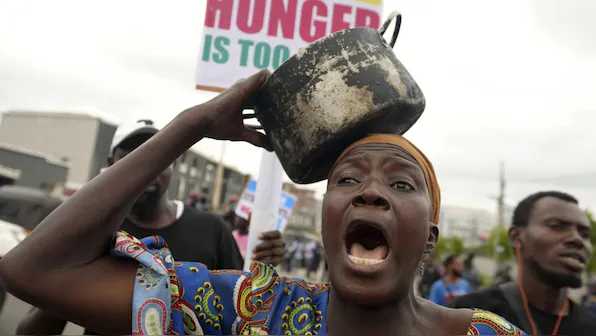
On the bustling streets of Lagos, life starts before dawn. For many Nigerians, the early start isn’t by choice — it’s survival. With food prices skyrocketing, fuel costs unstable, and the naira struggling, households across the country are being forced to adapt, innovate, and endure.
The phrase “cut your coat according to your cloth” has never been more relevant.
Nigeria’s inflation rate hit record highs in 2025, pushing even middle-class families into financial distress. The prices of staples such as rice, garri, and cooking gas have more than doubled in the past year. Rent, school fees, and transport costs are rising steadily, while salaries remain stagnant.
“We used to buy a bag of rice for ₦25,000, now it’s over ₦85,000. I had to remove rice entirely from our menu,” says Mrs. Fisayo Adekunle, a caterer and single mother of three in Ibadan. “We now eat yam flour and okro soup—it’s cheaper and filling.”
But while the struggle is real, so is the Nigerian spirit of adaptation. Across cities and rural communities, citizens are finding creative ways to cope, support one another, and stretch every naira.
For many Nigerians, a second income is no longer optional. From digital freelancing and remote customer service to hair braiding and food vending, side gigs have become a vital lifeline.
“I work 9 to 5, but I sell thrift clothes online in the evenings,” shares Ugochukwu James, a customer support agent in Port Harcourt. “My salary alone can’t cover electricity, transportation, and my mom’s medication.”
Platforms like WhatsApp, Instagram, and TikTok have become virtual marketplaces, with hashtags like #sidehustleNigeria trending weekly.
Another survival tactic gaining traction is cooperative buying. Families and neighbours now contribute funds to buy food in bulk — bags of rice, kegs of palm oil, cartons of noodles — which are then divided among contributors.
ALSO READ: Dangote Refinery slashes petrol price to N820/litre, expands market reach
“We started our street food cooperative during COVID-19, and it has grown stronger with inflation,” says Toyin Alade, who coordinates a 20-woman buying group in Akure. “It saves us money and builds unity.”
With fuel prices climbing, transportation has become a major pain point. Many workers now rely on carpooling, bike hailing apps, or even cycling to reduce commuting costs. Some have adopted hybrid work patterns — working from home two or three times a week — to cut transport bills.
“I now trek halfway to work and take a bike for the rest. It’s tiring, but it saves ₦500 daily,” says Emeka Okoye, a school teacher in Onitsha.
More families are embracing home gardening — growing vegetables, pepper, and okra in backyards or on balconies. Others are ditching bottled water for boiled tap water, reusing cooking oil, and repurposing old clothes instead of buying new ones.
“We now raise chickens in our backyard and grow tomatoes in plastic containers,” says Hauwa Bello, a civil servant in Kaduna. “It may sound small, but it helps us eat without panic.
Behind the innovation and resilience, there is a heavy emotional toll. Rising depression, anxiety, and burnout are being reported by psychologists and NGOs. Mental health remains a largely unspoken casualty of Nigeria’s economic crisis.
“People are suffering in silence, especially men who feel pressured to provide,” says Dr. Ifeanyi Odili, a clinical psychologist in Lagos. “Survival is taking all their energy.”
With elections behind and economic reforms underway, citizens are hoping for policies that bring genuine relief. But until wages match reality, Nigerians will continue to lean on creativity, community, and courage.
“We are managing, because giving up is not an option,” says Fisayo Adekunle. “This hardship will not last forever. We just pray we survive long enough to see the change.”
In the face of soaring prices and shrinking incomes, Nigerians are not just enduring—they’re evolving. With each new day, they prove that survival is not just about what you earn, but how ingeniously you live.


-

 Featured1 week ago
Inside INEC’s race to prepare for Nigeria’s 2027 elections
-

 Featured1 week ago
2027: APC unveils nationwide campaign timetable, Tinubu to rally in 12 states
-
 Business5 days ago
Naira faces exchange rate gap as Dollar hits N1,380 on parallel market
-

 Business1 week ago
Court dismisses ₦170m Trade Fair contract claim, says Zenith Bank was not a party
-
 Latest1 week ago
Breaking: NNPCL raises petrol price to ₦1,405 per litre amid discount controversy
-

 Featured1 week ago
From kitchen to Supreme Court: Nigerian’s fight over alleged support for terrorists
-

 Football1 week ago
Maresca reveals Guardiola’s reaction to Man City’s 4-2 defeat to PSG
-

 Business7 days ago
NCC launches Internet Governance Working Group to tackle AI risks, boost online safety