
Business
U.S. Fed rate cut sparks monetary easing, pressures Nigeria

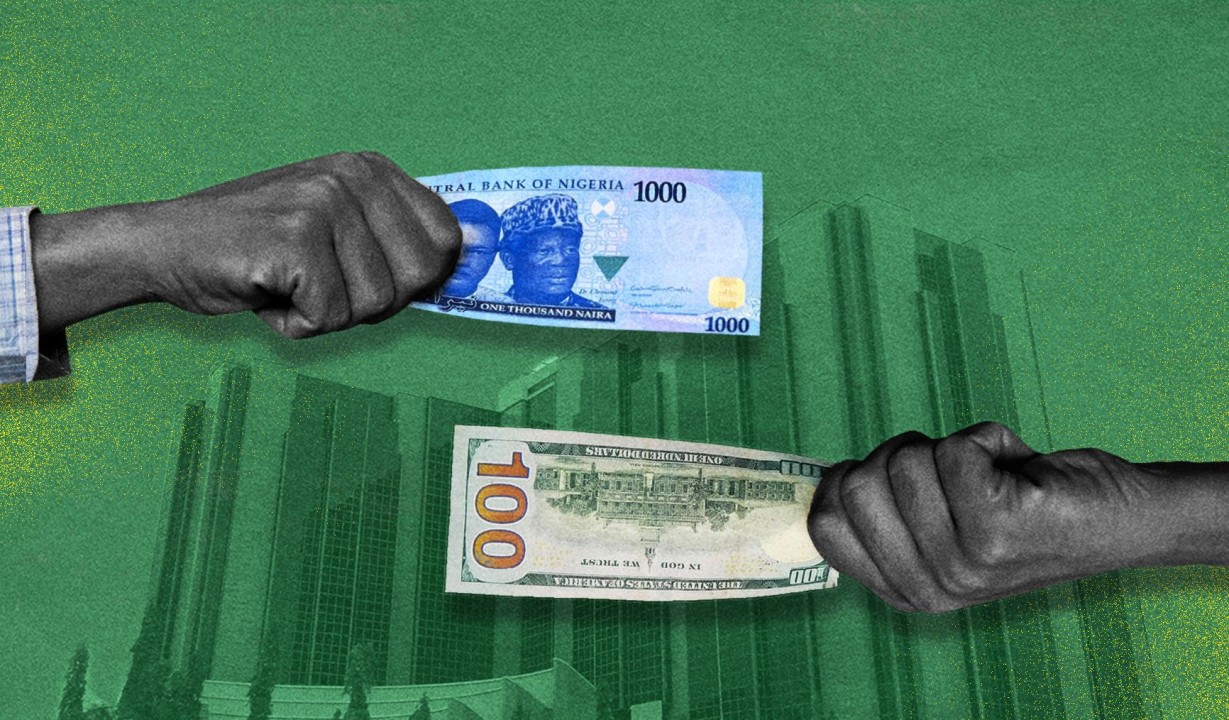
The U.S. Federal Reserve slashed its interest rate by 0.5% on Wednesday, kicking off what analysts expect to be a sustained phase of monetary easing.
This deeper reduction in borrowing costs reflects growing concerns over the U.S. job market. In its latest statement, the Federal Open Market Committee (FOMC) voiced optimism that inflation is steadily moving toward its 2% target.
The committee also noted a more balanced risk outlook for achieving both inflation and employment goals, though dissent emerged—Governor Michelle Bowman advocated for a more modest 0.25% cut.
Projections from the Fed indicate further rate reductions, with another 0.5% cut likely by year’s end, a full percentage point drop in 2025, and an additional 0.5% cut by 2026. The federal funds rate is expected to settle between 2.75% and 3.00%, slightly above previous forecasts.
READ ALSO: Naira crisis, controversial fuel prices: Nigerians question FG transparency
Fed Chair Jerome Powell stressed the importance of maintaining a robust labor market while steering inflation toward its 2% goal, noting, “This action underscores our increasing confidence that, with proper adjustments to our policy, the labour market can remain robust while inflation steadily declines toward our 2% target.”
The Fed’s move may influence Nigeria’s Monetary Policy Committee (MPC), which is set to meet next week. With the U.S. lowering borrowing costs, Nigeria could face pressure to follow suit in balancing inflation with economic growth. A weaker dollar might also provide relief to the naira, potentially stabilizing the exchange rate after extended depreciation.
Lower global rates may also attract foreign portfolio investments (FPIs) to Nigeria, boosting its financial markets and spurring economic growth.
However, while benefits like cheaper imports could emerge, Nigerian businesses may face heightened competition from foreign goods, threatening profitability.
Inflation remains a concern, with double-digit imported inflation adding to Nigeria’s economic challenges.


-

 Business1 week ago
Dangote Refinery IPO: 70% Subscription claim meets fourfold demand assertion as investors seek clarity
-

 Featured5 days ago
Inside INEC’s race to prepare for Nigeria’s 2027 elections
-
 Featured5 days ago
2027: APC unveils nationwide campaign timetable, Tinubu to rally in 12 states
-

 Latest7 days ago
UCTH faces morgue crisis as 50 unclaimed corpses await mass burial
-

 Aviation1 week ago
Germany opens online application route for student, EU Blue Card and other long-stay visas
-

 Business7 days ago
BREAKING: Nigeria’s Inflation Rate Drops to 14.63% in September
-

 Business6 days ago
President Tinubu and the Low Transport Fares Fiasco
-
 Business5 days ago
Court dismisses ₦170m Trade Fair contract claim, says Zenith Bank was not a party