
Featured
U.S official reveals how Al Qaeda leader al-Zawahiri was tracked, killed

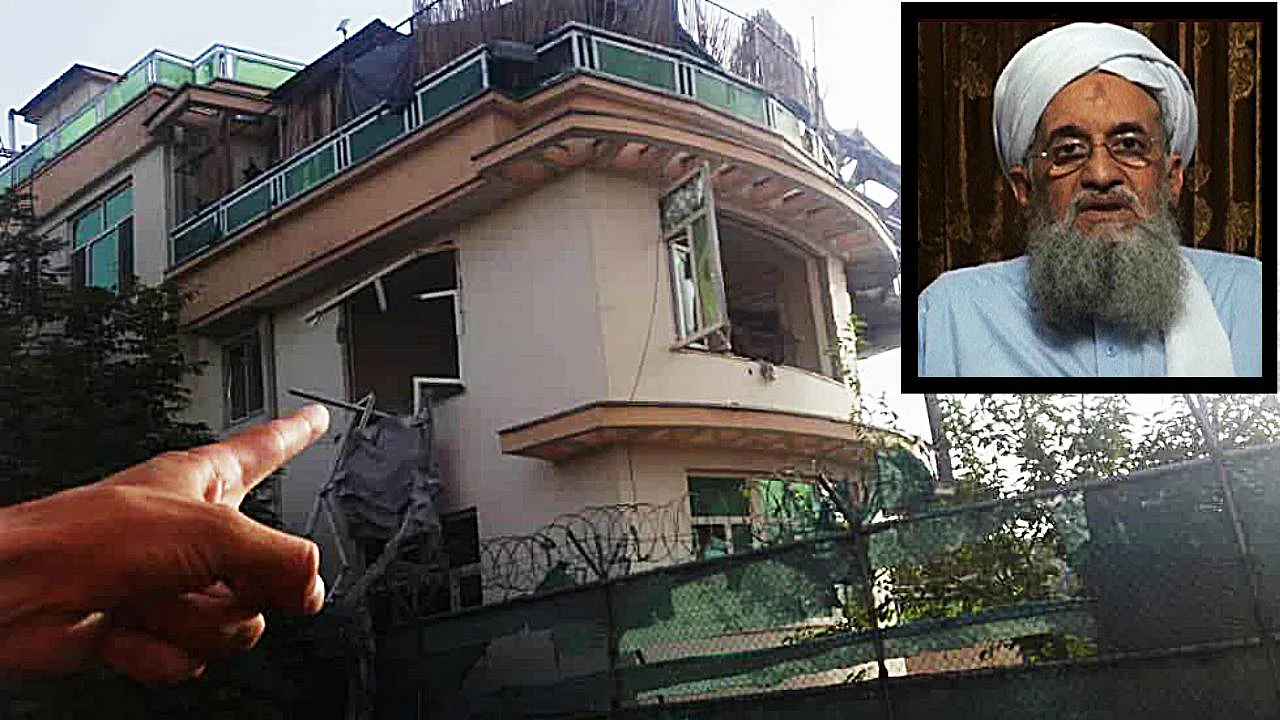
A senior U.S administration official has opened up on how spies tracked and eventually killed Al Qaeda leader Ayman al-Zawahiri in a drone strike in Afghanistan after many years of being on the U.S most wanted list.
Ayman al-Zawahiri who was killed at the weekend had been in hiding for years and the operation to locate and kill him was the result of “careful patient and persistent” work by the counter-terrorism and intelligence community, a senior administration official told reporters.
Speaking on the condition of anonymity, the official provided the following details on the operation:
“For several years, the U.S. government had been aware of a network that it assessed supported Zawahiri, and over the past year, following the United States’ withdrawal from Afghanistan, officials had been watching for indications of Al Qaeda’s presence in the country.
READ ALSO: U.S. kills Osama bin Laden’s successor in a drone strike in Afghanistan
This year, officials identified that Zawahiri’s family – his wife, his daughter and her children – had relocated to a safe house in Kabul and subsequently identified Zawahiri at the same location.
Over several months, intelligence officials grew more confident that they had correctly identified Zawahiri at the Kabul safe house and in early April started briefing senior administration officials. Jake Sullivan, National Security Advisor, subsequently briefed President Joe Biden.
“We were able to build a pattern of life through multiple independent sources of information to inform the operation,” the official said.
Once Zawahiri arrived at the Kabul safe house, officials were not aware of him leaving it and they identified him on its balcony – where he was ultimately struck – on multiple occasions, the official said.
Officials investigated the construction and nature of the safe house and scrutinized its occupants to ensure the United States could confidently conduct an operation to kill Zawahiri without threatening the structural integrity of the building and minimizing the risk to civilians and Zawahiri’s family, the official said.
In recent weeks, the president convened meetings with key advisors and Cabinet members to scrutinize the intelligence and evaluate the best course of action. On July 1, Biden was briefed on a proposed operation in the White House Situation Room by members of his cabinet including CIA Director William Burns.
READ ALSO: 25-yr-old Nigerian Anesthesiologist drowns six months after landing a dream job in the U.S
Biden “asked detailed questions about what we knew and how we knew it” and closely examined a model of the safe house the intelligence community had built and brought to the meeting.
He asked about lighting, weather, construction materials, and other factors that could affect the success of the operation, the official said. The president also requested analysis of the potential ramifications of a strike in Kabul.
A tight circle of senior inter-agency lawyers examined the intelligence reporting and confirmed that Zawahiri was a lawful target based on his continuing leadership of Al Qaeda.
On July 25, the president convened his key Cabinet members and advisors to receive a final briefing and discuss how killing Zawahiri would affect America’s relationship with the Taliban, among other issues, the official said. After soliciting views from others in the room, Biden authorized “a precisely tailored air strike” on the condition that it minimize the risk of civilian casualties.
The strike was ultimately carried out at 9:48 p.m. ET (0148 GMT) on July 30 by a drone firing so-called “hellfire” missiles.


-

 Football1 week ago
Premier League Matchweek 7: Five Fixtures That Could Shape the Weekend
-

 Business6 days ago
Dangote Refinery IPO: 70% Subscription claim meets fourfold demand assertion as investors seek clarity
-

 Latest1 week ago
Umahi defends Lagos-Calabar highway route changes amid public outcry
-
Business7 days ago
Dangote Refinery IPO Extension: Was the 70% subscription report overhyped?
-

 Featured3 days ago
Inside INEC’s race to prepare for Nigeria’s 2027 elections
-

 Latest5 days ago
UCTH faces morgue crisis as 50 unclaimed corpses await mass burial
-

 Business5 days ago
BREAKING: Nigeria’s Inflation Rate Drops to 14.63% in September
-

 Featured1 week ago
El-Rufai, ADC governorship candidate’s court appearance puts Kaduna opposition politics in focus