
Latest
Urgent food crisis alert: Over 33 million Nigerians at risk in 2025

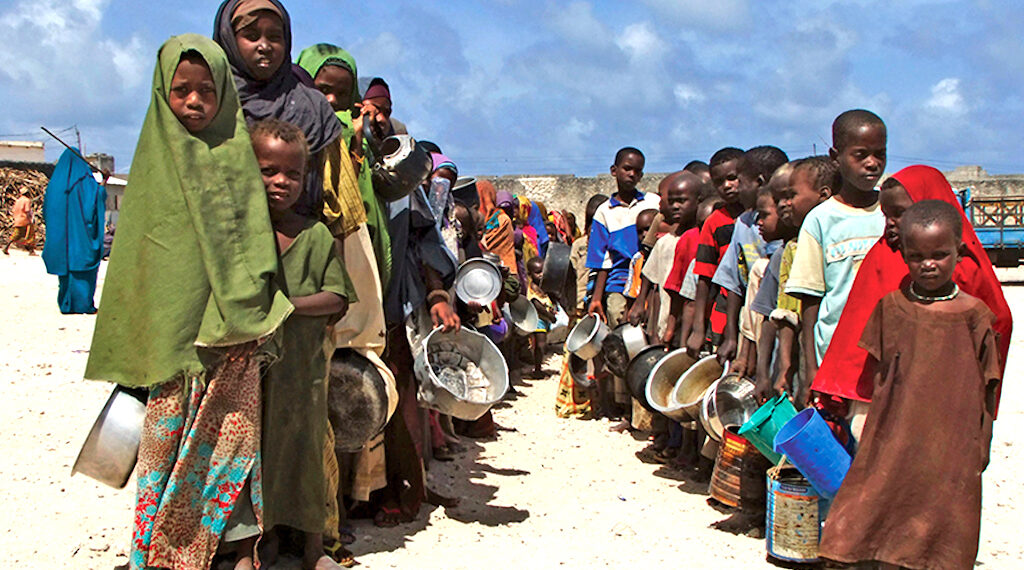
A recent Cadre Harmonisé (CH) Report has revealed alarming projections for food security in Nigeria, indicating that at least 33.1 million people across 26 states and the Federal Capital Territory (FCT) are likely to face a food crisis by 2025. This critical analysis was released on Friday in Abuja, highlighting the urgent need for intervention.
Conducted in collaboration with the Food and Agriculture Organisation (FAO), the World Food Programme (WFP), and the Federal Ministry of Agriculture and Food Security, the CH Report underscores the severity of the situation in specific regions.
The states identified as most at risk include Sokoto, Zamfara, Borno, Adamawa, Yobe, Gombe, Taraba, Katsina, Jigawa, Kano, Bauchi, Plateau, Kaduna, Kebbi, Niger, and Benue. Additionally, Cross River, Enugu, Edo, Abia, Kogi, Nasarawa, Kwara, Ogun, Lagos, Rivers, and the FCT are also highlighted as areas of concern.
The analysis projects that residents in these affected areas will likely encounter significant food and nutrition challenges, particularly between June and August 2025. This troubling forecast includes approximately 514,474 Internally Displaced Persons (IDPs) residing in Borno, Sokoto, and Zamfara States, who are already facing precarious living conditions.
Currently, around 25 million people across these regions are grappling with food crises, underscoring an urgent humanitarian need. Kouacou Koffy, the FAO Country Representative to Nigeria and ECOWAS, emphasized the necessity for immediate and coordinated action to tackle food and nutrition security in the nation.
READ ALSO: FAO warns 25m Nigerians vulnerable to food crisis in August 2023
Koffy stated, “With the concerted efforts of the government, CH stakeholders, and the international community, we can move closer to alleviating hunger and reducing suffering for Nigeria’s most vulnerable populations. We are facing unprecedented challenges affecting livelihoods and food and nutrition security globally, regionally, and nationally.”
He further elaborated on the multiple shocks Nigeria is experiencing, including economic pressures that are driving up the prices of essential staple crops and agricultural commodities, as well as climate-related incidents like floods and droughts, compounded by ongoing insecurity.
The CH analysis is regarded as the most reliable and widely accepted early warning tool for humanitarian programming, which aids in targeting food security and livelihood responses, as well as prioritizing development initiatives.
The urgency of the situation calls for a robust response to avert the impending crisis and protect the lives of millions in Nigeria.


-

 Crime1 week ago
Anambra Police arrest mother over alleged child sexual exploitation
-

 Business7 days ago
Jetour Nigeria, dealers take dashing, other models to Abuja Experience
-

 Business1 week ago
Dangote Refinery IPO shifts spotlight to corporate governance, investor protection
-

 Business4 days ago
Abuja gears up for Jetour T2’s rugged-luxury experience
-

 Business5 days ago
Dangote IPO rush crashes Bamboo login as investors flood platform
-

 Business5 days ago
Nigeria Business Outlook: Dangote IPO, markets, inflation and naira in focus this week
-

 Business1 week ago
Naira gains ground as Euro holds around N1,548, reserves hit 18-year high
-

 Business1 week ago
NCAA warns United Nigeria Airlines over fleet capacity, passenger disruptions