
Health
Urine colour that could mean the liver is having issues

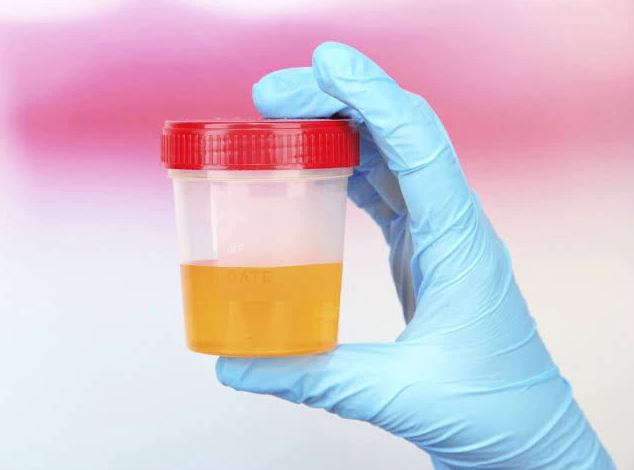
The liver is one of the most important organs in the body because of the numerous roles it plays in the body. Due to how important the liver is, there is need for every well thinning individual to know the signs that could be an indication that the liver is faulty or having issues. Reason being that if a person gets to know the signs of liver issues fast or early enough, it raises chances of saving the liver.
In this article in line with a publication on Mayo Clinic, we are going to have a look at the urine colour that could mean the liver is having issues. Just sit tight and enjoy this article while learning something new.
According to research, our urine colour reveals alot about the state of our health, so there is need to observe your urine colour to know when something may have gone wrong internally. It has been proven that a persistently, dark orange or brown colour of urine could be an indication of a liver related disease whether or not you are having other symptoms or serious signs.
The urine changes to this colour due to the presence of too much bilirubin in the urine because the liver is not functioning as well as it should. Swollen abdomen otherwise referred to as ascites could also be another sign of liver disease that should never be taken for granted besides the urine colour issues.


-

 Latest2 days ago
Pastor Chris Oyakhilome announces mother’s passing at 88 [VIDEO]
-

 Football5 days ago
Saka: England still carry World Cup scar
-

 Comments and Issues7 days ago
Sometimes, goodwill finds us through the people we love
-

 Latest3 days ago
Arsenal eye €70-80m move for Real Madrid star
-

 Business6 days ago
CBN reduces MPR by 350bps to 23% in major monetary policy shift
-

 Business1 week ago
Jetour takes T1 adventure SUV experience to Abuja, targets growing Nigerian market
-

 Crime3 days ago
Police arrest suspect, launch manhunt for 2 others over Delta Education Director’s death
-

 Latest2 days ago
How adulterated palm oil, coloured pepper are putting consumers at risk