
News
US Surgeons perform first pig to human kidney transplant

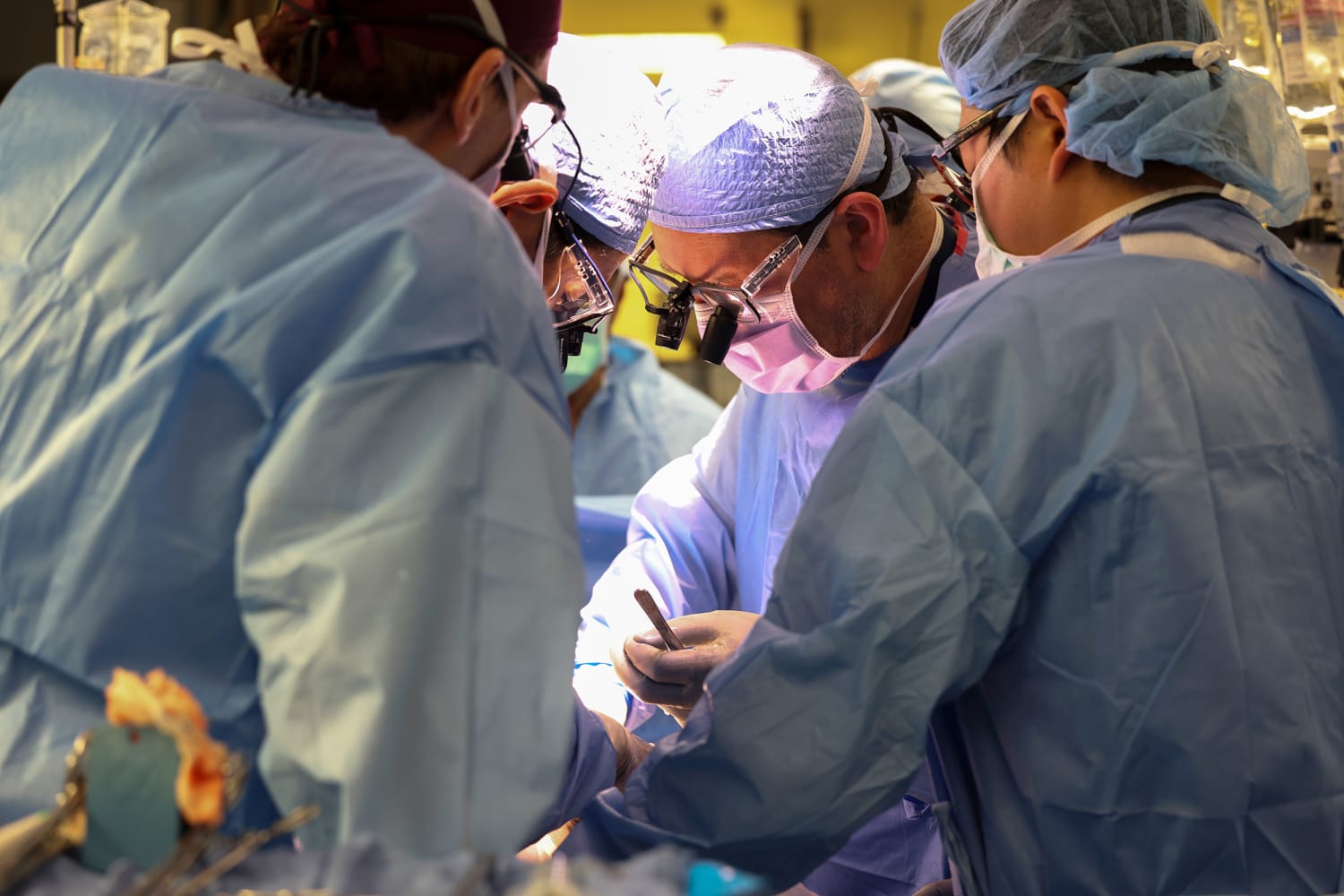
Doctors at Massachusetts General Hospital in Boston announced the successful transplantation of a kidney from a genetically modified pig into a 62-year-old man with end-stage renal disease.
This groundbreaking surgery, conducted on March 16, signifies a significant step forward in providing more readily available organs to patients, the hospital disclosed in a statement.
The recipient, Richard Slayman of Weymouth, Massachusetts, is reported to be recovering well following the four-hour surgery and is expected to be discharged soon, according to hospital officials.
Dr. Jim Kim, director of kidney and pancreas transplantation at the USC Transplant Institute in Los Angeles, highlighted the immense interest among experts in the long-term outcomes of this pioneering animal-to-human transplant.
Slayman, who had previously received a human kidney transplant in 2018 after seven years on dialysis, experienced organ failure after five years, leading to a resumption of dialysis treatments.
The kidney used in the transplantation was sourced from eGenesis, a company based in Cambridge, Massachusetts, which specializes in genetically editing pigs to remove genes harmful to human recipients and enhance compatibility by adding certain human genes.
READ ALSO: Man who got pig heart transplant dies after 2 months
Additionally, eGenesis inactivated viruses inherent to pigs that have the potential to infect humans.
Previous studies had demonstrated promising results with kidneys from similarly edited pigs transplanted into monkeys, with survival periods ranging from an average of 176 days to over two years, researchers reported in October in the journal Nature.
The transplantation involved the use of experimental antibody tegoprubart, developed by Eledon Pharmaceuticals, to help prevent rejection of the pig organ by the patient’s immune system.
Dr. Robert Montgomery, director of the NYU Langone Transplant Institute, hailed the surgery’s significance in advancing xenotransplantation, emphasizing its potential to serve as an alternative source of organs for the hundreds of thousands suffering from kidney failure.
Currently, more than 100,000 people in the U.S. await organ transplants, with kidneys being in high demand.
Montgomery noted that transplant centers are exploring various approaches in gene editing and medications, awaiting authorization from the FDA to conduct clinical trials for further insights into optimizing treatments for patients on waiting lists.
While previous attempts, such as the University of Maryland’s transplant of a genetically modified pig heart into a terminally ill patient in January 2022, have faced challenges, the successful kidney transplant represents a significant advancement in the quest to address the organ shortage crisis and improve patient outcomes in transplantation.




-

 Latest5 days ago
US Immigration fees rise from October 16 as USCIS announces new charges
-

 Health1 week ago
COVID-19 Hospital care under scrutiny as US Senate hears patient, family testimonies
-

 Business1 week ago
OpenAI shelves GPT-6.1 astra release over safety concerns
-

 Business4 days ago
Nigeria’s $55bn reserves raise fresh questions over naira value
-

 Latest1 week ago
ADC’s 2027 Strategy: Who are the key players and what are their roles?
-

 Latest1 week ago
‘Our Uranium lit Europe, while Niger stayed in darkness’ — PM tells UN
-

 Health4 days ago
Florida sues Pfizer over deceptive COVID-19 vaccine marketing
-

 Business1 week ago
OPay leads Nigerian financial apps as smartphone adoption hits 75%