
Business
Nigerian Banks’ bad debt portfolio drops


About twelve commercial banks in Nigeria have reduced their bad debts (impairment losses) by 26.1 percent to N263 billion in H1’18 from N356 billion in H1’17.
The 12 banks recorded a total of N263.006 billion bad debt in H1’18, a decline of -26.1 percent from N356.131billion in H1’17. The tier-1 banks which accounted significantly to the total bad debts, representing 66.7 percent, recorded N175.4 billion bad debts.
The top five banks’ bad debts in absolute terms include: First Bank N19.640 billion; Ecobank Group N41.127 billion; Diamond Bank N18.391 billion; Zenith Bank N9.720 billion and Wema Bank N8.745 billion.
In percentage decline in bad debt portfolio FCMB led the best performers on the chart declining by -26.5 percent to N7.333 billion from N9.972 billion, First Bank whose bad debts dropped by -8.8 percent to N149.640 billion from N164.085 billion came second, while.
Diamond Bank dropped by -2.9 percent to N 18.391billion from N18.941 billion.
According to experts, the implication of the reduction of impairment by 26 percent in H1 2018, shows the extent the banks have gone in cleaning their bad debts and also the likely less loan is given by the banks which affects the progress of the economy as Nigeria witnessed decline in Gross Domestic Products, GDP.
Reacting to the issue, MD/CEO of APT Securities & Funds Limited, Mallam Garba Kurfi, said the marginal increase of the net interest the less banks lend to the economy and is not good for the economy especially when we realize that Nigeria is just a year from recovery from recession.
“Generally, the performance of these banks showed that they concentrated more in Treasury Bills, TBs and FGN Bonds rather than lending which is the core business of banking.”
A Chartered Stockbroker/Managing Director, Sofunix Investment & Communications, Mr. Sola Oni said: “Impairment loss indicates decline in the future economic benefits of an asset after charges for depreciation. Decline in impairment loss reflects managerial effectiveness.
“Banks derive interest income from loans and deposits. The prevailing economic situation has made loans unattractive as banks are cautious at giving loans. This is to avert challenges of default.
According to the MD/CEO of Solid -Rock Securities and Investment Plc, Mr. Patrick Ezeagu, government’s restructuring of its portfolio of Treasury Bills impacted negatively on interest income of banks that have stronghold in this asset class.
He, however said the good thing is that decline in interest income is also offset by corresponding reduction in interest expense. “In this regime of marginal interest income, banks should de-risk their portfolios and focus more on loan growth oriented sectors.”
Meanwhile, shareholders have lauded the efforts of the banks, saying a drop in impairment loss by banks is a good news to the shareholders and is an indication that banks have started getting their loans booking right.
Spokesperson for Independent Shareholders Association of Nigeria, Moses Igbrude, said it is a good sign for the banking system and it implies that shareholders will benefit significantly if the trend continues till year end.


-

 Featured2 days ago
BREAKING NEWS: Shouts of joy rock the world as Pastor Chris opens final Healing Streams edition for 2026
-
 Business6 days ago
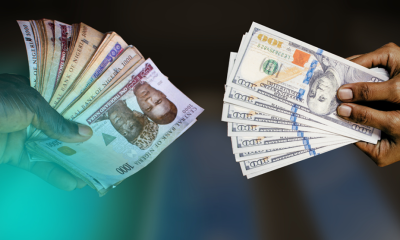
Naira faces exchange rate gap as Dollar hits N1,380 on parallel market
-

 Football2 days ago
Man United shortlist Emery, Nagelsmann as potential replacements for Carrick
-

 Business2 days ago
Hoodlums raid JED Benue office, abduct 10 staff over power dispute
-

 Football2 days ago
Aston Villa ready to freeze out Garnacho to avoid £43m Chelsea transfer
-

 Business2 days ago
EV adoption: Roxettes seeks cheaper financing, local manufacturing incentives
-

 Business1 week ago
NCC launches Internet Governance Working Group to tackle AI risks, boost online safety
-

 Latest2 days ago
Akpabio tasks Tompolo-backed movement with spreading Tinubu’s renewed hope message