
Latest
O-trek now Lagos most used transport mode


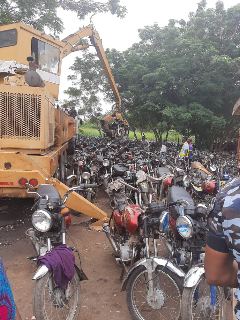
As a result of the ban on the activities of commercial motorcycles and tricycles, residents of Lagos have resulted to the oldest mode of transportation known to man- trekking.
Since the bikes, along with motorised yellow rickshaws called kekes, became illegal in most of the city on February 1, most major roads are now littered with people trekking to their destination since the available buses are not enough to convey them in time, and in most cases the fare has been hiked by over 50 per cent.
A resident who spoke with National Daily, Dayo Amusan, explained he works in Ikeja and live in Iyana Ipaja. According to him, he used to hop on a motorbike- an okada – for a quick ride to the Ikeja bus stop where he normally picked a keke to Oregun where he works.
He said since the ban, he has done more of trekking, especially during the rush hours in the evening. “It has not been easy at all,” he said. “I feel very tired and exhausted,” Amusan said. “It has not only affected me, it has affected everybody.”
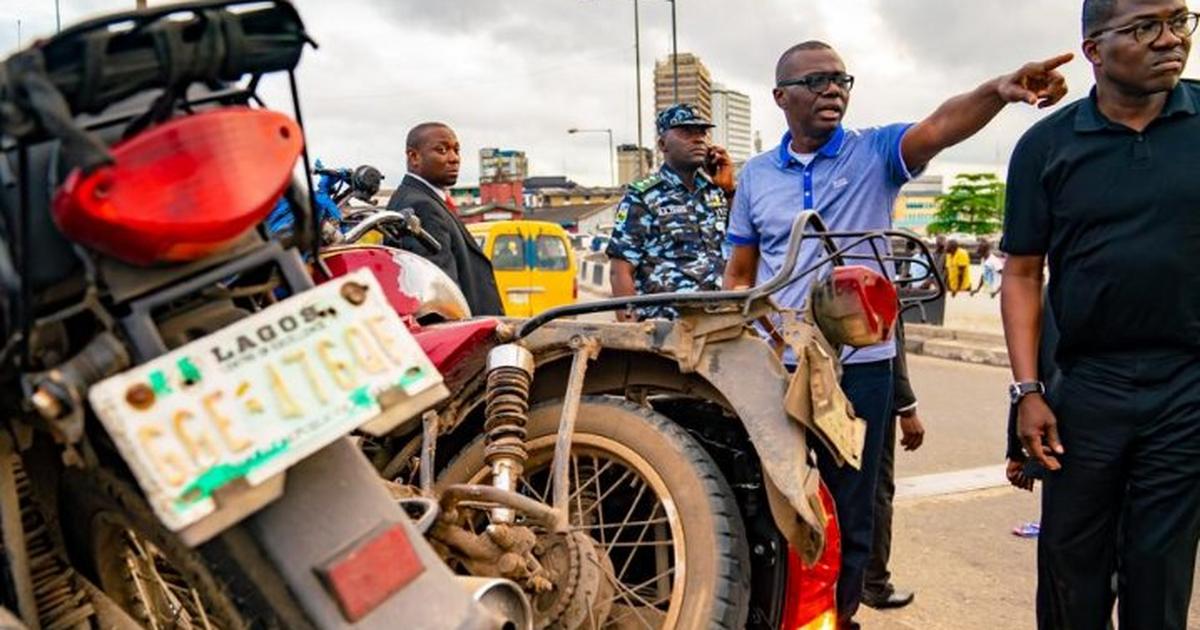
Lagos State Governor Babajide Sanwo-Olu outlawed the loosely regulated motorbikes and rickshaws, citing safety and security concerns.
Many, including Works and Housing Minister Babatunde Fashola, backed Sanwo-Olu’s decision.
“Recklessness, disorderliness and total disregard for the traffic rules reigned supreme among the okada and keke riders,” said Fashola, a former Lagos governor, in a statement.
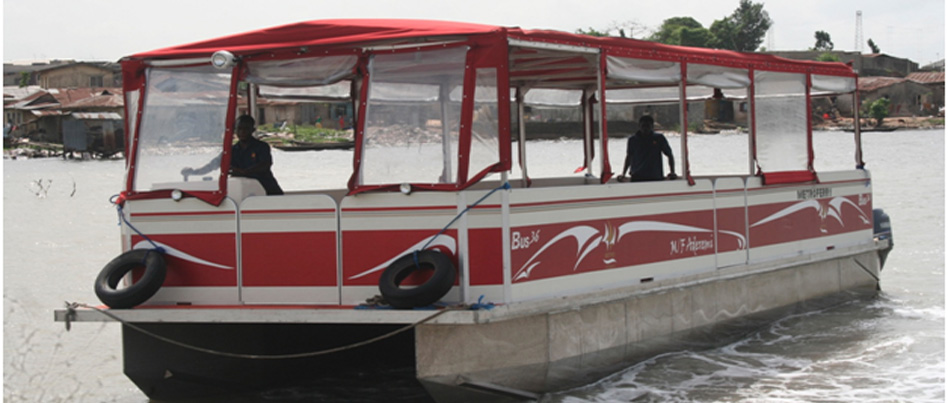
Since the ban, Sanwo-Olu has launched 55 additional buses and inaugurated 14 public ferries, promising an expansion of both. The largest boat can carry 60 passengers. London’s Thames Clippers, in comparison, carry 220.
“The ferry is good,” said Kunle Adejobi who works on the Island. “We need the bike.” Faced with a long walk to his office after landing, he said okadas bridged the gap between other forms of transport.
He is among the hundreds of thousands of former motorcycle and rickshaw passengers who hope the ban will be reversed.
Mohammed Zanna, coordinator of the Physically Challenged Empowerment Initiative, said disabled people are unhappy at being trapped without kekes, as they cannot compete with people “fighting and rushing” to board packed buses.
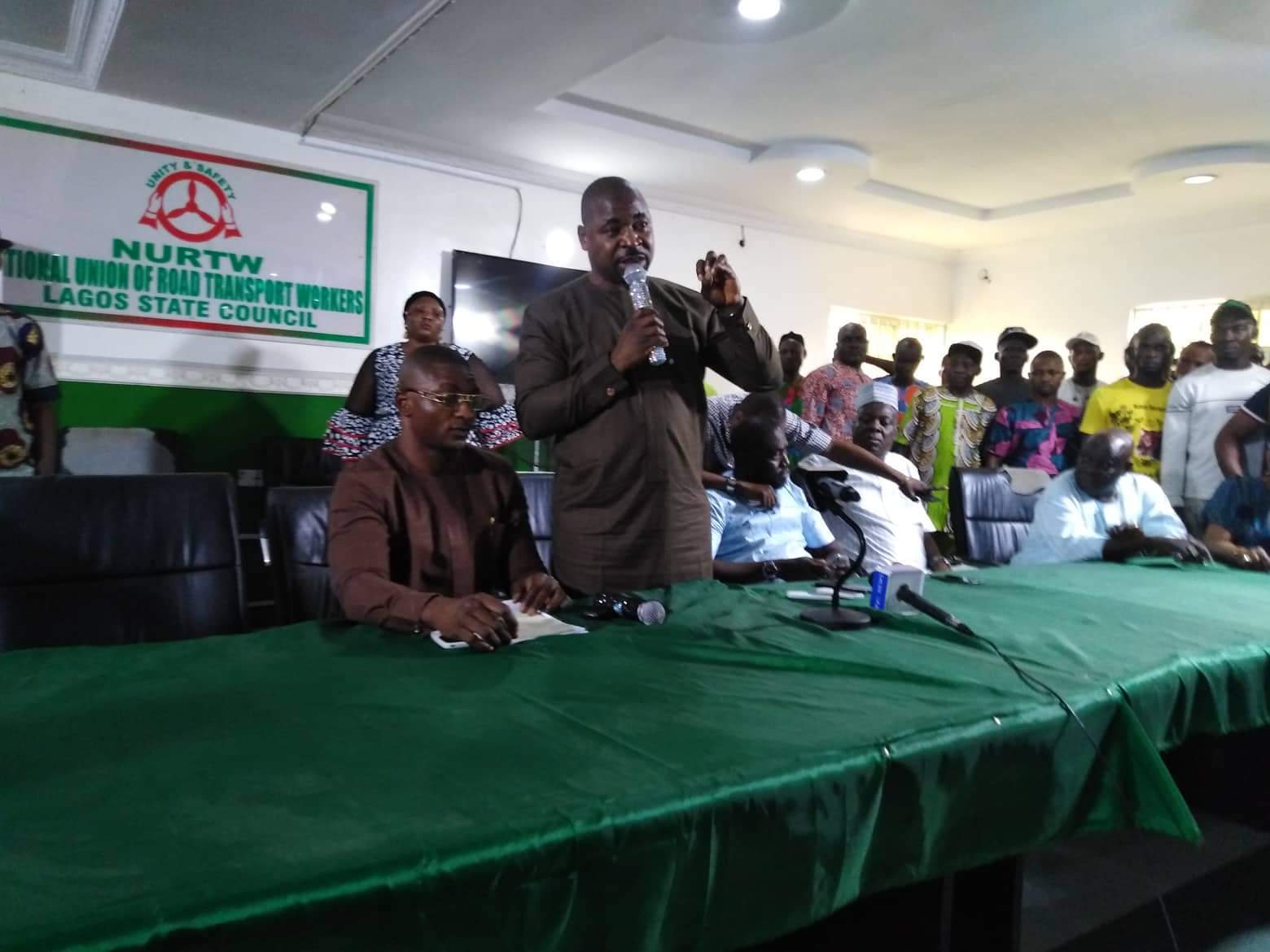
Former drivers lament their lost income in a nation with 23% unemployment. Ride hailing firms Gokada and Max.ng, which before the ban raised millions of dollars in foreign funding, have urged the government to regulate, rather than ban them.




-
 Latest1 week ago
Israel marks 3 years since October 7 Hamas attack amid Gaza strikes, election debate
-

 Energy1 week ago
Fuel Battle: Dangote, marketers and government clash over petrol imports
-

 Latest2 days ago
Full List: Meet the 2026 Nobel Prize winners across six categories
-
 Featured6 days ago
103 Million Voters: What does INEC’s new register say about Nigeria’s population?
-

 Business1 week ago
Nigerian startup 3650HQ moves to cut rising WhatsApp costs for businesses
-
 Football2 days ago
Premier League Matchweek 7: Five Fixtures That Could Shape the Weekend
-

 Business7 days ago
The Ministry of Commerce of Loveworld gets a $1 million boost for new investment fund at LTIF 2026 to promote Trade in Ghana
-

 Features7 days ago
Edo’s 2.5 million vote promise: Can the numbers match the politics?