
News
US military invades Nigeria, rescues citizen from Boko Haram

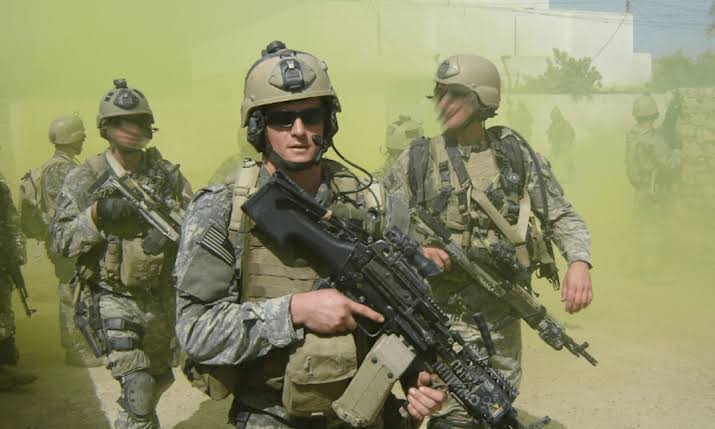
The United States Military has announced that it successfully conducted a rescue operation in Northern Nigeria, where an American citizen, Philip Walton, aged 27, was “recovered” from armed men in the region.
This was disclosed in a statement issued by the Pentagon and reported by American news sources on Saturday.
“U.S. forces have conducted a hostage rescue operation in northern Nigeria “to recover an American citizen held hostage by a group of armed men. This American citizen is safe” and “no U.S military personnel were injured during the operation,” NBC News said.
Fox News reported that it was the US Navy Seal team 6 that conducted the raid and nobody was injured in the exercise.
“U.S. forces conducted a hostage rescue operation during the early hours of 31 October in Northern Nigeria to recover an American citizen held hostage by a group of armed men,” Jonathan Hoffman, Pentagon spokesman said.
“We delivered on that commitment late last night in Nigeria, where some of our bravest and most skilled warriors rescued a U.S. citizen after a group of armed men took him hostage across the border in Niger,” Pompeo, US Secretary of State said.
There has been no official response from the Nigerian Army yet.


-
 Latest5 days ago
Pastor Chris Oyakhilome announces mother’s passing at 88 [VIDEO]
-

 Latest7 days ago
Arsenal eye €70-80m move for Real Madrid star
-

 Football4 days ago
How David Beckham made $51.1m from 2026 World Cup, surpassing winners’ prize
-
 Crime6 days ago
Police arrest suspect, launch manhunt for 2 others over Delta Education Director’s death
-

 Latest6 days ago
How adulterated palm oil, coloured pepper are putting consumers at risk
-
 Crime5 days ago
Deaths in NSCDC Custody: Can Nigeria guarantee the safety of detainees?
-

 Latest7 days ago
Obi left $155m in Anambra, Otti insists amid debt controversy
-
 Crime7 days ago
184.5kg Cocaine Bust: NDLEA docks KC Luxury, two accomplices, remands them in custody