
Featured
Senate increases Nigeria’s debt burden, approves fresh $1.5bn, €995m foreign loans

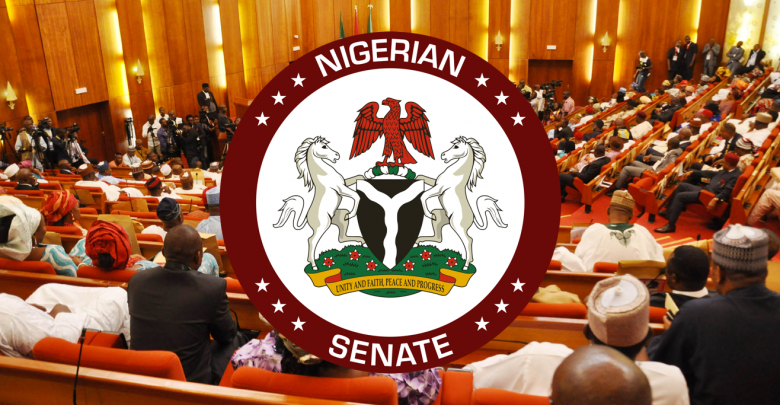
The Nigerian Senate on Wednesday increased Nigeria’s debt burden, approving fresh foreign loans of $1.5 billion and €995 million for the government.
The senate gave approval for fresh loans for the Federal and State governments after endorsing the report of the Senate Committee on Local and Foreign Debts on the external borrowing plan of the Federal Government.
Chairman of the Committee, Clifford Ordia, had informed the senators of the committee’s endorsement of the loan request, then, recommended the request for approval.
It was highlighted that the €995 million loan is for agricultural mechanisation in the 774 local governments areas across the country, while the $1.5 billion loan will be utilised to fund critical infrastructure in the post-COVID-19 pandemic period across the 36 states and the federal capital territory.
The International Monetary Fund (IMF), World Bank, African Development Bank Group (AFDB), and Export/Import Bank of Brazil were identified to be facilitating the loans.
Meanwhile, the Nigerian government is still contending with the increasing public debt burden of N32.22 trillion as at September 30, 2020, which is taking a chunk of the national budget to the sum of about N2.7 trillion for debt servicing every year.


-

 News6 days ago
UK, Canada pledge closer cooperation on trade, defence and AI
-

 Business1 week ago
Abuja gears up for Jetour T2’s rugged-luxury experience
-
 Business7 days ago
Tinubu’s economic reforms face public confidence test as cost-of-living crisis persists
-
 Business7 days ago
Dangote: Petrol price gap fuels smuggling as Nigeria faces fresh pump price surge
-
 Business4 days ago
Dangote Refinery IPO: Can small investors really make money from the shares?
-

 Comments and Issues5 days ago
Wavy fuel prices and deepening cost-of-living crises in Nigeria
-

 Football5 days ago
FULL LIST: Eight stadiums to host 2027 Women’s World Cup in Brazil
-
 Business3 days ago
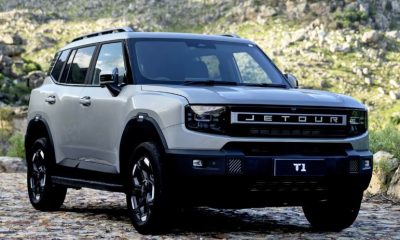
Jetour takes T1 adventure SUV experience to Abuja, targets growing Nigerian market