
Business
Experts list dangers of fuel subsidy removal on Nigerians, economy

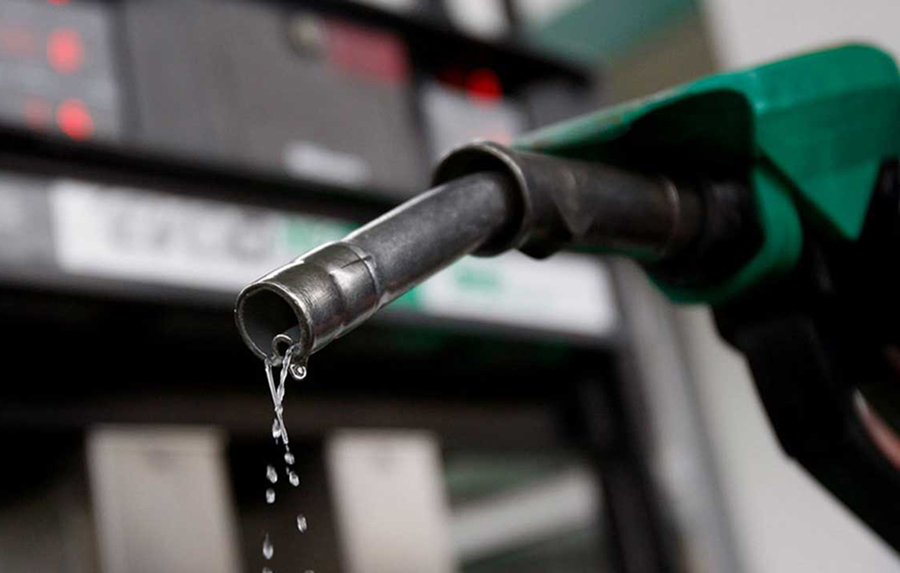
Economic experts in the country have warned against the planned removal of subsidies on petrol in 2022, highlighting the dangers on Nigerians and the economy in general.
It would be recalled that the federal government had last month disclosed that it would remove fuel subsidy and replace it with a monthly N5000 transport grant to poor Nigerians.
Reacting, Coordinator, Agribusiness & Youth Empowerment, Community of Agricultural Stakeholders of Nigeria, Sotonye Anga said the subsidy removal would make fuel prices go up, adding that other items, especially food would become costlier.
He noted it would snowball into higher prices of all products as well as push up food inflation which has already made income insufficient.
Anga warned that the removal will lead to reduced supply of food crops in the market and that the general public would face the problem of high food prices amid stagnated income.
Also, Executive Director, Agricultural and Rural Management Training Institute (ARMTI), Dr Olufemi Oladunni said if the stakeholders are going to be affected then agriculture will be highly affected.
READ ALSO: Buhari succumbs to IMF pressure, replaces fuel subsidy with N5,000 bonus
“Increased cost in agro inputs will increase cost of production which may lead to demand for more investment in agriculture.”
All Farmers Association of Nigeria (AFAN) Chairman Southwest Otunba Femi Oke said it will affect the productivity of the agriculture sector.
The National Bureau of Statistics (NBS) showed that annual food inflation rose for the 24th consecutive month to 20.75 per cent in October from 20.71 per cent in September, owing to further increases in the prices of basic food items.
Already, food inflation in the country, according to the National Bureau of Statistics, has risen by 7.38 percentage points since May 2019 when it dropped to 13.37 per cent.
In September, NBS reported that the prices of some food items went up.
“The prices of goods and services, measured by CPI, rose by 16.63 per cent. This is 0.38 per cent points lower than the rate recorded in August 2021 (17.01) per cent,” NBS had said in September.


-
 Latest1 week ago
Israel marks 3 years since October 7 Hamas attack amid Gaza strikes, election debate
-

 Energy1 week ago
Fuel Battle: Dangote, marketers and government clash over petrol imports
-

 Latest2 days ago
Full List: Meet the 2026 Nobel Prize winners across six categories
-
 Featured6 days ago
103 Million Voters: What does INEC’s new register say about Nigeria’s population?
-

 Business1 week ago
Nigerian startup 3650HQ moves to cut rising WhatsApp costs for businesses
-

 Football2 days ago
Premier League Matchweek 7: Five Fixtures That Could Shape the Weekend
-

 Business7 days ago
The Ministry of Commerce of Loveworld gets a $1 million boost for new investment fund at LTIF 2026 to promote Trade in Ghana
-

 Features7 days ago
Edo’s 2.5 million vote promise: Can the numbers match the politics?