
News
Carelessness of past administrations responsible for Nigeria’s present woes – CBN


By Odunewu Segun
The Central Bank of Nigeria (CBN) has blamed the current economic challenges facing the country on the past practice of frittering away huge oil earnings by past successive governments.
CBN’s Acting Director, Corporate Communications, Mr. Isaac Okoroafor, disclosed this recently while reacting to the calls by Organised Private Sector (OPS) to reverse its foreign exchange ban on 41 items, which the country can produce.
Okoroafor, said despite criticisms, CBN would not drop the policy nor bow to “self-serving” interests.
“We have observed with great concern the continued and unwarranted attack on our policies by a group of Nigerians, whose real interests, findings have shown, are anything near altruistic, but rather self-serving and unpatriotic,” Okoroafor said.
He said while the CBN respected Nigerians’ or stakeholders’ views, it found it curious that some interests have remained persistent in misinforming the public, with the aim of discrediting the genuine management of the economy.
Okoroafor said this could create distrust and panic within the financial system. “Indeed, self-centered individuals, who have failed to assail our patriotic position, have resorted to the sponsorship of serial propaganda to misinform and mislead the public on the objectives of our policies,” he said.
He said some unpatriotic elements were pushing for a reversal of the policy aimed at conserving forex, stimulating agriculture and manufacturing, and promoting exports.
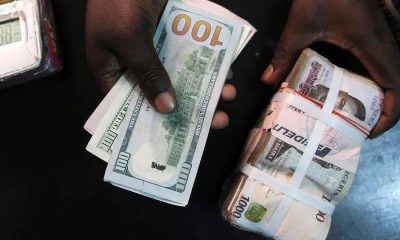
“Our decisions on forex management are prompted by the challenge posed by the level of depletion of the country’s reserves, arising from issues, such as drastic reduction in oil earnings, speculative attacks and round tripping,” he explained.
According to him, the pressure on the foreign reserves has persisted due to huge reduction in monthly foreign earnings, which fell from over $3.2 billion monthly in 2013 to below $500 million last year, when the demand for the US dollar, particularly by importers, continued to rise.
Despite the challenges, the CBN has continued to ensure that there is liquidity and transparency in the forex market, while checking inflation, and promoting productivity in critical sectors of the economy, Okoroafor said.
However, the Organised Private Sector (OPS) members are not swayed by CBN’s position. Describing the policy as worrisome, they insisted that the apex bank’s unorthodox forex allocation system would continue to hamper growth.
The Lagos Chamber of Commerce and Industry (LCCI) Director-General, Mr. Muda Yusuf, said, in Lagos, that it was worrisome that the CBN had remained silent on some forex-related issues that were affecting the economy.
He listed them to include acute illiquidity, inflow impediments and too tight regulations on movement of funds.
Others, he said, were the effects of the forex policy on non-oil exports, its disincentive to foreign direct investments and the negative impact of the policy on portfolio inflows.
“Others are adverse effects on remittances by airlines, foreign investors’ dividends and profits; adverse effects on Diaspora remittances and the effects on investors’ confidence,” Yusuf said.













-

 News7 days ago
UK, Canada pledge closer cooperation on trade, defence and AI
-

 Football6 days ago
FULL LIST: Eight stadiums to host 2027 Women’s World Cup in Brazil
-

 Business5 days ago
Dangote Refinery IPO: Can small investors really make money from the shares?
-

 Comments and Issues6 days ago
Wavy fuel prices and deepening cost-of-living crises in Nigeria
-
 Business1 week ago
Tinubu’s economic reforms face public confidence test as cost-of-living crisis persists
-

 Business1 week ago
Dangote: Petrol price gap fuels smuggling as Nigeria faces fresh pump price surge
-

 Business3 days ago
Jetour takes T1 adventure SUV experience to Abuja, targets growing Nigerian market
-

 Latest1 week ago
Court sets 7-day window for Atiku to serve Tinubu in 2027 suit