
Business
Risks to Nigeria’s growth outlook substantial, World Bank warns

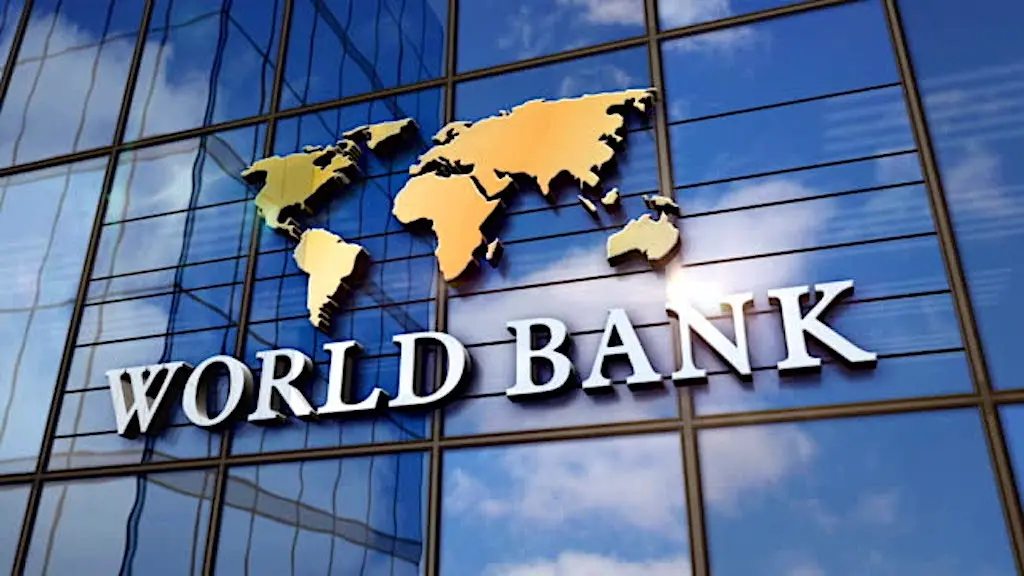
The World Bank says there is a possibility the monetary policy tightening by the Central Bank of Nigeria (CBN) would not rein in inflation.
In its global economic prospects report released on Wednesday, the Bretton Woods institution said one of the risks of Nigeria’s economic growth is the failure of tightening policies on inflation.
The tightening of the monetary policy rate (MPR) is the increase of interest rate to control soaring inflation.
Since the resumption of the monetary policy committee (MPC) meeting this year, interest rates have increased from 22.75 percent in February to 26.25 percent in May – a total increase of 750 basis points.
“Risks to Nigeria’s growth outlook are substantial, including the possibility that the tightening of monetary policy stops short of reining in inflation,” the World Bank said.
The report also predicted Nigeria’s economic growth rate outlook for the rest of 2024 and 2025 to remain the same.
“Growth in Nigeria is projected to pick up to 3.3 percent this year and 3.5 percent in 2025,” the World Bank said.
READ ALSO: FG approves $750m World Bank loan for rural electrification project
“After the macroeconomic reforms’ initial shock, economic conditions are expected to gradually improve, resulting in sustained, but still-modest growth in the non-oil economy.
“In addition, the oil sector is expected to stabilize as production somewhat recovers.”
Also, the World Bank said public debt in sub-Saharan Africa is expected to remain elevated over the forecast period if global interest rates remain high for longer than assumed in the baseline forecast.
“With public debt-service costs having surged in many SSA economies since the pandemic, the need for debt reduction in highly indebted countries has become substantial,” the report said.
“Many SSA economies tightened their monetary policy to address rising inflation, resulting in increased financing costs. Public debt is expected to remain elevated over the forecast period.
“If global interest rates remain high for longer than assumed in the baseline forecast, debt-service costs for SSA economies are likely to rise even further.
“When coupled with limited access to external financing favourable interest rates, rising financing costs could markedly increase the risks of government debt distress—especially because debt restructuring in several SSA countries has been hampered by coordination problems among a diverse group of creditors.”
The World Bank also said growth is projected to pick up this year in sub-Saharan Africa, albeit less robustly than previously forecast.


-

 Featured5 days ago
Inside INEC’s race to prepare for Nigeria’s 2027 elections
-

 Featured5 days ago
2027: APC unveils nationwide campaign timetable, Tinubu to rally in 12 states
-

 Latest1 week ago
UCTH faces morgue crisis as 50 unclaimed corpses await mass burial
-

 Business7 days ago
President Tinubu and the Low Transport Fares Fiasco
-

 Business1 week ago
BREAKING: Nigeria’s Inflation Rate Drops to 14.63% in September
-
 Business5 days ago
Court dismisses ₦170m Trade Fair contract claim, says Zenith Bank was not a party
-
 Business3 days ago
Naira faces exchange rate gap as Dollar hits N1,380 on parallel market
-

 Latest7 days ago
Global excitement builds as Healing Streams Live Services returns October 23