
Education
Nigeria’s universities gain global recognition, but challenges to competitiveness persist

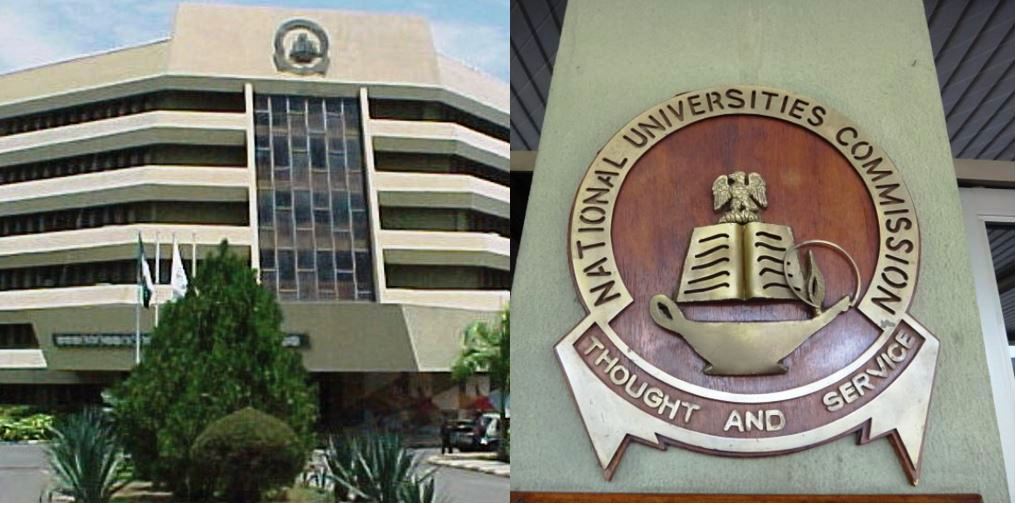
Nigeria recorded its strongest showing yet in the 2026 Times Higher Education (THE) World University Rankings, with 24 universities making the global list. While the achievement has been welcomed by the Federal Ministry of Education as a milestone for the country’s higher education sector, education stakeholders say significant challenges remain before Nigerian institutions can compete with the world’s leading universities.
According to the latest rankings, the University of Ibadan (UI) and the University of Lagos (UNILAG) remain Nigeria’s highest-ranked institutions, both placed in the 801–1,000 global band. Bayero University Kano, Covenant University and Landmark University were ranked in the 1,001–1,200 category.
The rankings reflect gradual improvements in research output and international visibility among Nigerian universities. However, no institution from the country featured in the global top 500, highlighting the gap between Nigeria’s leading universities and the world’s top-performing institutions.
Data released by Times Higher Education showed that both UI and UNILAG recorded relatively strong performances in research quality, supported by scholarly publications indexed in Elsevier’s Scopus database. However, both universities scored lower in areas such as international outlook and industry income, indicators that measure global collaboration and the commercial impact of research.
Education experts say these areas remain critical if Nigerian universities are to improve their international standing.
One of the major challenges identified by stakeholders is inadequate funding. Although the Tertiary Education Trust Fund (TETFund) continues to invest in infrastructure and academic staff development through postgraduate scholarship programmes, many public universities still face shortages of modern laboratories, research facilities and digital infrastructure.
Academics have also raised concerns about the continued migration of experienced lecturers and researchers to institutions abroad, citing better remuneration, improved working conditions and greater research opportunities. The trend, commonly referred to as “brain drain,” has placed additional pressure on Nigerian universities already grappling with staffing shortages.
In response, the Federal Government has introduced initiatives aimed at improving governance and accountability in tertiary institutions, including the Federal Tertiary Institutions Governance Transparency Portal (FTIGTP). Officials say the platform is designed to enhance transparency in the management of public funds allocated to universities.
Beyond research and funding, employers and education analysts have continued to express concerns about graduate employability.
Many argue that while Nigerian universities produce graduates with strong theoretical knowledge, curricula in several institutions have not evolved quickly enough to meet the changing demands of technology-driven industries. Limited collaboration between universities and the private sector has also affected opportunities for practical training, innovation and commercial research.
Private institutions such as Covenant University have been recognised for building stronger partnerships with industry and promoting entrepreneurship among students. However, public universities, which educate the majority of Nigerian undergraduates, continue to face pressure from large student populations and limited infrastructure.
Despite the challenges, stakeholders maintain that Nigeria’s higher education system has considerable potential, supported by a large student population and growing research output.
They argue that improving global competitiveness will require sustained investment in research infrastructure, stronger partnerships with industry, curriculum reforms aligned with labour market needs, and policies that encourage international collaboration while retaining top academic talent.
As Nigerian universities continue to expand their presence in global rankings, experts say the next challenge will be translating increased visibility into stronger research performance, greater innovation and improved graduate outcomes.


-

 Football1 week ago
Premier League Matchweek 7: Five Fixtures That Could Shape the Weekend
-

 Business7 days ago
Dangote Refinery IPO: 70% Subscription claim meets fourfold demand assertion as investors seek clarity
-

 Latest1 week ago
Umahi defends Lagos-Calabar highway route changes amid public outcry
-
Business1 week ago
Dangote Refinery IPO Extension: Was the 70% subscription report overhyped?
-

 Featured3 days ago
Inside INEC’s race to prepare for Nigeria’s 2027 elections
-

 Latest5 days ago
UCTH faces morgue crisis as 50 unclaimed corpses await mass burial
-

 Business5 days ago
BREAKING: Nigeria’s Inflation Rate Drops to 14.63% in September
-

 Featured1 week ago
El-Rufai, ADC governorship candidate’s court appearance puts Kaduna opposition politics in focus