
Education
Inside Nigeria’s growing education inequality

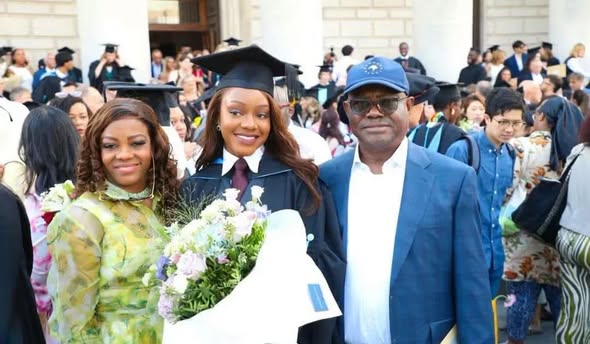
The introduction of Nigeria’s student loan scheme has intensified debate over the country’s education system, with activist and 2027 presidential hopeful Omoyele Sowore accusing successive political leaders of neglecting public universities while educating their own children overseas.
In a strongly worded statement shared on social media, Sowore argued that many politicians who have occupied influential public offices—including governors, ministers, senators and other top government officials—failed to build or strengthen universities they considered good enough for their own families.
Instead, he said, ordinary Nigerians are now being encouraged to embrace student loans despite mounting economic hardship and rising education costs.
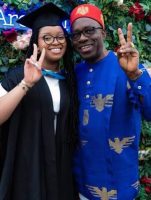
According to the activist, the children of several prominent political figures attended prestigious universities abroad rather than Nigeria’s public tertiary institutions.
Sowore questioned whether leaders such as President Bola Ahmed Tinubu, Minister of the Federal Capital Territory Nyesom Wike, Anambra State Governor Charles Soludo, Minister of Works David Umahi and other senior public officials relied on student loans to educate their children overseas.
“The answer is no,” he asserted, arguing that members of Nigeria’s political elite have historically enjoyed educational opportunities unavailable to the average Nigerian.
He further alleged that public resources which should have been invested in improving universities, expanding infrastructure and enhancing educational standards were instead diverted to sustain the privileges of those in power.
According to Sowore, the result is a widening gap between the educational opportunities available to wealthy political families and those accessible to ordinary Nigerians.
READ ALSO: Umahi’s twins graduate from University of Sheffield, family celebrates academic milestone
The activist also criticised what he described as a policy environment in which children from low-income households are expected to borrow money to access higher education, while many young Nigerians also enlist in the armed forces amid growing insecurity and limited employment opportunities.
His comments have renewed public discussion over the state of Nigeria’s tertiary education sector, which has for years faced challenges including inadequate funding, obsolete infrastructure, shortage of academic staff, frequent industrial actions and declining global competitiveness.

Supporters of the Nigerian Education Loan Fund (NELFUND), however, argue that the student loan initiative is intended to expand access to higher education by removing financial barriers for students who might otherwise be unable to continue their studies.
Education analysts say the broader debate extends beyond student loans to fundamental questions about governance, public investment and accountability.
They note that while affordable financing can improve access to education, long-term reforms require sustained investment in public universities, improved teaching and research facilities, and policies that restore confidence in Nigeria’s higher education system.
The claims made by Sowore reflect his political views and campaign position ahead of the 2027 general election. Some of his assertions—particularly regarding individual public officials’ family education choices and the use of public resources—have not been independently verified and have drawn differing perspectives in public discourse.
As political campaigns gather momentum ahead of the 2027 elections, education is expected to remain one of the major issues shaping debate over leadership, economic opportunity and the future of Nigeria’s young population.


-
 Latest1 day ago
Pastor Chris Oyakhilome announces mother’s passing at 88 [VIDEO]
-

 Football5 days ago
Saka: England still carry World Cup scar
-

 Comments and Issues6 days ago
Sometimes, goodwill finds us through the people we love
-
 Business6 days ago
CBN reduces MPR by 350bps to 23% in major monetary policy shift
-

 Latest3 days ago
Arsenal eye €70-80m move for Real Madrid star
-

 Business1 week ago
Jetour takes T1 adventure SUV experience to Abuja, targets growing Nigerian market
-

 Football1 week ago
Nigeria vs Colombia: Falconets battle for U-20 World Cup semi-final ticket
-

 Crime2 days ago
Police arrest suspect, launch manhunt for 2 others over Delta Education Director’s death