
Business
Transport, food costs to rise as petrol price surges beyond N1,400

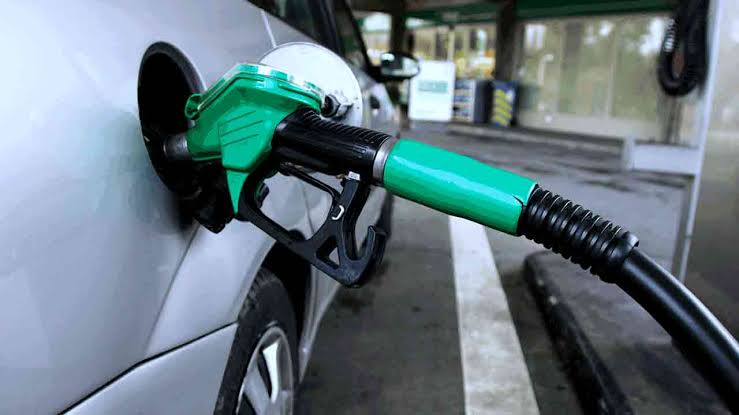
Transport fares are set for fresh increases across major Nigerian cities as petrol prices climb above N1,400 per litre, raising operating costs for commercial transporters and intensifying pressure on households and businesses.
Findings indicate that commuters in Lagos, Abuja, Ogun and Port Harcourt could soon face higher fares as transport operators seek to cushion the impact of rising fuel costs.
Checks showed petrol selling between N1,385 and N1,430 per litre at several filling stations in Lagos, while some outlets in Abuja were dispensing the product for as much as N1,450 per litre.
The latest increase comes amid a sharp rise in international crude oil prices, with Brent crude trading above $100 per barrel and reaching about $107 earlier in the week.
The surge has been linked to supply disruptions associated with the Middle East conflict and concerns over crude shipments through the Strait of Hormuz.
Transport, food prices face fresh pressure
The latest petrol-price increase is expected to have a cascading effect on transportation, logistics and the prices of goods and services.
Transport operators are likely to adjust fares to reflect higher fuel expenditure, while manufacturers, traders, farmers and logistics companies could transfer part of their increased operating costs to consumers.
READ ALSO; Rising crude prices threaten fresh petrol price hike in Nigeria
Food prices may also come under renewed pressure as the cost of transporting agricultural produce, raw materials and finished products rises.
For households, the financial burden is immediate. A family purchasing 50 litres of petrol monthly at between N1,400 and N1,450 per litre would spend about N70,000 to N72,500 on fuel alone.
The increase also follows a rise in the gantry price of petrol from Dangote Petroleum Refinery, which reportedly moved from N1,265 to N1,350 per litre, representing an N85 or 6.7 per cent increase.
CPPE seeks targeted intervention
The Centre for the Promotion of Private Enterprise (CPPE) has urged the Federal Government to introduce targeted relief measures for vulnerable households and businesses rather than return to a universal petrol subsidy.
CPPE Chief Executive Officer, Dr Muda Yusuf, said the increase from about N1,300 to N1,430 per litre had created significant cost-of-living, inflation and competitiveness challenges.
Yusuf urged the government to prioritise mass transit, affordable public transportation, rail freight and logistics infrastructure to reduce the cost of moving people and goods.
He also called for accelerated deployment of compressed natural gas, solar power and other distributed energy solutions to reduce dependence on petrol-powered energy.
According to him, assistance should focus on vulnerable households and productive businesses, particularly micro, small and medium-sized enterprises facing higher energy, logistics and financing costs.
He warned that a return to the pre-reform universal subsidy regime could be fiscally unsustainable and reverse gains recorded from downstream petroleum reforms.
NMDPRA: Petrol pricing deregulated
The Nigerian Midstream and Downstream Petroleum Regulatory Authority has maintained that petrol pricing is fully deregulated, with factors including crude acquisition costs, exchange rates, transportation, logistics and procurement timing influencing pump prices.
Yusuf said the more important issue was how governments deploy additional fiscal resources generated by subsidy removal.
“Citizens must see tangible benefits through improved public transportation, electricity, healthcare, education, food security, infrastructure and social protection,” he said.
With crude prices remaining above $100 per barrel and global supply uncertainties unresolved, concerns are growing that petrol could approach N1,500 per litre.
Any further increase would likely intensify pressure on transport fares, food prices, business costs and household incomes, making targeted interventions and investment in cheaper energy and transportation alternatives increasingly urgent.


-

 Football6 days ago
Banda, Chawinga make 2026 Women’s Ballon d’Or top 30 shortlist
-

 Featured6 days ago
Peter Obi, Makinde and the 2027 elections: Can unity really challenge APC?
-

 Business1 week ago
Nigerian Breweries’ H1 profitability strengthens as revenue hits N804bn
-
 Business7 days ago
Nigeria records N12.59trn trade surplus in Q2 2026 — NBS
-

 Latest1 week ago
Tinubu’s US legal battle: Group questions silence of elder statesmen
-

 Trending Stories4 days ago
Davido, Wizkid, Burna Boy or Asake: Who is having the biggest 2026 so far?
-
 Football4 days ago
Premier League releases 2026/27 festive fixtures, 7 matches set for Boxing Day
-

 Business2 days ago
Jetour Nigeria, dealers take dashing, other models to Abuja Experience