
Comments and Issues
Nigeria, this is how to handle presidential health information

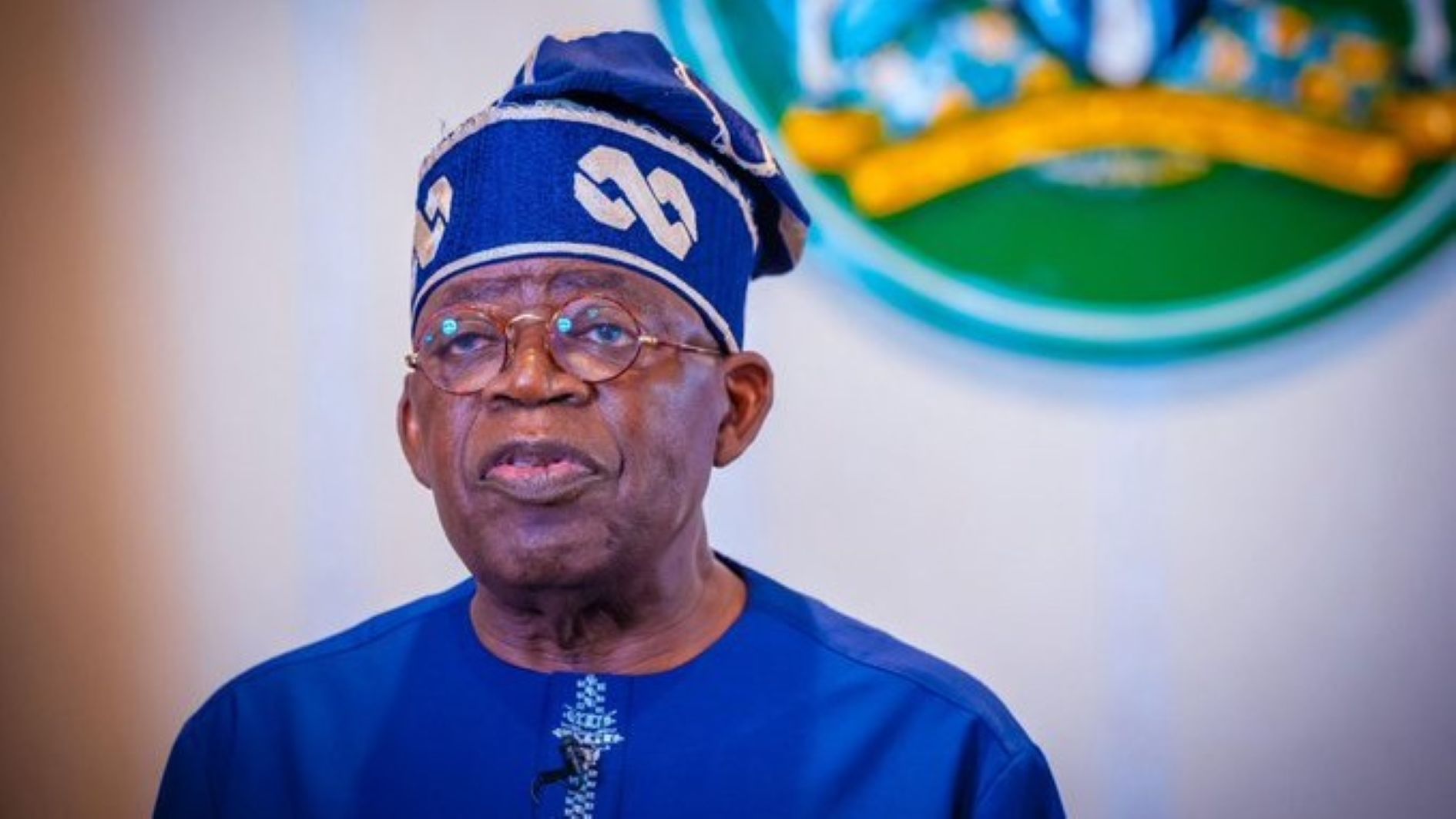
A few days ago, Pope Leo XIV, the head of the Roman Catholic Church, announced during his weekly audience at the Vatican that his doctors had advised him to undergo surgery to remove a small, localised nodule in his lung. The announcement, broadcast on television and shared across digital platforms, demonstrated a level of openness about a religious leader’s health that deserves public attention.
The Pope’s disclosure reflects a broader principle of transparency: leaders of major institutions, including political leaders in some advanced Western democracies, are increasingly expected to communicate responsibly with the public about significant developments affecting their health and their capacity to perform official duties.
This stands in sharp contrast to Nigeria, where successive presidents have often been criticised for concealing information about their health conditions while travelling abroad for medical treatment. The resulting secrecy fuels speculation, undermines public confidence and raises legitimate questions about constitutional accountability.
Umaru Musa Yar’Adua and the Secrecy Surrounding Presidential Health
One of Nigeria’s former presidents, Umaru Musa Yar’Adua, died in 2010 after a prolonged illness. His health condition had generated considerable controversy, particularly during his absence from the country while receiving medical treatment in Saudi Arabia.
The uncertainty surrounding his condition and his failure to formally transmit presidential authority to his deputy created a constitutional crisis. It eventually took the intervention of the National Assembly, acting under what became known as the Doctrine of Necessity, to enable Vice-President Goodluck Jonathan to assume the responsibilities of Acting President.
The episode exposed the dangers of allowing secrecy surrounding a president’s health to obstruct the constitutional continuity of government.
The same concerns arose during Muhammadu Buhari’s presidency, when his prolonged medical absences in the United Kingdom generated public debate about transparency, presidential capacity and the exercise of executive authority.
President Bola Ahmed Tinubu has also faced questions and speculation about his health, particularly during periods of overseas travel and following incidents in which he appeared to lose his balance in public.
We shall return to President Tinubu’s case. First, however, it is worth examining the example set by Pope Leo XIV and the approach taken in the United States.
Pope Leo XIV’s Openness About His Health
According to reports from the Vatican, Pope Leo XIV was scheduled to be admitted to Rome’s Gemelli Hospital on Tuesday, October 13, for surgery to remove a small, localised nodule in his lung. The condition was reportedly discovered during medical examinations, and the Pope informed the public about the planned procedure.
The Vatican subsequently indicated that his hospitalisation would require adjustments to his official schedule, including the cancellation or reassignment of some engagements.
The Pope’s announcement was significant not merely because it concerned a prominent religious leader, but also because it demonstrated how an institution can communicate a medical development without abandoning the patient’s right to privacy.
The Vatican explained that the Pope’s hospital stay was expected to last approximately one week. His medical situation also affected arrangements for a meeting marking the tenth anniversary of the publication of Amoris Laetitia, Pope Francis’s apostolic exhortation on love in the family.
Jesuit Father Giacomo Costa, who was involved in organising the meeting, explained that changes would be necessary because of the Pope’s surgery and subsequent recovery.
One important adjustment concerned a Mass scheduled to take place in St Peter’s Square. Pope Leo would no longer preside over the celebration, and Cardinal Luis Antonio Tagle was entrusted with that responsibility.
Father Costa indicated that prayers would be offered for the Pope’s health and for families.
The Pope’s hospitalisation also affected plans for the preparation of a synthesis report following the meeting. According to Father Costa, Pope Leo wanted to listen to the participants’ conclusions and offer his own reflections before the report was published.
This example illustrates that transparency does not require a public figure to disclose every medical detail. Rather, it involves providing sufficient reliable information to explain significant changes in official responsibilities, reassure the public where appropriate and prevent unnecessary speculation.
The Pope’s approach offers a useful lesson for political leaders, public institutions and corporate organisations.
The United States and Presidential Health Disclosure
Pope Leo XIV is not alone in demonstrating the importance of communicating information about a leader’s health. In the United States, presidential medical examinations have also attracted considerable public attention.
President Donald Trump has publicly discussed his medical appointments at Walter Reed National Military Medical Center. Reports have also described visits for medical and dental examinations, including advanced imaging undertaken to investigate potential health concerns.
Trump, who turns 80 in June 2026, is the oldest person to have assumed the American presidency. He has repeatedly maintained that he is in excellent health, even as questions about his physical condition have circulated in the media.
During his political campaigns, Trump frequently presented his energy and physical stamina as strengths, contrasting himself with political opponents. Nevertheless, episodes involving apparent drowsiness and visible bruising on his hand have prompted further questions.
The White House has attributed the bruising to factors including frequent handshaking and aspirin use. In addition, the president was reported to have been diagnosed with chronic venous insufficiency after medical examinations prompted by mild swelling in his legs.
Reports have also described differences between the initial public characterisation of some medical appointments and the procedures subsequently disclosed. For example, an examination initially described as a routine follow-up was later reported to have included a CT scan of the heart and abdomen.
In a statement attributed to presidential physician Dr Sean Barbabella, the medical team explained that the advanced imaging had been undertaken to rule out cardiovascular problems and that the results were normal.
The significance of these disclosures is not that every detail of a president’s medical history must become public property. Rather, they illustrate how official explanations can help address legitimate questions about a president’s health while leaving confidential medical information protected.
Presidential health is a matter of public interest because it can affect the performance of constitutional duties. However, the public interest must be balanced against the individual’s right to medical privacy.
Tinubu Returns From Vacation and Rejects Health Rumours
President Bola Ahmed Tinubu’s health has remained a subject of public debate.
In January 2025, during a visit to Turkey, Tinubu reportedly stumbled and fell while being received by Turkish President Recep Tayyip Erdoğan. Another incident occurred in June 2024, when he fell during a public event in Nigeria. On that occasion, the president reportedly joked about the incident, while one of his media aides described it as a mild misstep.
Such incidents can generate public concern, particularly when they involve an elderly head of state. However, a stumble or fall, by itself, does not establish that a person has a serious medical condition or is incapable of performing official duties.
When Tinubu returned to Nigeria following a four-week vacation in Europe, speculation circulated that he had been hospitalised. The president rejected concerns about his health and insisted that he was fit to continue governing.
Speaking to journalists upon his arrival in Lagos after spending part of his vacation in France, Tinubu said there was nothing wrong with him.
He was quoted as saying: “Ready to kick, ready to walk. There’s nothing wrong. Rumour will always be emanating from politics, but the facts remain: I’m here. Healthy, sound, and ready to go.”
The president was entitled to reject unfounded rumours. Nevertheless, a general assurance that a leader is healthy may not always be sufficient to address legitimate questions arising from prolonged absences, unexplained changes to official engagements or uncertainty about the exercise of presidential responsibilities.
The challenge for Nigeria is to establish a credible standard of communication that neither encourages malicious speculation nor permits secrecy to undermine constitutional accountability.
Is the Public Entitled to Know More Than the President Volunteers?
This question raises an important ethical and legal dilemma: to what extent should the public be entitled to information about the health of a president or another senior public official?
The Los Angeles Times, in reporting on this issue, explored the views of medical experts who argued that complete transparency must be balanced against patient confidentiality.
Dr Robert Klitzman, a psychiatrist and bioethicist at Columbia University, reportedly observed that full transparency would be desirable in an ideal world. However, he and other experts emphasised that no patient, including a president, should automatically be compelled to disclose every aspect of their medical history.
The reasoning is straightforward. A successful doctor-patient relationship depends on trust, including confidence that sensitive medical information will not be disclosed without an appropriate justification.
Doctors need patients to speak candidly about their symptoms, medical histories and personal circumstances to make accurate diagnoses and recommend effective treatment. If patients fear that every consultation will become public knowledge, they may withhold information or avoid seeking medical attention.
George Annas, a professor of health law, bioethics and human rights at Boston University, has similarly highlighted the importance of confidentiality in ensuring that patients receive appropriate medical care.
These considerations remain relevant when the patient is a president.
The principle of medical confidentiality has deep historical roots, traditionally associated with the Hippocratic tradition of medical ethics. The Hippocratic Oath contains a commitment to keep confidential information about patients’ lives that ought not to be disclosed.
In the United States, the Health Insurance Portability and Accountability Act of 1996, commonly known as HIPAA, established important federal protections for medical information held by covered healthcare providers and other regulated entities.
There are, however, circumstances in which confidentiality may be limited by law. Depending on the applicable legal framework, these may include certain threats of serious harm and specified public-health reporting obligations.
It is important to distinguish these limited exceptions from a general entitlement to know a patient’s medical history. A president’s public position does not automatically eliminate the right to medical privacy.
Nevertheless, the presidency is not an ordinary private role. A president exercises substantial constitutional powers, and serious illness may affect the ability to discharge official responsibilities. Consequently, the public has a legitimate interest in knowing whether the president remains capable of performing those duties and whether constitutional arrangements have been activated to ensure continuity of government.
The appropriate standard should therefore be responsible transparency, rather than unlimited disclosure or absolute secrecy.
What Does the Nigerian Constitution Say?
The Nigerian Constitution provides mechanisms for addressing presidential absence and incapacity. These provisions demonstrate that the health of a president or vice-president is not merely a private matter when it affects the functioning of government.
Section 145 of the Constitution of the Federal Republic of Nigeria 1999, as amended, addresses the temporary transfer of presidential functions. It provides for the president to transmit a written declaration to the President of the Senate and the Speaker of the House of Representatives when proceeding on vacation or otherwise unable to discharge the functions of the office. The vice-president then performs those functions as Acting President until the constitutionally prescribed process for resumption takes effect.
Section 144 addresses the situation in which the president or vice-president is unable to discharge the functions of office because of permanent incapacity. It establishes a procedure involving the Federal Executive Council and a medical panel to determine whether the relevant officeholder is permanently incapable of performing those functions.
Section 143, meanwhile, concerns the removal of the president or vice-president through impeachment on grounds of gross misconduct. It should not be confused with the separate constitutional procedure dealing with permanent incapacity under Section 144.
These distinctions matter. Illness does not automatically disqualify a president from office, and a medical condition is not, by itself, proof of constitutional incapacity. The relevant question is whether the circumstances engage the constitutional procedures governing absence, temporary inability or permanent incapacity.
The Constitution does not impose a general obligation on the president to publish a complete medical record. Nevertheless, it establishes procedures intended to ensure that the government continues to function when the president is unable to discharge official responsibilities.
This is precisely why communication about presidential health must be treated as an issue of public administration and constitutional accountability.
Where a president is temporarily unable to perform official duties, the public should receive timely and accurate information about the constitutional arrangements governing the exercise of presidential powers. Where questions arise about permanent incapacity, the constitutionally prescribed process should be followed rather than allowing speculation to substitute for established procedures.
The same principles of responsible governance should guide other public officeholders whose health may materially affect the performance of their official duties.
Conclusion: Transparency Without Sacrificing Privacy
The examples discussed above demonstrate that a workable balance can be achieved between medical confidentiality and public accountability.
The public does not need access to every diagnosis, laboratory result or detail of a president’s private medical history. Nor should political opponents be permitted to turn every illness, hospital visit or physical stumble into an excuse for baseless allegations.
However, Nigerians are entitled to expect honest and timely communication when a president’s health materially affects official duties, requires prolonged absence or raises legitimate questions about the constitutional continuity of government.
A president who is ill should not be treated as though illness were a moral failing. Leaders are human beings, subject to the same physical vulnerabilities as everyone else. What matters is whether they receive appropriate medical care and whether the institutions of government continue to operate in accordance with the Constitution.
Nigeria should therefore develop a clear, credible and responsible approach to presidential health communication. Such an approach should protect confidential medical details while ensuring that significant absences, changes in official responsibilities and constitutional arrangements are explained accurately.
Pope Leo XIV’s reported disclosure of his medical condition provides a useful example of how a prominent leader can communicate a significant health development while allowing medical professionals to manage his treatment and recovery.
The lesson for Nigeria is not that presidents must disclose every medical detail. It is that public confidence is strengthened when leaders communicate honestly, institutions act transparently and constitutional responsibilities are respected.
Ultimately, transparency about presidential health is not simply a matter of personal courtesy. It is an important element of responsible leadership, public trust and democratic accountability.
Emmanuel Nnadozie Onwubiko is the founder of the Human Rights Writers Association of Nigeria (HURIWA) and a former National Commissioner of the National Human Rights Commission of Nigeria.


-
 Latest1 week ago
Israel marks 3 years since October 7 Hamas attack amid Gaza strikes, election debate
-

 Energy1 week ago
Fuel Battle: Dangote, marketers and government clash over petrol imports
-

 Latest2 days ago
Full List: Meet the 2026 Nobel Prize winners across six categories
-
 Featured6 days ago
103 Million Voters: What does INEC’s new register say about Nigeria’s population?
-

 Business1 week ago
Nigerian startup 3650HQ moves to cut rising WhatsApp costs for businesses
-

 Business6 days ago
The Ministry of Commerce of Loveworld gets a $1 million boost for new investment fund at LTIF 2026 to promote Trade in Ghana
-

 Features6 days ago
Edo’s 2.5 million vote promise: Can the numbers match the politics?
-

 Football2 days ago
Premier League Matchweek 7: Five Fixtures That Could Shape the Weekend