
Latest
The price of survival: How economic hardship is reshaping Nigerian diets

By Ihuoma Inyama
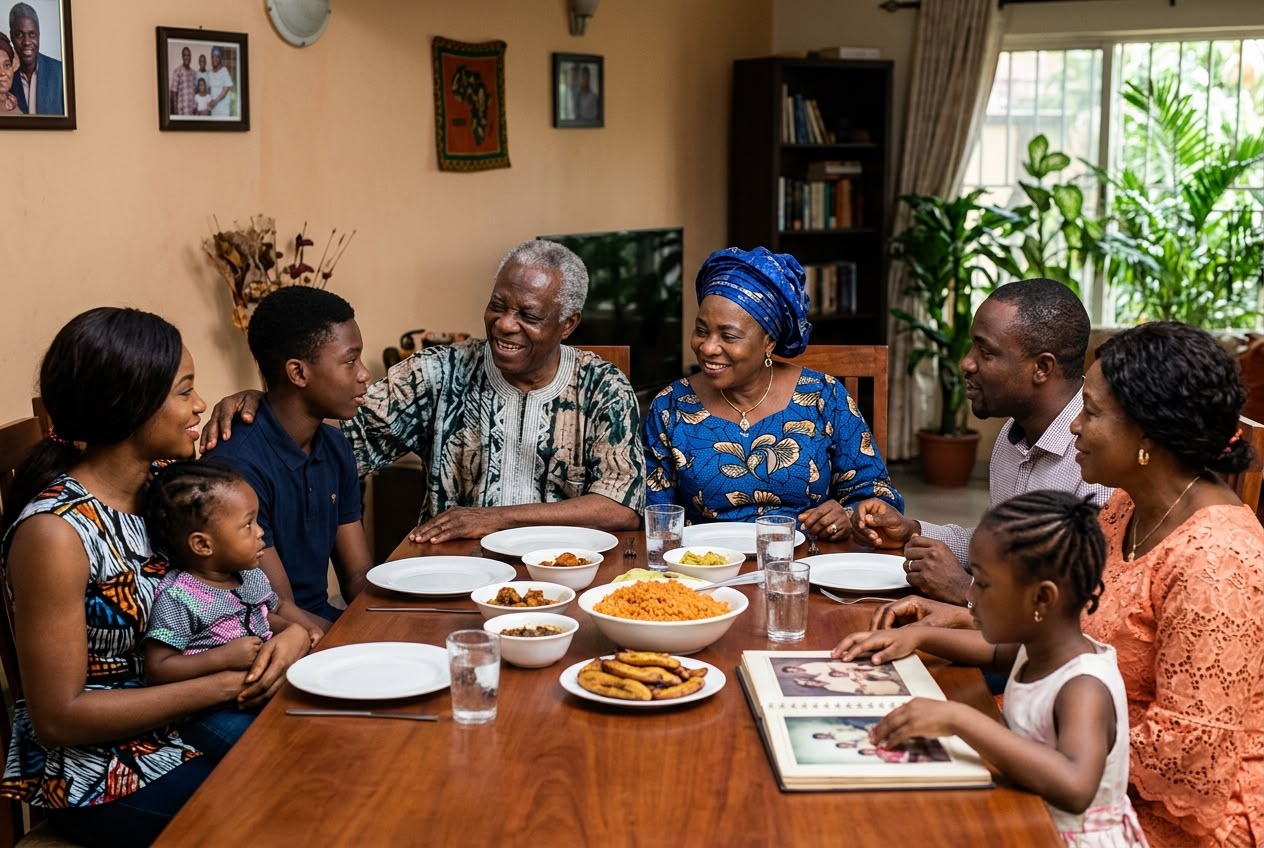
For many Nigerian families, deciding what to cook is no longer simply a matter of preference. It is a daily calculation of what can be afforded, what can be stretched and, sometimes, who gets to eat.
The familiar question of “What are we eating today?” has taken on a different meaning as the cost of food continues to put pressure on household incomes. Meals that were once considered ordinary are increasingly treated as luxuries, while parents find themselves replacing familiar ingredients with cheaper alternatives or reducing the quantity of food on the table.
For some households, the changes are subtle. Meat and fish appear less frequently. A meal that once included several pieces of protein may now come with just one. Families buy smaller quantities of rice, beans, garri and other staples, hoping they will last until the next payday.
For others, the changes are more painful.
Some parents skip breakfast so their children can eat before school. Others reduce themselves to one or two meals a day, particularly towards the end of the month when money begins to run out. What looks like a full plate in front of a child may represent a parent going hungry somewhere else in the house.
READ ALSO; Rising food costs push monthly feeding budget for Lagos family of five above ₦250,000
The pressure has also changed how families plan their meals. Rather than cooking what they want, many households now begin with the amount of money available and work backwards.
A parent with limited cash may choose a pot of soup that can be stretched over several days, buy less expensive cuts of meat or replace a preferred protein with eggs. Meals are increasingly planned around survival rather than variety.
The effect is not only financial. It is also changing family habits and expectations.
Children who once expected meat, fish or chicken with their meals may now be told to manage without them. Snacks and treats are among the first things to disappear from household budgets, while parents increasingly prioritise staples that can keep everyone fed.
For families already living on tight incomes, an unexpected expense can make the situation even harder. Transport costs, school expenses, medical bills and rising household needs compete with the same money that is meant to provide food.
This leaves parents making choices that would once have seemed unthinkable: postponing a purchase, borrowing money, eating less or going without something themselves so that their children can have enough.
Behind the broader conversations about inflation and food prices are therefore thousands of ordinary decisions being made inside Nigerian homes every day.
READ ALSO; Food Security at Risk as Insecurity Disrupts Farming Activities in Nigeria
A mother dividing a small portion of food among her children. A father returning home with less food than he had hoped to buy. A family stretching one pot of soup for another day. A child asking for a favourite meal and being told there is no money for it.
These are the quieter consequences of the cost-of-living crisis.
As food becomes more expensive, the real measure of the crisis is not only what a bag of rice or a basket of tomatoes costs. It is also what families are forced to remove from their plates, how often they eat and how much parents are willing to sacrifice to ensure their children do not go to bed hungry.


-

 Featured6 days ago
Inside INEC’s race to prepare for Nigeria’s 2027 elections
-

 Latest1 week ago
Global excitement builds as Healing Streams Live Services returns October 23
-

 Featured6 days ago
2027: APC unveils nationwide campaign timetable, Tinubu to rally in 12 states
-

 Business1 week ago
President Tinubu and the Low Transport Fares Fiasco
-
 Business1 week ago
BREAKING: Nigeria’s Inflation Rate Drops to 14.63% in September
-
 Business3 days ago
Naira faces exchange rate gap as Dollar hits N1,380 on parallel market
-
 Business6 days ago
Court dismisses ₦170m Trade Fair contract claim, says Zenith Bank was not a party
-
 Latest6 days ago
Breaking: NNPCL raises petrol price to ₦1,405 per litre amid discount controversy