
Business
AFRIMA advocates concerted measures to combat drug abuse in Africa’s creative industry

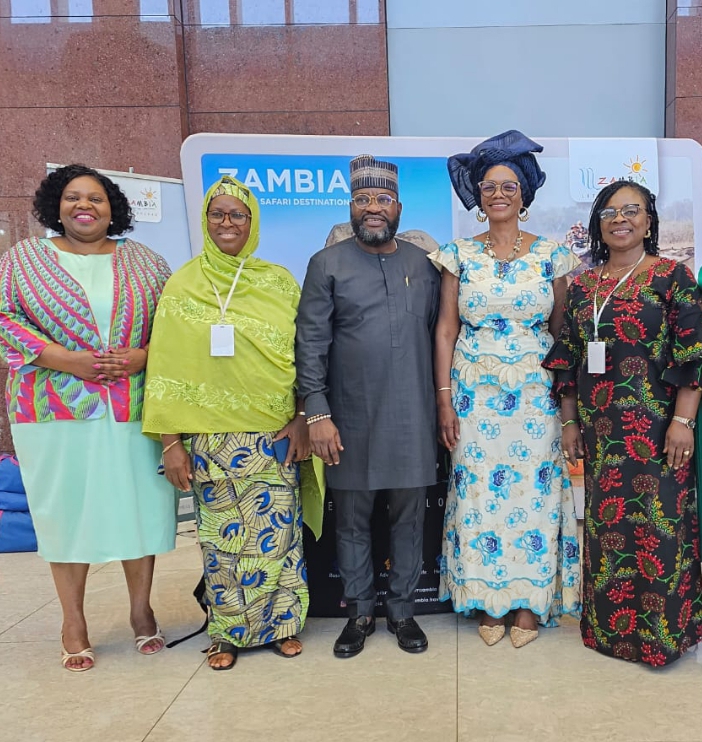
The burgeoning creative industry on the continent, encompassing music, film, fashion, and other artistic realms, has witnessed remarkable growth and international recognition. But beneath the surface of this success, there exists a darker narrative, which is the prevalence of drug abuse within the creative circles, one that the All Africa Music Awards (AFRIMA) has now sought collaboration to address head-on.
The President and the Executive Producer of AFRIMA, Mike Dada, made the call during the High-Level Session on Addressing Substance Use and Related Mental Health Disorders organized by the African Union in Lusaka, Zambia, held between November 8 and 10.
The event, themed “Securing a Better Future for Youth, Women, and Children: Building Momentum towards Africa We Want,” gathered Presidents from various African countries, ministers, diplomats, and technocrats.
While speaking at the prestigious event, Dada expressed deep concern over how drug abuse has negatively impacted many stars, resulting in lives lost and debilitating illnesses. Citing a report, he revealed that drug abuse and related disorders claimed the lives of 379 celebrities across Africa from 1995 to 2013, with around 5,304 incidents of life-threatening illnesses recorded within the same period.
Dada also underscored the importance of a stronger legal framework to ensure artists use their platforms responsibly. AFRIMA supports measures enforcing penalties for artists producing content glorifying drug use, promoting personal responsibility within the creative community.
READ ALSO: AFRIMA demands justice for slain music star, AKA
“Artists are role models but unfortunately audiences of some of them are aware of their involvement with drugs and that is why we believe that holding individuals accountable for drug-related offences within the creative industry is essential to creating a deterrent effect and fostering a culture of responsibility.
“We also believe that we can have an industry that can self-regulate on the issue of drug and drug abuse; the sector can adopt some measures including compelling artists to sign contracts with clauses that explicitly prohibit drug use. This can act as a deterrent. Artists and industry professionals should be made aware of the consequences of drug abuse, including contract termination, legal actions, and damage to reputation,” he added.
Dada stressed that drug abuse within the creative community poses a threat to the health and well-being of artists and the sustainability of the industry. He called for a comprehensive, collaborative solution involving artists, industry stakeholders, governments, and the public.
READ ALSO: AFRIMA unveils 3 new categories to capture all music aspects
“The menace of drug abuse and disorder in the creative sector reflects how deeply the malaise has eaten into African society, and we at AFRIMA recognize that a comprehensive solution requires a collaborative effort from artists, industry stakeholders, governments, and the public,” he said.
Highlighting the need to target the supply channels, Dada insisted on strengthening measures against drug trafficking and distribution. He advocated for robust actions to identify and eliminate sources of illegal substances, preventing their infiltration into the creative industry.
Dada said authorities must strengthen measures against drug trafficking and distribution, insisting that by targeting the supply channels, the flow of drugs into the hands of artists and consumers would be disrupted.
“The influx of illicit drugs poses a significant threat to public health, security, and the overall well-being of African society. It is evident we don’t have sufficient rehabilitation centres and policies to help addicts hence the need for implementing robust measures to identify and eliminate sources of illegal substances, preventing their infiltration into the creative industry; through the adoption of measures including effective border control, increased maritime security, utilization of advanced technology, increased penalties for traffickers, integration of intelligence gathering and integration of intelligence gathering among others. This is crucial for safeguarding communities and ensuring a healthier creative industry,” he added.














-

 Business1 week ago
Dangote Refinery IPO: 70% Subscription claim meets fourfold demand assertion as investors seek clarity
-
 Featured4 days ago
Inside INEC’s race to prepare for Nigeria’s 2027 elections
-

 Featured5 days ago
2027: APC unveils nationwide campaign timetable, Tinubu to rally in 12 states
-

 Latest7 days ago
UCTH faces morgue crisis as 50 unclaimed corpses await mass burial
-

 Aviation1 week ago
Germany opens online application route for student, EU Blue Card and other long-stay visas
-
 Business7 days ago
BREAKING: Nigeria’s Inflation Rate Drops to 14.63% in September
-

 Business6 days ago
President Tinubu and the Low Transport Fares Fiasco
-

 Business5 days ago
Court dismisses ₦170m Trade Fair contract claim, says Zenith Bank was not a party