
Latest
Army Chief urges financial institutions to block terrorist funding networks

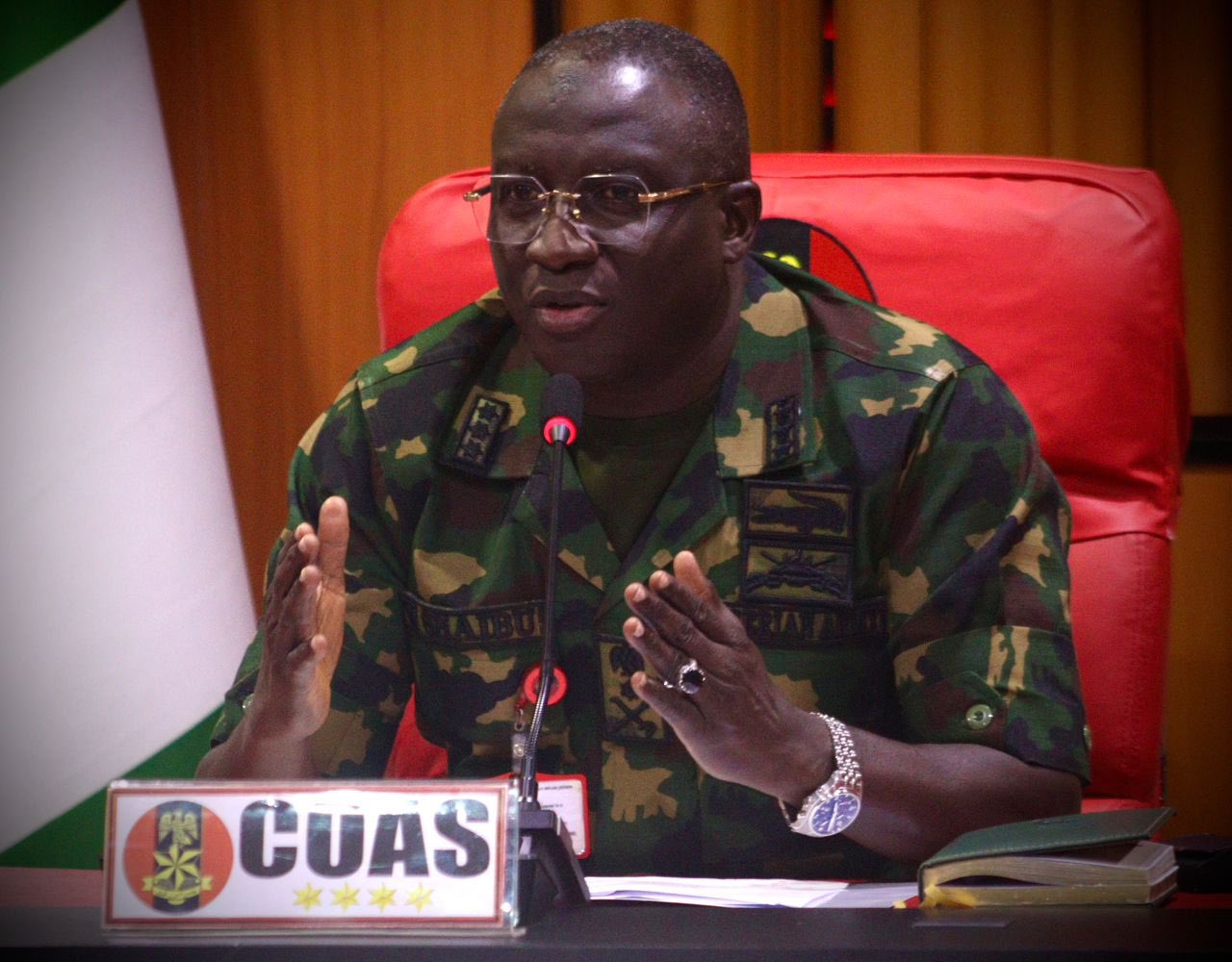
The Chief of Army Staff (COAS), Lieutenant General Waidi Shaibu, has called on Nigeria’s banking industry to play a more proactive role in combating terrorism financing, money laundering and other illicit financial activities that continue to fuel insecurity across the country.
Shaibu made the appeal on Monday while receiving the Group Managing Director and Chief Executive Officer of United Bank for Africa (UBA), Mr. Oliver Alawuba, at the Army Headquarters in Abuja.
The Army Chief described the financial sector as a strategic partner in Nigeria’s national security architecture, stressing that cutting off the financial lifelines of terrorist groups, bandits, kidnappers and organised criminal networks remains critical to achieving lasting peace and stability.
Addressing Alawuba, who also serves as Chairman of the Body of Bank CEOs, Shaibu urged financial institutions to strengthen surveillance mechanisms, improve regulatory compliance and enhance intelligence-sharing frameworks capable of identifying and disrupting suspicious financial transactions.
According to him, closer collaboration among banks and other financial institutions is essential for tracing illicit funds and dismantling the financial networks that sustain criminal activities across the country.
“Disrupting the financial lifelines of criminal networks remains a key component of Nigeria’s counter-terrorism and internal security strategy,” the Army Chief stated.
He noted that criminal and terrorist organisations rely heavily on financial channels to recruit members, acquire logistics, move resources and sustain operations, making the financial sector a frontline partner in the nation’s fight against insecurity.
Shaibu further called on the banking industry to deploy more resources, expertise and technology toward strengthening financial intelligence systems capable of detecting unusual transactions and preventing funds from reaching criminal elements.
The Army Chief also used the occasion to highlight ongoing efforts by the Nigerian Army to improve the welfare and living conditions of its personnel, describing welfare as a vital component of military effectiveness and operational readiness.
READ ALSO: Army rescues 360 kidnap victims in major Borno operation, two die during extraction
He disclosed that the Army is working with UBA on the development of structured mortgage and housing schemes designed to increase homeownership opportunities for serving and retired military personnel.
According to him, the initiative aligns with broader efforts to modernise military barracks and improve accommodation facilities for officers and soldiers across the country.
“The welfare of our personnel remains a priority. Providing access to affordable housing will not only improve their quality of life but also boost morale and productivity,” he said.
In his response, Alawuba reaffirmed UBA’s commitment to supporting the Nigerian Army through innovative financial solutions and welfare-focused programmes.
The UBA chief pledged the bank’s continued support for initiatives aimed at improving the living standards of military personnel, including mortgage financing, housing development and infrastructure projects.
He also assured the Army leadership of the bank’s readiness to facilitate efficient financial services for Nigerian troops participating in international peace support and peacekeeping operations.
Alawuba noted that financial institutions have a responsibility not only to support economic growth but also to contribute meaningfully to national development and security.
The Army Chief’s call comes amid renewed efforts by the Federal Government and regulatory agencies to curb terrorism financing and strengthen anti-money laundering frameworks.
Authorities have repeatedly warned banks, financial institutions and professional service providers against facilitating or enabling suspicious financial transactions linked to terrorist groups and criminal syndicates.
The government has maintained that institutions found culpable in terrorism financing could face severe sanctions, including hefty fines, regulatory penalties, licence suspension and possible criminal prosecution of responsible executives.


-

 Latest5 days ago
Full List: Meet the 2026 Nobel Prize winners across six categories
-

 Football5 days ago
Premier League Matchweek 7: Five Fixtures That Could Shape the Weekend
-
 Latest4 days ago
Umahi defends Lagos-Calabar highway route changes amid public outcry
-
 Business3 days ago
Dangote Refinery IPO: 70% Subscription claim meets fourfold demand assertion as investors seek clarity
-
Business4 days ago
Dangote Refinery IPO Extension: Was the 70% subscription report overhyped?
-

 Latest2 days ago
UCTH faces morgue crisis as 50 unclaimed corpses await mass burial
-
 Featured4 days ago
El-Rufai, ADC governorship candidate’s court appearance puts Kaduna opposition politics in focus
-
 Latest5 days ago
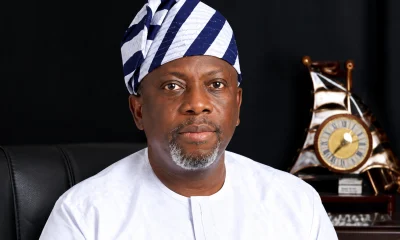
Makinde’s Chief of Staff, Segun Ogunwuyi, resigns