
Featured
Artificial sweeteners linked to cancer, study shows

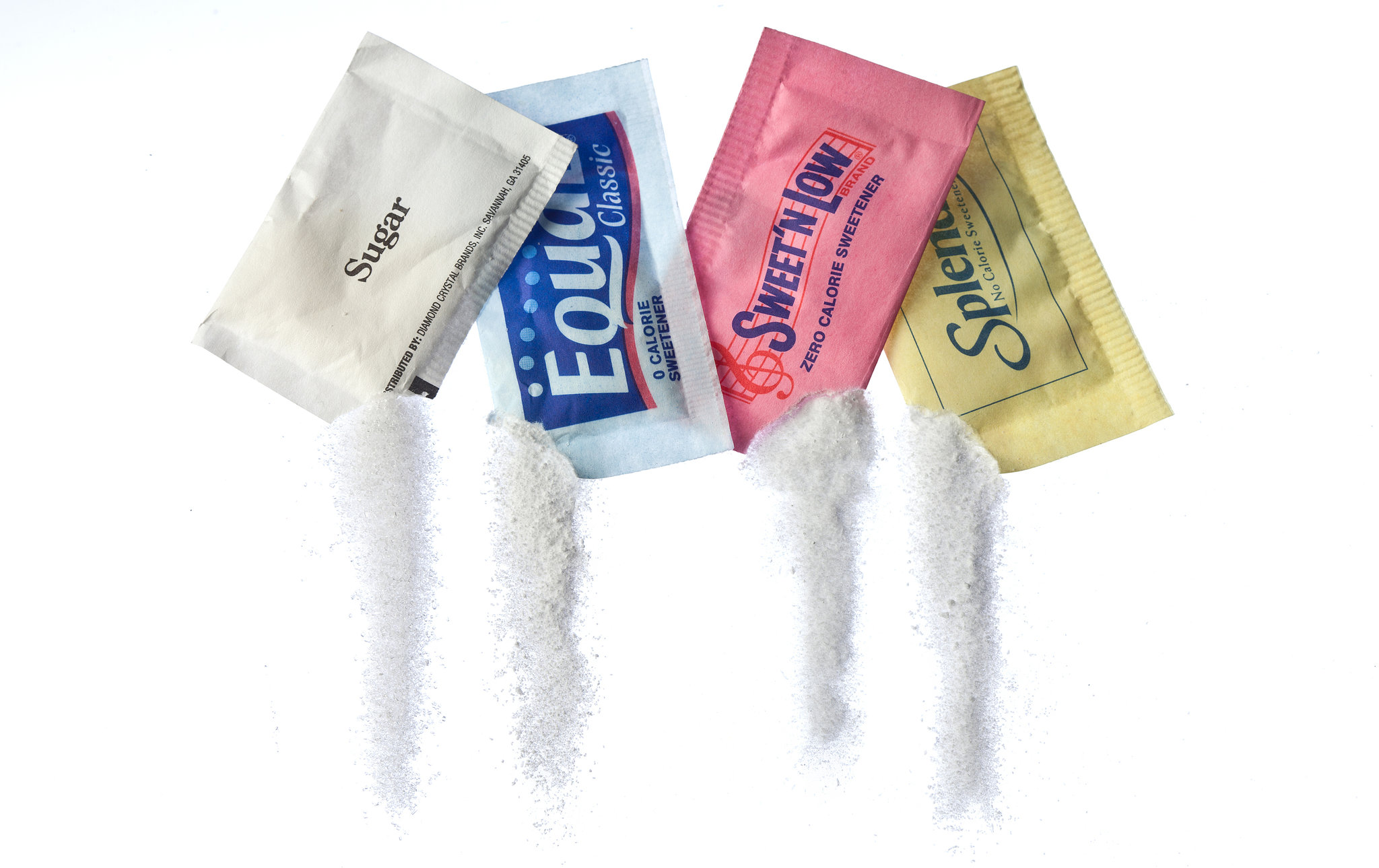
A study released this month shows a link between artificial sweeteners and cancer, even after controlling for factors known to contribute to cancer, including age, weight gain, physical activity and family history of cancer.
A team of scientists from the French National Institute for Health and Medical Research and Sorbonne Paris Nord University in France sought to look at the safety of artificial sweeteners — a topic that has been the subject of debate since they were released, despite multiple studies demonstrating adverse health effects.
This team looked at data from 102,865 adults enrolled in the ongoing NutriNet-Santé study against the risk of cancer. Enrollment was voluntary, during which participants self-reported their diet, lifestyle, health data, medical history and socio-demographic information.
READ ALSO: Diabetes: 3 healthy drinks that can help reduce excess sugar in your blood
Past studies had resulted in conflicting findings. This team was interested in the carcinogenicity of specific artificial sweeteners, including sucralose, aspartame and acesulfame-K, also known as Ace-K and marketed as Sunnet and Sweet One.
Artificial sweeteners are commonly found in diet and low-calorie foods. However, they are also found in foods that you may have thought were either sweetened with sugar or not sweetened at all, such as bread, Pedialyte, Greek yogurt, granola cereal, non-diet ginger ale and microwave kettle popcorn.
Evidence suggests that artificial sweeteners also trigger beneficial bacteria to become pathogenic, lower the number of gut bacteria and raise the risk of obesity, Type 2 diabetes, cardiovascular disease and stroke.
Artificial sweeteners not only are linked to neurobehavioral changes, depression, headache, poor mood, but also could trigger seizures. Although manufacturers use the lure of low or no calories, the sweeteners may promote weight gain and can harm your health.
A study published on March 24 supports past research that shows artificial sweeteners can increase your risk of cancer. Many people make the mistake of believing that since artificially sweetened products have fewer calories and no sugar, they, therefore, must be healthier.
Yet, there is mounting evidence that the rising rates of obesity and cardiovascular disease are linked to consuming food products with artificial sweeteners. Artificial sweeteners became more popular after thousands of studies over many decades showed that sugar damages your health.
READ ALSO: Signs that shows your blood sugar is high and 2 ways to reduce it
As the sugar industry has successfully manipulated the evidence and misdirected the public, it also created a demand for artificial sweeteners with zero calories.
Sugar-sweetened beverages are the leading source of added sugar in the U.S., estimated to account for 341.1 calories from drinks in an adult’s diet and 312.6 calories in a child’s diet every single day.
Despite this damaging evidence, sales have continued to rise, from $314.4 million in 2013 to $414.8 million in 2021.
This offers further evidence of both the addictive quality of sugar and artificially sweetened food and drink and the effectiveness of the sugar industry’s ability to hide the evidence.
Beverage makers advertise their artificially sweetened products as a healthier alternative to sugar, which makes it confusing since when it comes to health, artificial sweeteners cause just as many health problems as sugar.


-

 Latest6 days ago
Full List: Meet the 2026 Nobel Prize winners across six categories
-

 Football6 days ago
Premier League Matchweek 7: Five Fixtures That Could Shape the Weekend
-

 Business4 days ago
Dangote Refinery IPO: 70% Subscription claim meets fourfold demand assertion as investors seek clarity
-

 Latest5 days ago
Umahi defends Lagos-Calabar highway route changes amid public outcry
-

 Latest3 days ago
UCTH faces morgue crisis as 50 unclaimed corpses await mass burial
-
Business5 days ago
Dangote Refinery IPO Extension: Was the 70% subscription report overhyped?
-

 Featured5 days ago
El-Rufai, ADC governorship candidate’s court appearance puts Kaduna opposition politics in focus
-

 Business3 days ago
BREAKING: Nigeria’s Inflation Rate Drops to 14.63% in September