
News
Austria no longer dependent on Russian gas, regulator confirms
Austria has officially cut its reliance on Russian gas, with the country’s energy regulator confirming alternative supply routes and high storage levels to ensure homes stay warm this winter and beyond.

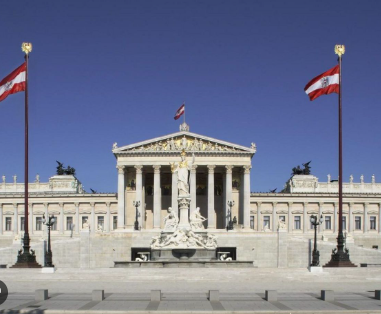
Austria has officially ended its dependency on Russian gas, according to a report from the country’s electricity and gas regulator, E-Control, released on Friday.
Alfons Haber, the head of E-Control, confirmed that Austria, which had been drawing up to 80% of its gas needs from Russian sources earlier this year—unlike Germany and other EU nations—has now secured alternative supply routes.
“Even if Russia halts its gas supplies, Austrian homes will not be left without heating this winter or next,” Haber said, emphasizing the country’s readiness for the winter months.
ALSO READ : Nigeria set to Host 2025 CricketT20 World cup sub-regional African qualifier in Abuja
He explained that Austria’s high gas storage levels, which currently exceed 90%, along with new supply routes for liquefied natural gas (LNG) via Germany and Italy, have ensured the country’s energy security moving forward.
The announcement comes amid rising uncertainty regarding the stability of Russian gas supplies to Europe, which have been disrupted in recent months.










-

 Featured7 days ago
Inside INEC’s race to prepare for Nigeria’s 2027 elections
-
 Featured7 days ago
2027: APC unveils nationwide campaign timetable, Tinubu to rally in 12 states
-
 Business4 days ago
Naira faces exchange rate gap as Dollar hits N1,380 on parallel market
-

 Business7 days ago
Court dismisses ₦170m Trade Fair contract claim, says Zenith Bank was not a party
-
 Latest7 days ago
Breaking: NNPCL raises petrol price to ₦1,405 per litre amid discount controversy
-
 Featured1 week ago
From kitchen to Supreme Court: Nigerian’s fight over alleged support for terrorists
-

 Football1 week ago
Maresca reveals Guardiola’s reaction to Man City’s 4-2 defeat to PSG
-

 Business6 days ago
NCC launches Internet Governance Working Group to tackle AI risks, boost online safety