
Business
Can Atiku revive Nigeria’s struggling economy

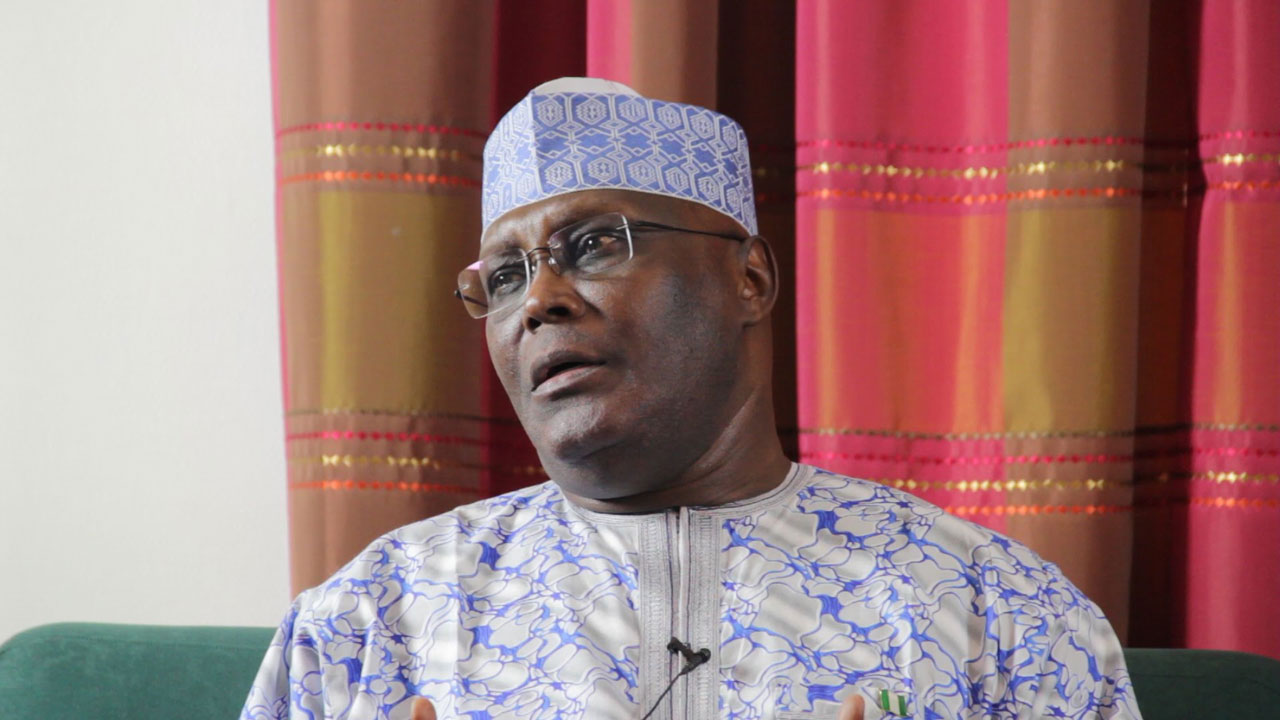
By Odunewu Segun
There was a high degree of optimism over Buhari changing Nigeria for the better by reviving economic growth and fighting corruption and insecurity. Much has happened over the past few years under the Buhari regime, with the nation going through various trials and tribulations.
As another election approaches, the bad state of the economy in the last three and half years, may be the President albatross. And many of his opponents, chief of which is former Vice President Atiku Abubakar, are quick to point this out.
For instance, Nigeria’s unemployment rate has jumped 18.8% over the past three years, while youth unemployment rate is currently around 33.1%. Inflation rose to gravity-defying levels, from 9.8% in May 2015 to a 12-year high of 18.72% in January 2017.
According to the national Bureau of Statistics, Nigeria’s consumer price index (CPI), otherwise referred to as inflation rate for goods and services, rose to the highest level since May, at 11.28 percent in September 2018.
The statistics agency, in its latest CPI report published last week in Abuja, said the new rate, albeit a marginal increase by 0.05 percent, rose from 11.23 percent recorded in August, about 0.84 percent rise on a monthly basis.
Amid general increases in prices of goods and services, the latest rise is the second in two successive months after 18 consecutive months of decline, from about 17.78 percent in February 2017 to 11.14 percent in July 2018.
Though there are scores of presidential aspirants aiming to take over Nigeria’s seat of power, Aso Rock, Atiku Abubakar will be President Buhari’s main challenger come February 16, 2019.
Interestingly, Atiku is not new to the presidency, as he was the deputy Commander-in-Chief to President Olusegun Obasanjo, from 1999 to 2007. Nevertheless, being the general commander (president) is a different ball game entirely.
He was reported to be very powerful and influential in the administration of President Obasanjo in the early 2000s, when Nigeria recorded some economic advancements, before falling out of favour with his boss, towards the tail end of their second tenure.
That administration is still regarded by many to have assembled Nigeria’s best economic team ever, comprising world-class professionals that included Ngozi Okonjo-Iweala, Charles Soludo, Nuhu Ribadu, Nenadi Usman, Nasir El-Rufai, etc.
The economic team was led by Atiku and it achieved several economic feats, among which was stable economic growth, which saw the Nigerian economy grow at 33.7% in 2004, 10.4% in 2003, 8.2% in 2006, etc.
The economic team’s greatest achievement was securing a debt relief of $18 billion for Nigeria, from the Paris Club of Creditors in 2006.
Speaking recently in Minna, Atiku lamented the high level of joblessness and poverty in Nigeria, claiming that recent indices in Nigeria have revealed that the nation has not fully recovered from the recession.
He identified waste, poor management and failure to diversify the economy, as the reasons for the adverse economic impact of the fall in oil price then.
“If you ask what our first task was, coming into government in 1999, it was to bring stability to the economy after decades of military rule. Between 1999 and 2003, oil prices then were hovering between $16 and $28, yet we managed to pay up salaries from decades back, clear up our national debts and build up foreign reserves. Our GDP grew at the fastest rate we have seen, since the return of democracy.”


-

 Featured4 days ago
BREAKING NEWS: Shouts of joy rock the world as Pastor Chris opens final Healing Streams edition for 2026
-

 Football5 days ago
Man United shortlist Emery, Nagelsmann as potential replacements for Carrick
-

 Business4 days ago
Hoodlums raid JED Benue office, abduct 10 staff over power dispute
-

 Football4 days ago
Aston Villa ready to freeze out Garnacho to avoid £43m Chelsea transfer
-
 Business1 week ago
Naira faces exchange rate gap as Dollar hits N1,380 on parallel market
-
 Latest4 days ago
Akpabio tasks Tompolo-backed movement with spreading Tinubu’s renewed hope message
-

 Business4 days ago
EV adoption: Roxettes seeks cheaper financing, local manufacturing incentives
-

 Business3 days ago
How Ethiopian Airlines is challenging Africa’s aviation narrative through self-reliance